
Why Customer Reviews Are the Quiet Powerhouse Behind eCommerce SEO
When most marketers talk about eCommerce SEO, the conversation circles around keyword research, technical site health, and link‑building. Rarely do we hear a deep dive into the goldmine that lives right under our product pages: customer reviews. These snippets of user sentiment are more than social proof; they are unique, fresh content that search engines love. In this post I’ll walk you through a data‑driven framework that turns every five‑star shout‑out and honest critique into an SEO engine capable of pulling in high‑intent traffic, improving rankings, and ultimately lifting conversion rates.
The Three‑Layer Review SEO Funnel
Think of reviews as a three‑layer funnel: Discovery, Authority, and Conversion. Each layer demands a specific optimization tactic, but they all share a common thread—leveraging the natural language that shoppers use when they talk about your products.
- Discovery: Search engines crawl review text just like any other page. By exposing that content to Google, you increase the number of indexed, keyword‑rich assets tied to your catalog.
- Authority: Reviews act as user‑generated endorsements, which Google interprets as signals of trust and relevance. The more authentic voices you showcase, the stronger your topical authority becomes.
- Conversion: When a searcher lands on a product page that already answers their doubts—thanks to real‑world experiences—the path to purchase shortens dramatically.
Step 1: Capture Every Review, Every Time
Before you can optimize, you must collect. Many eCommerce platforms allow reviews to be submitted only after an order is marked “delivered.” That’s a good start, but you can push further:
- Post‑purchase email triggers: Send a personalized email 3‑5 days after delivery, asking for a quick rating and an optional comment. Keep the CTA simple—“Rate your purchase in 30 seconds.”
- In‑app prompts: If you have a mobile app, embed a native review request that surfaces at a natural moment (e.g., after a repeat purchase).
- Incentivized yet compliant: Offer a small loyalty point boost for leaving a review, ensuring you comply with platform policies and avoid “paid review” pitfalls.
Every review you collect becomes a new piece of indexable content. The more you gather, the richer your keyword landscape grows.
Step 2: Structure Reviews for Search Engines
Google’s algorithm can parse structured markup and extract key data points—rating, author, date, and even the review body. While many brands rely on generic <div> containers, you should adopt structured data to explicitly tell search bots what they’re looking at.
Implement the Review schema (or AggregateRating for product pages) with the following properties:
itemReviewed– the product name or SKU.author– the reviewer’s name or anonymized handle.reviewRating– the star rating (1‑5).reviewBody– the actual comment text.datePublished– when the review went live.
When done correctly, Google may surface your reviews in rich snippets, answer boxes, or even carousel formats—dramatically increasing click‑through rates from SERPs.
Step 3: Harvest Long‑Tail Keywords from Review Text
One of the most underrated aspects of review SEO is the natural long‑tail vocabulary shoppers use. Phrases like “fits true to size,” “causes skin irritation,” or “great for winter hiking” are exactly the queries that bring high‑intent traffic. Here’s how to mine them:
- Export reviews to a text file: Most platforms let you download CSVs of reviews.
- Run a frequency analysis: Use a simple Python script or a spreadsheet to count recurring phrases.
- Map phrases to product pages: If a review repeatedly mentions “water‑resistant strap,” ensure that phrase appears in the product description, meta tags, and
altattributes for related images.
By aligning user‑generated language with on‑page SEO, you create a tighter relevance loop that search engines reward.
Step 4: Amplify Reviews Across the Site Architecture
Don’t confine reviews to a single tab at the bottom of a product page. Spread that content across strategic touchpoints:
- Category landing pages: Pull in the most relevant reviews for a group of products. For example, a “Best Hiking Boots” page could showcase a handful of top‑rated comments that mention “ankle support” or “lightweight.
- Blog posts and guides: Turn clusters of reviews into case studies or buying guides. A post titled “What Real Runners Say About Trail Shoes” can embed excerpts and link back to product pages.
- FAQ sections: Convert recurring questions from reviews (“Does this shirt shrink after washing?”) into structured FAQ entries with
FAQPageschema, boosting chances of appearing in the “People also ask” box.
Each of these placements creates additional indexed URLs, each enriched with authentic user language—another win for SEO.
Step 5: Leverage Reviews for Link‑Building
High‑quality reviews can be a magnet for external backlinks. When a reviewer mentions a unique use case or a standout feature, you can:
- Pitch to niche blogs: Share the review excerpt and suggest a link back to the product page as a real‑world example.
- Partner with industry publications: Offer a roundup of “Top Customer‑Chosen Features in 202X” and provide them with the source data.
- Encourage reviewers to share: Include easy‑click social sharing buttons next to each review, prompting proud customers to broadcast their experience.
Each inbound link signals to Google that your product pages are valuable resources, further strengthening rankings.
Step 6: Combine Reviews with micro‑influencers for Amplified Trust
While reviews are user‑generated, micro‑influencers add a layer of curated endorsement. By encouraging influencers to leave genuine reviews—ideally with a photo or video—you create a hybrid asset that satisfies both social proof and search relevance. The process looks like this:
- Identify niche influencers whose audience aligns with your buyer persona.
- Provide them with a product sample and ask for an honest review on your site, not just on Instagram.
- Tag the influencer in the review markup (
authorfield) to capture their brand equity.
The synergy between authentic customer voices and influencer credibility can boost both click‑through rates in SERPs and conversion rates on the landing page.
Step 7: Monitor Impact with the Right Metrics
SEO is a marathon, not a sprint. To gauge the effectiveness of your review‑centric strategy, track these key performance indicators (KPIs):
- Indexed review pages: Use the
site:yourdomain.com “review”query to see how many review URLs Google has indexed. - Organic traffic lift: Compare pre‑ and post‑implementation sessions for product pages with rich review content.
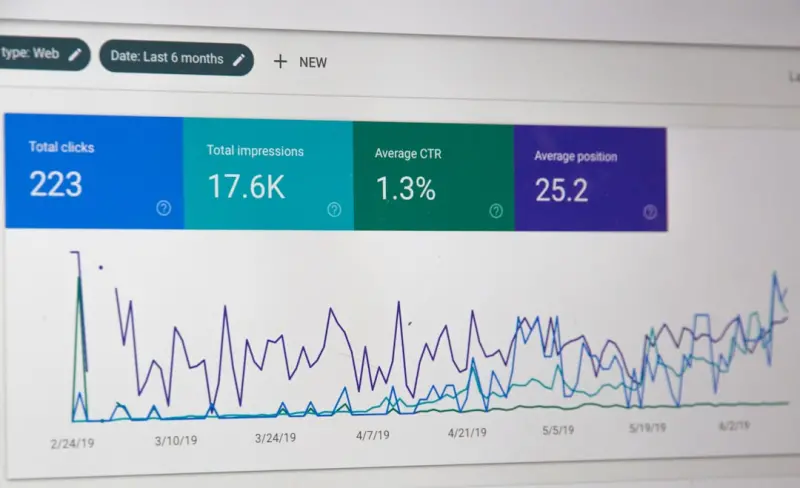
- Rich snippet impressions: In Google Search Console, monitor the “Rich results” report for “Review” and “FAQ” impressions.
- Conversion rate per review source: Tag review‑origin traffic in your analytics to see which reviews (e.g., product page, category page, blog) drive the highest purchases.
Regularly audit these metrics and iterate. If a particular review cluster isn’t pulling traffic, refine the keyword mapping or enhance the schema implementation.
Common Pitfalls and How to Avoid Them
Even the most diligent SEO teams stumble over review optimization. Below are the top three mistakes and quick fixes:
- Duplicate content: If you copy the same review across multiple pages without canonical tags, Google may penalize you. Use
rel="canonical"to point duplicate instances back to the original review page. - Spam or low‑quality reviews: Automated or incentivized fake reviews can trigger a “spam” penalty. Implement moderation workflows and leverage AI‑driven sentiment analysis to flag suspicious content.
- Neglecting negative feedback: Hiding 1‑star reviews looks suspicious. Embrace them—answer the concerns publicly, showcase how you’ve fixed the issue, and turn a negative into a trust signal.
Future‑Proofing Your Review SEO Strategy
Search is evolving toward conversational and visual modalities. Preparing for that shift means:
- Voice search readiness: Phrase your review answers in natural, question‑based language. For example, “Does this jacket keep you warm in sub‑zero temps?” can directly answer voice queries.
- Image SEO for review photos: Encourage customers to upload high‑resolution images and tag them with descriptive
alttext. UseImageObjectschema to enhance discoverability in Google Images. - AI‑augmented summaries: Deploy an LLM to generate concise summary snippets from a pool of reviews, then embed those summaries on category pages for quick scanning by both users and crawlers.
By staying ahead of these trends, you ensure that your review assets remain a sustainable source of organic growth.
Putting It All Together: A 30‑Day Action Plan
To make the concepts tangible, here’s a day‑by‑day checklist you can execute within a month:
- Day 1‑5: Audit current review collection mechanisms and set up automated post‑purchase emails.
- Day 6‑10: Implement
Reviewschema on all product pages; test with Google’s Rich Results Test. - Day 11‑15: Export existing reviews, run a keyword frequency analysis, and map top phrases to product copy.
- Day 16‑20: Create a “Top Review Highlights” widget for category pages and embed a few high‑impact quotes.
- Day 21‑25: Reach out to 5–10 micro‑influencers, provide product samples, and request on‑site reviews.
- Day 26‑30: Set up dashboards in Google Search Console and Google Analytics to monitor the KPIs listed above.
Stick to the plan, and you’ll likely see a measurable boost in organic visibility, richer SERP features, and higher conversion rates—all driven by the voice of your customers.
Final Thoughts
Customer reviews are the most authentic, evergreen content you can host on an eCommerce site. When you treat them as an SEO asset—structuring them for crawlers, mining them for long‑tail language, amplifying them across your site, and coupling them with influencer credibility—you unlock a self‑reinforcing loop of relevance, trust, and traffic. The result? A resilient, data‑backed growth engine that keeps feeding itself, long after the last sale is made.

William Roy is a freelance writer originally from Montreal who moved to Ottawa with his wife of 50 years to be closer to their grandkids. Alongside his writing, William has a passion for fishing.
Related Posts

Cross‑Border eCommerce SEO: Turning Global Traffic into Revenue
Discover a step‑by‑step strategy for taking your eCommerce store worldwide, from hreflang implem... Read More
AI-Powered Product Page Optimization: The New SEO Frontier for eCommerce
Discover a step‑by‑step blueprint for using AI to generate dynamic titles, meta descriptions, an... Read More

Harnessing Structured Data to Supercharge eCommerce SEO
Discover the power of structured data for eCommerce SEO—rich snippets, voice search, and strategic... Read More
Top Posts

Micro‑Influencer Partnerships: Boosting SEO and Brand Authority
Learn why micro‑influencers are the secret weapon for modern digital marketers, and how to turn authentic partnerships into powerful SEO gains....Read More

When the SERP Turns Into a Playground: Adapting to the New Search Layouts
The SERP is no longer just a list of links; it's a dynamic playground of AI answers, product carousels, and video snippets. This post outlines a practical SEO s...Read More

Google Discover SEO: A Hidden Growth Engine for SaaS
Discover how SaaS marketers can turn Google’s AI‑driven feed into a powerful acquisition channel by focusing on entity‑driven topics, compelling visuals, ...Read More

Turning Technical Partnerships into Sustainable Link Assets
Learn how to transform SaaS integrations, co‑branded data reports, and open‑source contributions into high‑quality backlinks that drive traffic and author...Read More
0 Comments
Post Comment
You will need to Login or Register to comment on this post!