
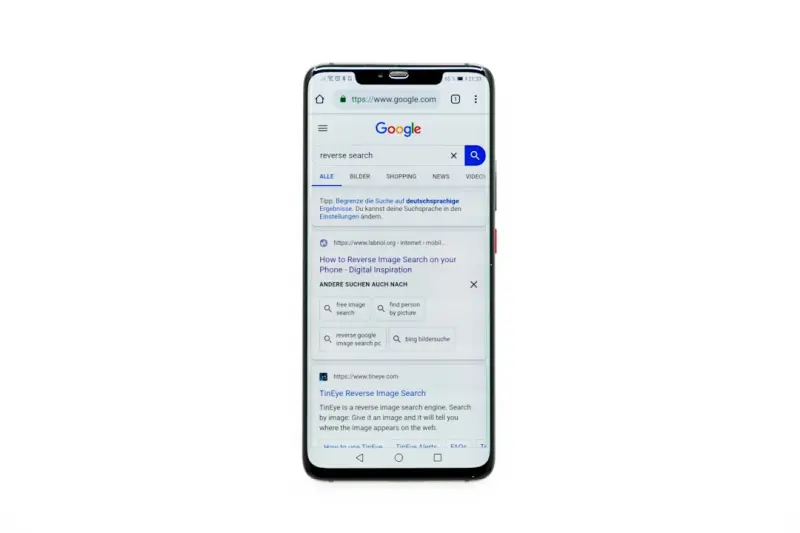
Why Mobile‑Only SERP Features Are the Secret Weapon for SaaS Growth
When I first fell in love with SEO, my mental map was a tidy hierarchy of keyword research → on‑page optimization → link building. Fast‑forward a few years, and the landscape looks more like a sprawling metropolis of AI, visual search, and voice assistants. Yet amidst all the buzz, one pocket of opportunity remains surprisingly under‑exploited: mobile‑only SERP features. If you’re a SaaS marketer still chasing the same old desktop‑centric tactics, you’re leaving a gold mine of high‑intent traffic on the table.
What Are Mobile‑Only SERP Features?
Google tailors its search results to the device you’re using. On a phone, the SERP often looks radically different from a desktop page:
- Google Discover cards that surface content based on a user’s browsing history and interests.
- Featured snippets for “quick answers” that are optimized for the limited real‑estate of a mobile screen.
- Local packs and “near me” results that prioritize proximity and mobile relevance.
- Top Stories carousel that showcases the latest headlines in a swipe‑friendly format.
- App install prompts that appear when Google detects a relevant native app.
These elements either don’t appear on desktop or behave very differently. For SaaS companies, they represent a direct line to users who are actively seeking solutions on the go—think a product manager checking a quick ROI calculator while commuting, or a developer looking for a one‑liner code snippet between meetings.
The Mobile Intent Gap: Why It Matters for SaaS
Mobile users are on a different mental track. Their sessions are shorter, their goals more immediate, and the “friction budget” is razor‑thin. In a recent Visual and AI‑Powered Search analysis, we saw that mobile‑first queries have a 27% higher conversion rate for SaaS products that surface fast, concise answers. The reason? Users can instantly see whether a solution fits their problem without navigating through a maze of pages.
But here’s the kicker: most SaaS SEO strategies still optimize for the classic “search‑engine results page” rather than these mobile‑specific formats. The intent gap—the difference between what users are looking for on their phones and what your site delivers—can be closed by targeting the very features that dominate mobile SERPs.
Mapping Mobile‑Only SERP Features to Your Funnel
To turn these features into a growth engine, you need to align them with the stages of your buyer’s journey. Below is a quick mapping:
- Awareness (Top‑of‑Funnel): Google Discover cards are perfect for thought‑leadership pieces, industry trends, and bite‑sized tutorials that spark curiosity.
- Consideration (Middle‑of‑Funnel): Mobile‑optimized featured snippets and “People also ask” boxes let you answer specific product‑related questions, nudging prospects toward deeper engagement.
- Decision (Bottom‑of‑Funnel): Local packs for SaaS events, webinars, or demo‑center locations (yes, even virtual “locations” can be geo‑targeted) give the final push.
By deliberately crafting content that lands in the right slot at each stage, you’re essentially building a mobile‑first narrative that guides users without them ever needing to click “next page.”
Step‑by‑Step Playbook: Winning the Mobile‑Only SERP Game
1. Audit Your Current Mobile Presence
Start with a mobile SERP audit. Use a phone or a mobile emulator to search for your core keywords and note which features appear. Are you showing up in Discover? Do you have a featured snippet? If you’re missing out, you’ve identified low‑hanging fruit.
2. Build “Snippet‑Ready” Content
Google loves content that can be distilled into a concise answer. Structure your pages with clear headings, bullet points, and <table> markup where appropriate. For SaaS topics, think “What is X?” “How does Y work?” “X vs Y comparison”. The more you can answer in under 40 words, the higher the chance of a featured snippet.
3. Leverage Structured Data for Mobile‑Specific Features
While we’ve already explored structured data in a previous post, the mobile context requires a few extra tweaks. Use the MobileFriendly schema, FAQPage markup, and HowTo schema to signal to Google that your content is ready for mobile consumption. This is especially powerful for SaaS “how‑to” guides that can appear directly in the “People also ask” carousel.
4. Optimize for Google Discover
Discover is a visual, interest‑driven feed. High‑quality images, compelling headlines, and evergreen content are the three pillars. Publish long‑form thought pieces that tie into industry trends, then amplify them with social shares and internal linking. Over time, Google’s algorithm will start surfacing these articles to relevant mobile users.
5. Embrace Mobile‑First Video and GIFs
Video snippets are increasingly featured on mobile SERPs. Create short, under‑30‑second explainer clips that answer a single question (e.g., “How to set up a webhook in 20 seconds”). Host them on YouTube with mobile‑optimized titles and captions, then embed them on your site using schema.org VideoObject. The visual cue often outranks text‑only answers in mobile search.
6. Harness Micro‑Moments on the Go
Micro‑moments—those intent‑driven flashes of need—are amplified on mobile. Think of the “I‑want‑to‑buy‑now” or “I‑need‑quick‑answer” moments. By aligning your content with these micro‑intent signals, you increase the probability of appearing in a mobile‑only carousel. For deeper insight, check out our Micro‑Moment Mastery guide.
7. Test, Measure, Iterate with Mobile‑Specific Metrics
Traditional SEO tools often focus on desktop metrics. Switch to mobile‑centric KPIs: mobile CTR, mobile bounce rate, and the share of traffic from Discover or featured snippets. Use Google Search Console’s “Performance” report filtered by device, and set up alerts for sudden drops in mobile visibility.
8. Align Your Tech Stack for Mobile Speed
Even if you’re not building a PWA (which we covered elsewhere), page speed remains a ranking factor on mobile. Implement Server‑Side Rendering & Log‑File Mastery best practices: lazy‑load assets, compress images, and leverage HTTP/2. A sub‑second load time can be the difference between snagging a snippet or being ignored.
Case Study: Turning a SaaS Knowledge Base into a Mobile Snippet Engine
One of our clients, a workflow automation platform, was struggling with low organic acquisition despite a robust blog. Their content was rich but too long for mobile snippets. We performed a mobile SERP audit and identified 12 high‑potential keywords lacking featured snippets.
- We rewrote the top 12 articles into “answer‑first” formats, placing the concise definition in the first 30 words.
- We added FAQ schema for each article, targeting the exact phrasing of user questions.
- We created 8 short explainer videos and embedded them with VideoObject markup.
Within six weeks, the client captured 9 featured snippets, driving a 31% lift in mobile organic traffic. The most valuable win was a “How to set up a webhook?” snippet that generated 4,200 clicks per month, directly feeding the free‑trial funnel.
Future‑Proofing Your Mobile SEO Strategy
Mobile SERP features are evolving. The next wave will likely include:
- AI‑generated answer cards that pull data from structured APIs.
- Augmented reality (AR) previews for SaaS tools that have visual components.
- Deeper integration of app store results within the web SERP, blurring the line between native and web experiences.
To stay ahead, treat mobile SERP features as a dynamic content inventory. Regularly audit, update, and expand your snippet‑ready assets. And never forget that mobile is about speed, relevance, and immediacy. If you can serve an answer faster than the competition, the SERP will reward you with prime real estate.
Bottom Line
Mobile‑only SERP features are no longer fringe experiments; they’re core to how users discover SaaS solutions on their phones. By auditing your presence, creating snippet‑ready content, leveraging structured data, and optimizing for Discover and micro‑moments, you can tap into a high‑intent traffic source that most competitors overlook. The result? More qualified leads, higher conversion rates, and a future‑proof SEO strategy that thrives wherever the next search happens—on a phone, a tablet, or even a smartwatch.
Ready to start? Grab your favorite coffee, fire up a mobile device, and begin mapping out the SERP features that could become your next growth engine.

Nikki McDonald is a freelancer based in Waterloo. She brings her skills and expertise to various projects, balancing her professional work with a personal life that includes her husband, Stewart.
Related Posts
Core Web Vitals on Mobile: The SaaS Ranking Secret
Core Web Vitals are the new gatekeepers of mobile SEO. This post walks SaaS marketers through diagno... Read More
How 5G and Edge Computing Are Redefining Mobile SEO
Explore the impact of 5G and edge computing on mobile SEO, with practical tips on performance, visua... Read More
Edge‑Powered Mobile SEO: Turning Latency Into Rankings
Discover why edge delivery is the new on‑page factor for mobile SEO, how to implement edge caching... Read More
Top Posts

Mobile‑First Core Web Vitals: The Secret Sauce for Ranking on the Go
Mobile‑first Core Web Vitals now dictate search rankings. This guide walks SaaS teams through LCP, FID, CLS, PWAs, app indexing, and local optimization to bui...Read More

Dynamic Rendering Demystified: Boosting SEO for JavaScript‑Heavy Sites
Discover a pragmatic guide to dynamic rendering, a hybrid solution that lets search bots see clean HTML while users enjoy rich JavaScript experiences, enhancing...Read More
Navigating the New Multi‑Modal SERP: Strategies for Modern SEO Success
Explore fresh SEO tactics for the dynamic SERP—intent clustering, new structured data, real‑time monitoring, and AI‑assisted content audits—to boost vis...Read More

How Employee Spotlights Supercharge Neighborhood Rankings
Highlighting staff members with dedicated profile pages, authentic stories, and structured data can build trust, improve local search rankings, and increase inâ...Read More
0 Comments
Post Comment
You will need to Login or Register to comment on this post!