
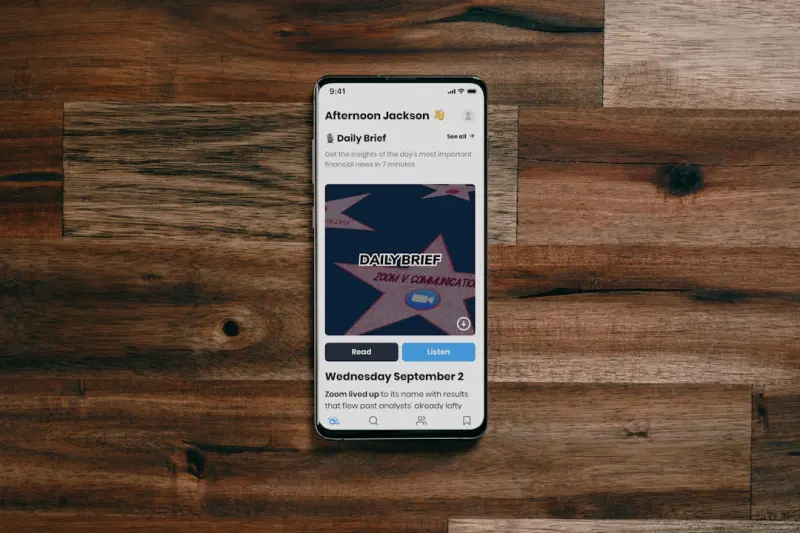
When I first stepped onto a crowded conference floor and watched a line of execs pull out their phones to browse the same SaaS landing page we’d just launched, I realized something: the battlefield for attention has moved from desktop desks to the palms of our hands. Mobile isn’t just another channel; it’s the primary lens through which prospects form first impressions, evaluate credibility, and decide whether to dive deeper into a product.
Understanding Mobile‑First Intent
Mobile users aren’t simply “desktop users on a smaller screen.” Their intent is shaped by context—being on‑the‑go, multitasking, or operating under tight time constraints. This means that the queries they type, the snippets they scan, and the actions they expect are fundamentally different from a traditional desktop search.
For B2B SaaS marketers, the challenge is to translate that intent into a mobile experience that feels purposeful, instant, and trustworthy. It starts with asking three core questions:
- What problem am I solving for a user who’s likely in a hurry?
- Which micro‑moments can I capture to move them forward in the buyer’s journey?
- How can I surface the answer in under three seconds?
Aligning Content with On‑Device Behavior
Long‑form whitepapers and dense feature matrices are staples of SaaS content strategy, but they rarely thrive on a 5‑inch screen. The key is to break those assets into bite‑sized, mobile‑ready pieces without losing the depth that establishes authority.
Consider a tiered approach:
- Micro‑Landing Pages: Create ultra‑focused pages that answer a single question (e.g., “How does API rate limiting work?”). Use concise headings, bullet points, and a clear call‑to‑action (CTA) that leads to a deeper resource.
- Progressive Disclosure: Show the headline, a short intro, and a “Read More” toggle. This respects the limited screen real estate while giving power users a path to the full content.
- Mobile‑Optimized PDFs: If you must offer a downloadable guide, design it for mobile view—large fonts, single‑column layouts, and clickable table‑of‑contents links.
These tactics keep users engaged, reduce bounce rates, and signal to search engines that your site respects mobile user experience.
Technical Foundations: Core Web Vitals on Mobile
Google’s Core Web Vitals—Largest Contentful Paint (LCP), First Input Delay (FID), and Cumulative Layout Shift (CLS)—have become non‑negotiable ranking signals, especially for mobile‑first indexing. While the broader SEO community talks about these metrics in abstract, SaaS marketers need a concrete playbook.
Start with a baseline audit using tools like PageSpeed Insights or Lighthouse. Identify the biggest offenders:
- LCP: Large hero images, uncompressed videos, or slow server response times can push LCP past the 2.5‑second threshold.
- FID: Heavy JavaScript bundles that block the main thread cause frustrating delays when a user taps a CTA.
- CLS: Layout shifts from late‑loading ads or dynamic content can make a mobile user feel the page is unstable.
From there, apply targeted fixes:
- Implement
rel=preloadfor critical assets (fonts, hero images). - Adopt server‑side rendering (SSR) or static site generation for content‑heavy pages to serve HTML instantly.
- Leverage
font-display: swapto prevent invisible text during font loading.
For teams already exploring modern architectures, integrating these optimizations with a Serverless Architecture: Hidden Technical SEO Wins and Pitfalls mindset can accelerate deployment while keeping performance front‑and‑center.
Leveraging Structured Data for Mobile SERPs
Structured data isn’t just for desktop SERP features. On mobile, rich snippets—especially FAQ, How‑To, and Breadcrumb markup—can dramatically increase tap‑through rates because they occupy more vertical space on a cramped screen.
Here’s a quick checklist:
- FAQ Schema: Transform common support queries into instant answers that appear directly on the search results page.
- How‑To Schema: Break down complex SaaS onboarding steps into numbered, digestible instructions that Google can surface as a carousel.
- Product Schema: Include price, availability, and review ratings. Even for enterprise software, these signals convey credibility at a glance.
Remember to validate your markup with Google’s Rich Results Test and monitor for any “Warnings” that could prevent display on mobile results.
Integrating App Store Signals with Mobile SEO
If your SaaS product includes a native iOS or Android app, you have a hidden SEO asset: app store metadata. While many marketers focus solely on the web, Google now blends app store rankings with web SERPs when it detects strong relevance.
To capitalize:
- Optimize App Title & Description: Include target keywords naturally. Treat the description like a meta description—concise, benefit‑focused, and keyword‑rich.
- Encourage High‑Quality Reviews: Positive star ratings and detailed user feedback boost both app store visibility and perceived trustworthiness in Google’s eyes.
- Deep Linking: Use
app://URIs to send mobile users directly from a web SERP to the corresponding screen inside your app. This seamless transition signals to Google that you own a cohesive mobile experience.
When these app signals align with a strong mobile‑first web presence, you create a virtuous loop where Google treats your brand as a comprehensive mobile solution, not just a website.
Measuring Success with Mobile‑Centric Metrics
Traditional SEO KPIs—organic traffic, keyword rankings, and backlinks—remain important, but they don’t tell the whole mobile story. Add these mobile‑specific metrics to your dashboard:
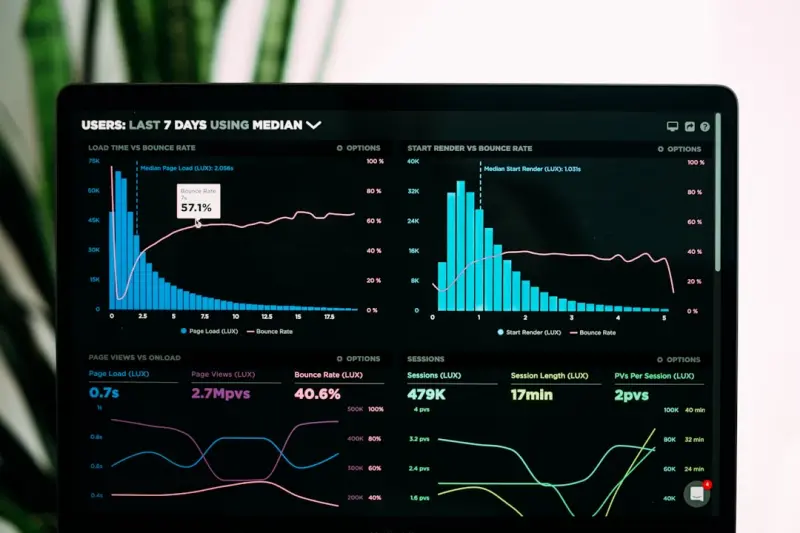
- Mobile Bounce Rate: A high bounce rate on mobile often points to slow load times or poor content relevance.
- Session Duration on Mobile: Longer sessions indicate that users are finding value in the concise, mobile‑tailored content.
- Tap‑Through Rate (TTR) on Rich Snippets: Track how often users click your FAQ or How‑To snippets versus the default result.
- App Install Conversions from SERP: Use UTM parameters on deep links to attribute app installs back to organic mobile searches.
Couple these metrics with heat‑mapping tools that simulate thumb zones to see where users are most likely to tap. Adjust CTA placement accordingly and iterate.
Future‑Proofing Your Mobile SEO Strategy
Mobile search is evolving faster than any other channel. Here are three forward‑looking tactics to keep your SaaS brand ahead of the curve:
- Voice Search Optimization: With the rise of digital assistants, many mobile queries become conversational. Structure content to answer “who, what, when, where, why” questions directly.
- Progressive Web Apps (PWA) Integration: While PWAs have their own SEO considerations, they also provide an app‑like experience that satisfies Google’s mobile‑first indexing. For a deeper dive, see Why Progressive Web Apps Demand a New Technical SEO Playbook.
- AI‑Generated Snippets: Google’s AI summarization tools are starting to pull content from long‑form articles to create concise mobile snippets. Craft clear, summary‑first paragraphs to guide those AI extracts.
By embedding these practices into your roadmap, you’ll ensure that your SaaS brand not only survives the mobile shift but thrives as a trusted, on‑the‑go resource for prospects and customers alike.
In the end, mobile SEO for SaaS isn’t a side project—it’s a strategic imperative. When you align intent, content, technical performance, and app signals, you create a seamless mobile journey that drives qualified leads, reduces friction, and ultimately fuels growth.

Margaret Thomson is a seasoned freelance writer specializing in the dynamic worlds of marketing and advertising. With a career deeply rooted in the marketing field, Margaret brings a wealth of practical experience and insightful knowledge to her writing.
Related Posts
Beyond Speed: Harnessing Structured Data for Mobile SEO Dominance
I reveal a fresh mobile SEO playbook—leveraging structured data, Core Web Vitals, and next‑gen p... Read More

Zero‑Click Mobile SEO: How SaaS Brands Can Own the Spotlight on Search
Zero‑click mobile SEO transforms the search experience into a brand showcase. This guide reveals h... Read More

Mobile SEO Beyond the Basics: A Tactical Playbook
A deep dive into mobile SEO tactics—speed, structured data, PWAs, local signals, and AI—designed... Read More
Top Posts

Unlocking SEO Superpowers with WordPress Custom Post Types
A deep dive into leveraging WordPress custom post types and taxonomies for SEO, with practical steps, tools, and best practices to enhance visibility and rankin...Read More
Turning Support Docs into On-Page SEO Powerhouses
Discover a step‑by‑step framework for turning your SaaS knowledge base into a traffic‑generating, conversion‑focused SEO asset, using semantic HTML, str...Read More

Mastering Crawl Budget: Log Files, Server Tweaks, and Modern Protocols for Technical SEO
Discover a step‑by‑step framework to reclaim wasted crawl budget using log file insights, robots.txt, HTTP/2, and CDN tactics, turning technical SEO into a ...Read More

Zero‑Click SEO: How to Own the Featured Snippet Space
Zero‑click SEO has become a core growth channel for SaaS brands. This guide walks you through identifying answerable queries, structuring content for snippets...Read More
0 Comments
Post Comment
You will need to Login or Register to comment on this post!