

Seeing SEO Through a Human Lens
When I first stepped into the world of Google SEO, I was dazzled by the sheer volume of data points, keyword tools, and algorithm updates that seemed to dominate every conversation. Over time, I realized that the most sustainable success comes not from chasing rankings alone but from genuinely answering the questions real people are asking—what I now call intent-first SEO. This shift from a purely technical mindset to a human‑centric one has transformed my approach, allowing me to craft content that feels conversational, relevant, and, most importantly, useful to the searcher.
Why Intent‑First SEO Is the Missing Piece in Your Strategy
Most marketers still start with a keyword list, hoping that matching exact terms will win the click‑through. The truth, however, is that Google’s AI increasingly evaluates the underlying purpose behind a query, rewarding pages that align with that purpose rather than simply repeating a phrase. By mapping out user journeys—identifying informational, navigational, and transactional intents—you can design content that meets each stage of the funnel, driving not just traffic but meaningful engagement. This strategic nuance is why I often reference Why Intent‑First SEO Is the Missing Piece in Your Strategy when guiding teams toward a more purposeful optimization plan.
The Rise of Intent‑First SEO: How to Rank for Real People
Google’s recent core updates have emphasized “helpful content,” a clear signal that the search engine is rewarding authenticity over keyword stuffing. In practice, this means diving deep into the language users employ, their pain points, and the outcomes they seek—then mirroring that in your copy, headings, and metadata. By treating each page as a conversation starter rather than a landing pad, you naturally attract backlinks, dwell time, and social shares, all of which reinforce the page’s relevance in the eyes of the algorithm. For a detailed walkthrough of this methodology, I recommend checking out The Rise of Intent‑First SEO: How to Rank for Real People, which breaks down the research process step by step.
Crafting Content That Speaks the Searcher’s Language
One of the most powerful tactics I use is to rewrite my target keyword list into natural‑sounding questions and statements that users actually type. This simple shift uncovers long‑tail opportunities that traditional tools often miss, and it also guides the structure of the article—headings become the exact questions, and the body provides concise, actionable answers. By embedding semantic variations and related concepts, you signal to Google that the page comprehensively covers the topic, boosting its chances of appearing in featured snippets and “People also ask” boxes. The result is a richer SERP presence that captures attention faster than any generic title tag could.
Measuring Success Beyond Rankings
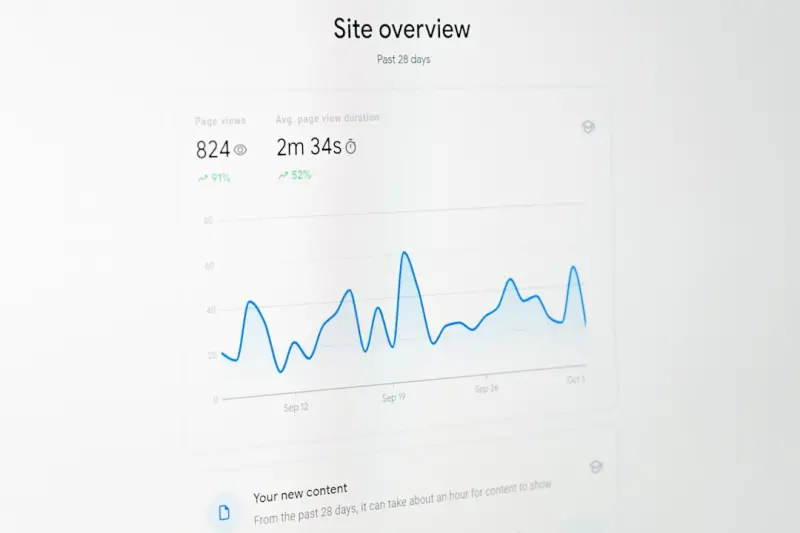
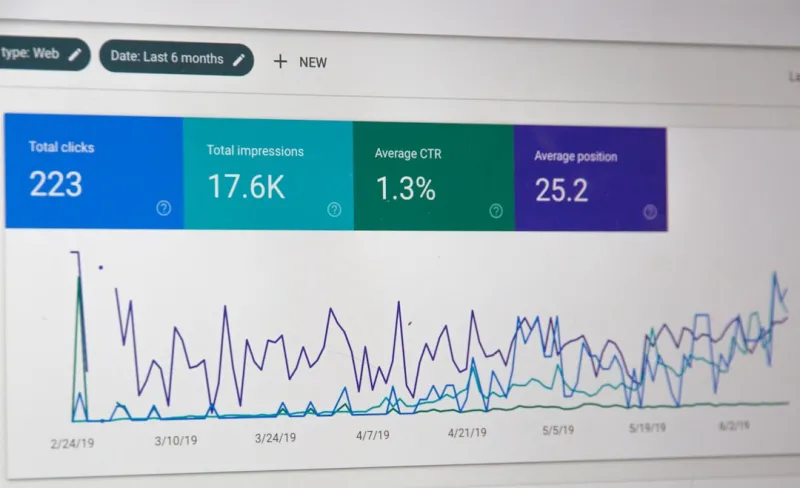
While position 1 remains a coveted milestone, I now track metrics that reflect user satisfaction: dwell time, scroll depth, and conversion pathways. A page that holds a visitor’s interest for several minutes and guides them toward a newsletter sign‑up or product demo is delivering far more value than a fleeting top‑ranking that immediately bounces. Tools like Google Analytics’ “Engagement” reports and Search Console’s “Page Experience” insights give a clearer picture of how well your intent alignment is performing. When these signals rise together, you know your content is truly resonating with the audience.
Link Building the Intent‑First Way
Traditional link building often focuses on quantity—securing as many backlinks as possible from any source. In an intent‑first framework, I prioritize relevance: I seek out sites whose audiences share the same search intent and create collaborative pieces that naturally earn backlinks through genuine value. For example, co‑authoring a guide with a niche industry blog not only earns a high‑quality link but also positions your brand as an authority in that specific intent space. This approach aligns with Google’s emphasis on contextual relevance, making each link a stronger vote for your content’s purpose.
Future‑Proofing Your SEO Playbook
As AI continues to evolve, the distinction between human intent and algorithmic interpretation will blur even further. To stay ahead, I embed a habit of regular intent audits—revisiting top queries every quarter, updating content to match new search trends, and testing different formats like videos or interactive tools that better satisfy the underlying need. This proactive mindset ensures that your SEO strategy remains adaptable, resilient, and always centered on the people behind the searches, rather than the ever‑shifting whims of the algorithm.
Actionable Tips to Implement Today
Ready to make the shift? Start by mapping three core intents for each pillar page, then rewrite your headings to reflect those intents as natural questions. Next, enrich the body with real‑world examples, case studies, and data points that answer those questions thoroughly. Finally, conduct a quick audit of your internal links—ensure they guide users from informational content to transactional opportunities in a logical flow. For a deeper dive into practical steps, I recommend Mastering Intent‑First SEO: Actionable Tips for Modern Marketers, which offers a checklist you can implement this week.
Closing Thoughts: SEO as a Conversation, Not a Competition
In my experience, the most rewarding SEO victories happen when you treat the search engine as a facilitator of conversation rather than a gatekeeper of competition. By aligning every piece of content with the true intent behind a query, you create a seamless experience that satisfies users, pleases Google, and ultimately drives sustainable growth. The journey from keyword obsession to intent mastery is ongoing, but each step brings you closer to a digital presence that feels authentic, helpful, and undeniably human.

When it comes to the world of blogging and writing, Rose DesRochers is a name that stands out. Her passion for creating quality content and connecting with her audience has made her a trusted voice in the industry. Aside from her skills as a writer and blogger, Rose is also known for her compassionate nature.
Related Posts

Turning SaaS Documentation into a Search Engine Magnet
Your SaaS help center holds untapped SEO potential. This guide shows how to audit keywords, apply on... Read More
Going Global: International SEO Blueprint for SaaS Companies
International SEO is essential for SaaS growth. This guide walks you through market prioritization, ... Read More

Surfing the 2024 Google SEO Tide: Rose DesRochers’ Insider Playbook
Rose DesRochers shares her 2024 SEO playbook, blending user intent, AI tools, and authority signals ... Read More
Top Posts
Navigating the 2024 Google SEO Wave: Intent, AI, and Authority from Rose DesRochers
Rose DesRochers reveals how intent, AI, and authority are reshaping Google SEO in 2024, offering a practical playbook to elevate rankings and drive traffic....Read More

Supercharge Your Brand’s Visibility: A Tactical Guide to Facebook Page SEO
Discover a step‑by‑step guide to optimizing your Facebook Page for Google search, from clean URLs and keyword‑rich bios to leveraging reviews and structur...Read More

Turning Product Pages into Revenue‑Driving Search Engines
A practical guide that shows eCommerce merchants how to boost organic sales by treating each product as a micro‑landing page, leveraging schema, user‑genera...Read More

Beyond Clicks: How AI‑Powered Bidding Transforms SEM for SaaS Growth
Learn why AI‑powered bidding, precise attribution, and privacy‑first targeting are essential for SaaS marketers looking to boost paid search ROI and stay ah...Read More
0 Comments
Post Comment
You will need to Login or Register to comment on this post!