

When most SaaS marketers think about growth, the first words that come to mind are “SEO,” “PPC,” or “content.” Those tactics are still vital, but there’s a quiet, under‑the‑radar channel that’s beginning to reshape how we capture attention, nurture leads, and close deals: audio. From podcasts and brand‑crafted playlists to voice‑first ads on smart speakers, audio is evolving from a background medium into a front‑line growth engine. In this post I’ll walk you through why audio deserves a seat at your digital marketing table, how to build an audio‑first strategy without breaking the bank, and the metrics that prove it works.
The Auditory Advantage: Why Humans Tune In
Humans are wired for sound. Neuroscience tells us that the brain processes auditory information 20 times faster than visual cues, and that listening activates emotional centers more deeply than reading. This creates two powerful outcomes for SaaS marketers:
- Higher Retention. Listeners retain up to 65% of spoken information compared to 10% for text.
- Extended Reach. Commutes, workouts, and chores become productive listening windows, expanding your potential touchpoints beyond the screen.
When you combine these cognitive benefits with the growing adoption of podcasts (over 150 million monthly listeners in the U.S. alone) and smart speakers (projected to exceed 200 million devices worldwide), you have a channel that can surface your brand in moments when traditional ads are simply ignored.
Audio vs. Traditional Content: Complement, Not Replace
It’s a mistake to view audio as a replacement for blog posts, webinars, or videos. The most successful campaigns treat audio as a complementary layer that reinforces your core messaging. Think of it as the “soundtrack” to your existing content ecosystem:
- Podcasts amplify thought leadership. A weekly interview series with industry experts can repurpose blog research into conversational gold.
- Brand playlists keep your audience engaged. Curated music aligned with your brand personality can be streamed during product demos or onboarding sessions.
- Voice ads drive micro‑conversions. Short, targeted messages on platforms like Alexa or Google Assistant can prompt listeners to download a free trial with a single voice command.
Each of these audio touchpoints can be linked back to the assets that already drive SEO and inbound traffic, creating a virtuous loop where audio fuels discovery and discovery fuels audio.
Building Your First SaaS Podcast: A Step‑by‑Step Blueprint
Launching a podcast might feel daunting, but you can get off the ground with a modest budget and a clear roadmap. Here’s how I approached my own show, “Growth Signals,” and the lessons that are universally applicable:
- Define a Narrow Niche. Instead of “SaaS marketing,” focus on “Customer acquisition for B2B subscription platforms.” Narrow topics attract dedicated listeners and improve discoverability.
- Leverage Existing Guests. Reach out to customers who have already contributed case studies or webinars. Their familiarity with your brand reduces friction and adds credibility.
- Keep Episodes Bite‑Sized. 20‑minute episodes fit naturally into commute windows. Consistency trumps length; a weekly cadence builds habit.
- Invest in Good Audio. A USB condenser mic (under $100) and a quiet recording space can produce studio‑quality sound. Poor audio drives listeners away faster than any misstep in content.
- Repurpose Every Minute. Transcribe episodes into blog posts, pull quotes for social media, and clip highlights for short‑form video. This cross‑channel synergy amplifies reach without extra creation effort.
When you embed the podcast player on relevant landing pages, you also improve dwell time—an SEO signal that search engines love. For a deeper dive into leveraging content across formats, check out Why a Content Hub Is the Secret Weapon Your SaaS SEO Needs.
Smart‑Speaker Advertising: From Novelty to Necessity
Smart speakers have moved beyond the kitchen; they’re now in conference rooms, hotel lobbies, and even retail spaces. Advertising on these devices follows a simple premise: a voice command triggers an action.
Here’s a quick framework to design an effective voice ad:
- Identify the Intent. What does a listener want at that moment? “Find a project‑management tool” is a clear intent you can capture.
- Craft a Concise Prompt. You have 5‑7 seconds—state the benefit and the CTA. Example: “Ask Alexa to start a free trial of TaskFlow.”
- Use a Call‑to‑Action that Aligns with Voice. “Say ‘Open TaskFlow’ to get started.” Avoid URLs; focus on voice triggers.
- Measure with Voice‑Specific Metrics. Track the number of voice clicks, conversion rate from voice command to trial sign‑up, and cost per acquisition.
Because smart‑speaker ad inventory is still relatively untapped, CPM rates are competitive, and you can test small budgets to gauge performance before scaling.
Integrating Audio Into Your Marketing Automation Stack
Audio shouldn’t exist in a silo; it must be woven into the broader automation ecosystem. Here’s how to stitch it together:
- Trigger Drip Campaigns Based on Listening Behavior. If a prospect downloads a podcast episode on “Onboarding Optimization,” automatically enroll them in a nurture sequence that includes a free onboarding checklist.
- Score Leads Using Audio Engagement. Assign points for podcast downloads, playlist follows, and voice‑ad clicks. Combine these with traditional behavioral scores to prioritize sales outreach.
- Personalize Follow‑Ups. Reference the specific episode they listened to in an email: “I noticed you enjoyed our chat with Jane Doe on churn reduction—here’s a deeper dive.”
For teams that already use AI to surface insights, consider how audio data can enrich that process. A recent piece on AI Search as a Real‑Time Insight Engine for SaaS Teams demonstrates the power of combining machine‑learning with emerging data sources—audio is the next logical addition.
Measuring Audio Success: The KPI Playbook
Without the right metrics, it’s easy to assume audio is just “nice to have.” Here are the core KPIs you should track:
| Metric | Why It Matters |
|---|---|
| Downloads & Subscriptions | Baseline reach and audience growth. |
| Average Listening Time | Indicates content relevance; aim for >70% of episode length. |
| Episode Completion Rate | Shows whether listeners stay to the end—critical for CTA placement. |
| Voice‑Ad Click‑Through Rate (CTR) | Direct measure of ad relevance and creative effectiveness. |
| Conversion Rate (Trial/Signup) | Connects audio engagement to revenue outcomes. |
| Cost per Acquisition (CPA) | Allows comparison with other channels to prove ROI. |
When you layer these audio metrics onto your existing marketing dashboard, patterns emerge. For instance, a spike in podcast downloads often precedes an uptick in organic search traffic, confirming the “audio‑as‑SEO‑booster” hypothesis.
Case Study: Turning a Niche Podcast Into a Lead‑Gen Engine
One of our SaaS clients, a B2B analytics platform, launched a bi‑weekly podcast titled “Data‑Driven Growth.” Within six months, they observed:
- 30% increase in organic traffic to their “case studies” page (driven by podcast episode transcripts).
- 2.5× higher MQL conversion rate for listeners versus non‑listeners.
- A reduction in CAC by 18% thanks to the lower cost of voice‑ad placements compared to display.
The secret? They synchronized each episode with a gated “downloadable resource” that required an email address. The resource was directly referenced in the episode, creating a seamless call‑to‑action that felt natural rather than salesy.
Future‑Proofing: Emerging Audio Trends to Watch
Audio is still in its growth phase, and several trends promise to amplify its impact for SaaS marketers:
- Interactive Voice Experiences. Platforms are experimenting with “choose your own adventure” style voice flows that let listeners explore product features via dialogue.
- Dynamic Audio Ads Powered by AI. Real‑time personalization of voice scripts based on user data will make each ad feel handcrafted.
- Audio‑First Social Communities. Spaces like Clubhouse and Twitter Spaces are evolving into niche networking hubs where SaaS founders can host live Q&A sessions.
Staying ahead means experimenting early. Run a pilot voice‑ad, launch a mini‑series, and watch how your audience reacts. The data you collect now will guide your long‑term audio strategy and keep you ahead of competitors still fixated on text‑only approaches.
Putting It All Together: Your 90‑Day Audio Action Plan
Ready to turn the dial up on audio? Follow this concise roadmap:
- Week 1‑2: Conduct an audience audit to identify listening habits and preferred platforms.
- Week 3‑4: Choose a pilot format (podcast, playlist, or voice ad) and outline a content calendar.
- Week 5‑6: Produce the first three episodes or ad creatives. Test audio quality and gather internal feedback.
- Week 7‑8: Launch on selected platforms, embed audio on relevant website pages, and integrate tracking into your marketing automation.
- Week 9‑12: Analyze KPI data, iterate on content, and expand distribution (e.g., syndicate to third‑party podcast networks or add smart‑speaker placements).
Remember, the goal isn’t to replace your existing channels but to enrich them with a medium that engages the brain in a fundamentally different way. By the end of the 90‑day sprint, you should have a measurable lift in both top‑of‑funnel awareness and bottom‑of‑funnel conversions.
Audio is no longer a “nice‑to‑have” experiment; it’s a strategic lever that can differentiate your SaaS brand in a crowded digital landscape. Embrace the sound, and let your growth story be heard.

Ryan Stuart is a seasoned freelance features writer, editor, and professional photographer with a passion for exploring the world and capturing its beauty through words and images.
Related Posts

Interactive Email Marketing: Turning Inboxes Into Live Experiences
Explore the rise of AMP email, design tips, data‑driven personalization, and future AI trends that... Read More

Privacy‑First Marketing: Thriving in a Cookieless World
Learn to turn privacy constraints into creative opportunities, using first‑party data, contextual ... Read More

Privacy‑First Data Clean Rooms: The New Backbone of B2B Digital Marketing
Data clean rooms let B2B marketers safely combine first‑party data with trusted partners, unlockin... Read More
Top Posts

How to Turn Your Images Into Search Engines' Best Friends
Learn how to optimize file names, alt text, compression, structured data, and internal linking to make your images a powerful SEO asset that drives traffic and ...Read More
Turning WordPress Site Speed into a Ranking Superpower
Learn how to make your WordPress site lightning‑fast, boost rankings, and keep visitors engaged with proven speed‑optimization tactics and continuous monito...Read More

Turning Paid Search into an Account‑Based Engine: A Playbook for B2B SaaS
This post reveals a step‑by‑step AB‑SEM strategy that aligns paid search with account‑based marketing, covering intent‑first keyword mapping, AI perso...Read More
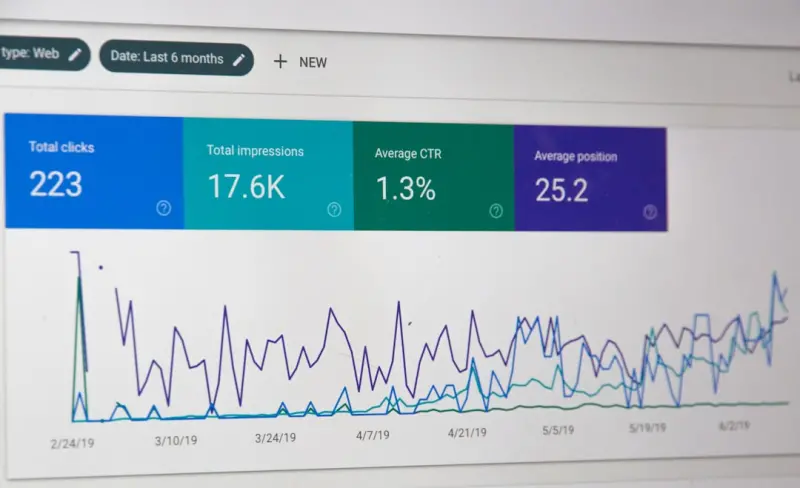
Edge‑Powered Mobile SEO: Turning Latency Into Rankings
Discover why edge delivery is the new on‑page factor for mobile SEO, how to implement edge caching, personalization, and structured data, and see a real‑wor...Read More
0 Comments
Post Comment
You will need to Login or Register to comment on this post!