

When most marketers think “SEO,” their minds instantly jump to Google, Bing, or the occasional niche crawler. Yet the reality for B2B SaaS leaders is that a massive, searchable ecosystem lives right inside the world’s biggest social platform: Facebook. Treating Facebook as a genuine search engine—rather than just an advertising channel—can unlock a steady stream of qualified prospects who are already expressing intent within the platform’s native search bars and graph.
Why Facebook Deserves a Spot on Your SEO Roadmap
Facebook isn’t just a place to post updates; it’s a massive knowledge graph that indexes pages, groups, events, and even user‑generated content. When a prospect types a phrase like “project management software for remote teams” into Facebook’s search field, the algorithm surfaces relevant pages, posts, and community discussions. If your brand’s page, posts, or group appear in those results, you’ve earned a spot in the discovery funnel without spending a cent on paid media.
Three core reasons make Facebook SEO a strategic priority:
- Intent‑rich queries: Users on Facebook are often in a research mindset, seeking recommendations, reviews, or peer experiences. This is a higher‑intent audience compared to casual scrolling.
- Social proof built‑in: Likes, comments, and group memberships act as credibility signals that can influence both Facebook’s internal ranking and external search engines.
- Cross‑platform amplification: Optimized Facebook content can earn backlinks, brand mentions, and referral traffic to your SaaS site, feeding into broader SEO efforts.
Decoding the Facebook Graph Search Mechanics
Facebook’s search engine is powered by its “graph” – a network of entities (people, pages, groups, events) and the relationships between them. When a query is entered, the graph evaluates relevance based on:
- Entity type relevance: Pages rank higher for brand‑related searches, while groups dominate community‑centric queries.
- Content freshness: Recent posts or updates can surface higher, especially when the query includes time‑sensitive language.
- Engagement signals: Likes, comments, shares, and reactions serve as implicit endorsements that boost visibility.
Understanding these signals lets you shape the elements you control—page metadata, post cadence, and community participation—to align with the algorithm’s preferences.
Optimizing Your Page Name and URL for Maximum Discoverability
The first thing Facebook evaluates is the page name and its vanity URL. Here’s a step‑by‑step checklist:
- Include primary keywords: If “workflow automation” is a core offering, embed it naturally—e.g., “Workflow Automation Hub – Acme SaaS”.
- Keep it readable: Avoid keyword stuffing that looks spammy; clarity trumps density.
- Secure a clean URL: After you set your page name, claim a custom URL (e.g., facebook.com/AcmeAutomation). Short, keyword‑rich URLs improve both Facebook search relevance and external linkability.
- Align with your domain: Matching your Facebook URL to your primary website domain (or a close variant) reinforces brand consistency, which can echo in Google’s SERPs.
Crafting an Authority‑Rich “About” Section
The “About” tab is the heart of on‑page SEO for Facebook. Treat it like a micro‑landing page:
- Lead with a concise tagline: Summarize your value proposition in 150 characters, sprinkling a primary keyword.
- Use structured bullet points: List key features, integrations, and use cases. This mirrors the benefits of schema‑driven SEO on your website, providing a clear, machine‑readable hierarchy.
- Include a call‑to‑action URL: Direct visitors to a landing page optimized for the same keyword phrase.
- Leverage the “Additional Information” fields: Populate categories, business hours (if applicable), and location data. Even for a global SaaS, selecting “Online” as the location signals relevance for digital‑first searches.
Strategic Use of Posts, Hashtags, and Pinning
Organic posts are the lifeblood of Facebook discoverability. To make them work for SEO:
- Front‑load keywords: Place the target phrase within the first 40 characters of the post copy.
- Incorporate relevant hashtags: Facebook now treats hashtags as searchable tags. Use 2‑3 specific tags per post, such as #workflowAutomation, #SaaSIntegration, and #RemoteWorkTech.
- Leverage rich media: Videos and carousel posts generate higher dwell time, a key engagement metric.
- Pin high‑value posts: Pin a post that directly answers a common prospect question—this becomes the default content that appears when users land on your page via search.
Remember to monitor post performance; high‑engagement content signals to the graph that your page is an authority on the topic.
Leveraging Facebook Groups for Brand Authority
Groups are the hidden gem of Facebook SEO. While many brands focus solely on their page, owning or actively participating in niche groups can dramatically amplify discoverability.
- Create a purpose‑driven group: Name it around a problem statement, e.g., “Remote Project Management Best Practices”.
- Encourage user‑generated content: Prompt members to share challenges, solutions, and success stories. This crowdsourced content fuels fresh, keyword‑rich discussions.
- Moderate with expertise: Position your product team as thought leaders by answering questions, linking to relevant resources, and subtly showcasing use cases.
- Cross‑link to your page: Pin a post in the group that directs members to your main page or a specific landing page, reinforcing the brand signal.
Groups also generate inbound backlinks when members reference them in blog posts or forums, indirectly bolstering your broader SEO profile.
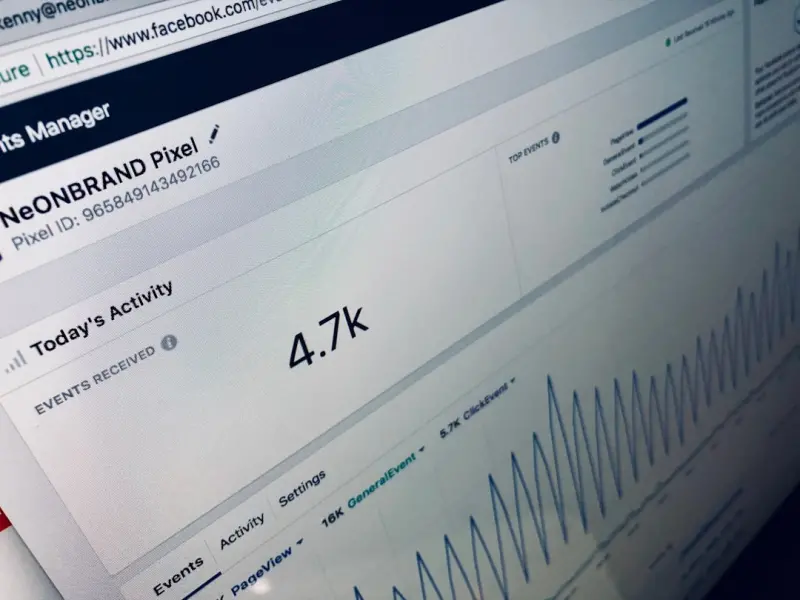
Integrating Facebook Pixel Data for SEO Insights
While the Facebook Pixel is traditionally a paid‑media tool, its data can be repurposed to inform organic strategies:
- Identify high‑value content: Track which organic posts lead to website conversions (e.g., sign‑ups). Double down on similar topics and formats.
- Map audience segments: Use pixel data to discover demographic or interest clusters that consistently engage with your content. Tailor future posts to these segments, increasing relevance and engagement.
- Close the loop with SEO dashboards: Feed pixel‑derived conversion metrics into your SEO reporting to illustrate the direct impact of Facebook SEO on lead generation.
Measuring Success: Metrics That Matter
Unlike traditional SEO, Facebook’s analytics are housed within Page Insights. Focus on these key performance indicators (KPIs):
- Search Impressions: The number of times your page appears in Facebook search results.
- Click‑Through Rate (CTR): Percentage of impressions that lead to a page visit.
- Engagement Rate: Likes, comments, shares, and reactions per post—a direct proxy for the relevance signals discussed earlier.
- Referral Traffic: Sessions to your SaaS site originating from Facebook, measurable in Google Analytics under “Referral” source.
- Conversion Path Attribution: Use UTM parameters on links within posts to trace which Facebook actions culminate in trial sign‑ups or demos.
When you notice a spike in any metric, drill down to the specific post or group activity that drove it. Replicate that success pattern across other keywords and content pillars.
Future‑Proofing Your Facebook SEO Strategy
Facebook’s algorithm evolves, but the fundamentals of relevance, authority, and engagement remain constant. To stay ahead:
- Embrace emerging formats: Facebook Reels and Live broadcasts are gaining priority in search results. Repurpose product demos into short, captioned reels.
- Stay compliant with privacy changes: As data regulations tighten, ensure your pixel and data collection practices align with platform policies to avoid signal loss.
- Integrate with other social platforms: Cross‑post optimized content to Instagram (which shares the same graph) to multiply visibility without additional effort.
- Continuously audit your page: Quarterly reviews of name, URL, and About section ensure you’re aligned with evolving keyword trends and product positioning.
By treating Facebook as a legitimate search engine and systematically optimizing each touchpoint, you’ll capture high‑intent prospects who might otherwise slip through the cracks of traditional SEO funnels.
Putting It All Together: A 30‑Day Action Plan
To translate strategy into results, follow this concise roadmap:
- Day 1‑5: Audit your page name, URL, and About section. Inject primary keywords and claim a clean vanity URL.
- Day 6‑10: Draft a series of pillar posts (3‑5) targeting core SaaS pain points. Include hashtags, embed a CTA, and schedule them for optimal posting times.
- Day 11‑15: Launch a niche Facebook Group. Publish an introductory guide that links back to your page’s pinned post.
- Day 16‑20: Install or audit your Facebook Pixel. Set up custom events for link clicks, form submissions, and demo requests.
- Day 21‑25: Monitor Page Insights. Identify the top‑performing post and replicate its format for additional keywords.
- Day 26‑30: Review referral traffic in Google Analytics. Apply UTM parameters to new posts, and measure conversion lift.
Iterate this loop monthly, and you’ll see a measurable uptick in both Facebook visibility and inbound SaaS leads.
In the era of omnichannel discovery, ignoring Facebook’s search capabilities is a missed opportunity. Treat it with the same rigor you apply to Google, and you’ll turn a social platform into a silent, high‑value acquisition channel.

Steven McClurry is a freelance writer. He loves to write controversial topics and on a wide rang of topics. When is not online he is hanging out at his college campus or playing online games.
Related Posts

Uncovering Facebook’s Hidden SEO Engine: From Pages to Reels
Discover practical strategies to optimize your Facebook Page, posts, Reels, and Groups for Google se... Read More
Facebook Groups: The Untapped SEO Engine for SaaS Brands
Learn why Facebook Groups are the hidden SEO powerhouse for SaaS, with a step‑by‑step framework ... Read More

Unlocking Facebook’s Search Engine: A Playbook for Brands
Discover a comprehensive guide to mastering Facebook SEO—optimizing your Page, leveraging the Grap... Read More
Top Posts

Mobile SEO Secrets Every SaaS Team Should Know
A deep dive into mobile SEO for SaaS, covering thumb‑friendly design, accessibility, micro‑moments, onboarding as content, and future‑proofing for voice a...Read More

How to Capture Knowledge Panels and Featured Snippets for Maximum SEO Impact
Discover how to earn Knowledge Panels and Featured Snippets, using schema, answer‑first content, and strategic linking to dominate SERP real estate and grow a...Read More

Future‑Proof SEO for Voice‑First Audiences
Learn how to adapt your SEO strategy for voice‑first users with conversational keyword mapping, local optimization, and new metrics that ensure lasting visibi...Read More
AI‑Driven Search Summaries: A New Playbook for SaaS Visibility
Generative AI is redefining how users find SaaS solutions. This post explores AI‑powered search overlays, prompt‑focused content strategies, trust signals, ...Read More
0 Comments
Post Comment
You will need to Login or Register to comment on this post!