

Why Facebook’s Social Graph Is the Missing Piece in Your SEO Puzzle
When most marketers think about search, the first thing that comes to mind is Google. Yet Facebook has quietly become the world’s second‑largest search engine, handling billions of queries each day. If you’re a SaaS marketer who still treats Facebook purely as an ad platform, you’re leaving massive organic value on the table.
The Rise of Social Search on Facebook
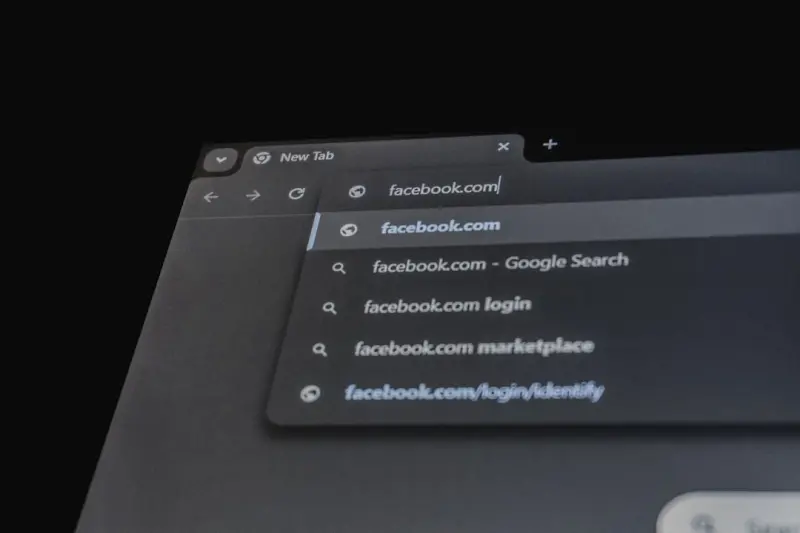
Facebook’s internal search bar isn’t just a place to find friends—it’s a powerful discovery tool for products, services, and even industry insights. Users type in queries like “best project management tool for remote teams” or “CRM alternatives to Salesforce” and receive results that blend pages, groups, events, and marketplace listings. This blend of content types means that every piece of your brand’s presence on Facebook can surface in response to a search intent.
What makes this social search engine unique?
- Social signals: Likes, comments, and shares act as real‑time relevance votes.
- Contextual relevance: Facebook knows the user’s network, interests, and past behavior, delivering highly personalized results.
- Content diversity: Posts, videos, live streams, and group discussions all compete for visibility.
Three Pillars to Dominate Facebook Search
To turn Facebook’s social graph into an SEO engine, focus on these three pillars: authority, relevance, and freshness. They mirror Google’s ranking factors, but the tactics differ because of the platform’s social nature.
1. Build Authority with Page Optimization
Just like a website, your Facebook Page needs a solid foundation. Start with a clear, keyword‑rich name (without keyword stuffing) and a compelling About section that mirrors the language your target audience uses when they search.
Don’t overlook the username (the @handle). A concise handle that reflects your brand helps users find you directly via URL or search. Include primary and secondary keywords naturally in the description and services fields.
Next, populate the CTA button with an action that aligns with your funnel stage—“Sign Up,” “Book Demo,” or “Learn More.” When users click through, the signal tells Facebook that your page is a destination for conversion‑oriented queries.
2. Boost Relevance Through Group Participation
Groups are the heart of Facebook’s social search. They’re where niche conversations happen, and they rank highly for specific queries. Here’s how to leverage them:
- Identify high‑engagement groups in your vertical. Look for membership numbers, post frequency, and moderator activity.
- Become a contributor, not a salesperson. Share insights, answer questions, and reference your product only when it genuinely solves a problem.
- Pin valuable resources. Upload case studies, how‑to guides, or short videos that address common pain points. These assets can rank in group search results, driving organic traffic to your page.
When you consistently provide value, Facebook’s algorithm treats you as an authority, boosting the visibility of any future posts you publish on your Page or in the group.
3. Keep Content Fresh with Video and Live Streams
Facebook prioritizes native video and live content in its feed and search results. A regular cadence of short, educational videos—think “3‑Minute SaaS Tips”—signals freshness and relevance. Live streams, especially Q&A sessions, generate spikes in engagement that can catapult your page into the top search results for related queries.
Tip: Repurpose existing webinars or product demos into bite‑sized clips, add subtitles, and include a clear call‑to‑action at the end. The more you can embed a keyword‑focused title and description, the stronger the SEO signal.
Integrating Facebook SEO Into Your Larger Content Strategy
Facebook shouldn’t exist in a silo. Align it with your broader content ecosystem to multiply impact.
Cross‑Promote Pillar Content
When you publish a comprehensive guide on your blog, create a Facebook post that highlights a key takeaway and includes a link back to the full article. Use an engaging visual or a short video teaser to increase click‑through rates. This practice not only drives traffic but also signals to Facebook that your page is a hub for authoritative content.
For deeper integration, check out how actionable entities can boost your SaaS SEO. By structuring data on your site, you make it easier for Facebook’s crawlers to understand the context of your linked assets.
Leverage a Content Hub for Social Distribution
A well‑organized content hub consolidates all your SEO‑driven assets—blogs, whitepapers, podcasts—into a single destination. When you share hub pages on Facebook, each piece benefits from the hub’s internal linking structure, improving the chance that individual assets surface in search results.
Read more about building a hub in why a content hub is essential for SaaS SEO. The hub model also simplifies the creation of evergreen posts that you can recycle on Facebook for ongoing relevance.
Measuring Success: The Metrics That Matter
Traditional SEO metrics like organic traffic and keyword rankings still apply, but Facebook adds its own layer of insight.
- Search Impressions: In the Facebook Page Insights dashboard, the “Search” tab shows how often your page appears in search results.
- Click‑through Rate (CTR): Track the proportion of search impressions that convert to profile visits or link clicks.
- Engagement Ratio: Likes, comments, and shares per post indicate relevance to the query that surfaced the content.
- Lead Attribution: Use UTM parameters on links shared from Facebook to attribute leads back to social search.
Set benchmarks for each metric and monitor week‑over‑week trends. A steady rise in search impressions coupled with higher engagement typically predicts a boost in referral traffic.
Common Pitfalls and How to Avoid Them
Even seasoned marketers can stumble when adapting traditional SEO tactics to Facebook. Here are three common mistakes and quick fixes.
Pitfall #1: Ignoring the Algorithm’s Preference for Native Content
Sharing a link to an external blog post without an accompanying native status update reduces reach. Instead, publish a native post that teases the article, then add the link in the first comment.
Pitfall #2: Over‑Optimizing Page Name with Keywords
While it’s tempting to cram keywords into your page name, Facebook’s policies may flag or demote over‑optimized titles. Aim for a natural, brand‑first approach and place additional keywords in the description.
Pitfall #3: Neglecting Community Management
Posts that receive no response quickly lose visibility. Assign a community manager to reply to comments within the first hour—this boosts the post’s relevance score and improves its chances of ranking for related searches.
Future Outlook: Facebook Search Will Get Smarter
Facebook is investing heavily in AI‑driven search enhancements. Expect deeper integration of natural language processing, which will allow users to ask conversational questions and receive nuanced answers from pages, groups, and even bots. Preparing now—by building authority, relevance, and fresh content—positions your SaaS brand to ride the next wave of social search.
In practice, that means:
- Continuously updating your Page’s description with emerging industry terms.
- Hosting regular live Q&A sessions that address new pain points as they arise.
- Curating a repository of evergreen group posts that can be resurfaced by the algorithm.
By treating Facebook as a search engine rather than an advertising outlet, you unlock a sustainable, low‑cost channel for discovery that complements your paid media spend.
Action Plan: 30‑Day Facebook SEO Sprint
Ready to get started? Follow this simple 30‑day sprint.
- Day 1‑5: Audit your Facebook Page. Optimize the name, username, and About section with target keywords.
- Day 6‑10: Identify three high‑engagement groups in your niche. Join and begin contributing value‑first content.
- Day 11‑15: Produce two short video clips (2‑3 minutes) that answer common industry questions. Schedule them for live streaming.
- Day 16‑20: Publish a pillar blog post and share it on your Page with a native teaser. Add the link to the first comment.
- Day 21‑25: Implement UTM tracking on all Facebook links. Monitor Search Impressions and CTR in Insights.
- Day 26‑30: Review metrics, refine keywords in the Page description, and plan the next round of group engagement.
Repeat the cycle, gradually expanding your group network and video library. Over time, you’ll see a measurable lift in organic discovery from Facebook’s search engine.
Conclusion: Turn Social Signals Into Search Power
Facebook’s social graph is more than a network of friends—it’s an evolving search ecosystem that rewards relevance, authority, and freshness. By optimizing your Page, participating strategically in groups, and delivering consistent native video content, you convert social interactions into tangible SEO value. Pair these tactics with a robust content hub and structured data on your website, and you’ll create a feedback loop where Facebook search fuels website traffic, and website authority reinforces Facebook visibility. The result? A sustainable, dual‑channel discovery engine that scales with your SaaS growth.

Steven McClurry is a freelance writer. He loves to write controversial topics and on a wide rang of topics. When is not online he is hanging out at his college campus or playing online games.
Related Posts

How Facebook Groups Can Supercharge Your SEO Strategy
Learn why Facebook Groups are a hidden SEO goldmine, how to find the right communities, and tactics ... Read More
Hidden SEO Levers Inside Facebook Business Pages
Learn to treat your Facebook Business Page as an SEO powerhouse. This guide covers structured data, ... Read More

Unlock Facebook SEO: Turn Your Page into a Search Engine
This guide reveals a step‑by‑step blueprint for optimizing your Facebook Page for internal searc... Read More
Top Posts

Augmented Reality Search Optimization: How to Future‑Proof Your Rankings
Learn practical steps to make your AR pages rank—schema, speed, engagement metrics, and a future‑ready checklist for visual search success....Read More

Rethinking Search Intent: From Keywords to Behavior Signals
Explore the shift from simple queries to rich behavior signals, and learn actionable steps to align your SEO with the evolving intent landscape....Read More
Hyper‑Local SEO: Turning Geographic Intent Into SaaS Growth
Discover a step‑by‑step strategy for SaaS brands to harness hyper‑local SEO, turning geographic intent into higher visibility, more qualified leads, and r...Read More

SEO News: Rose DesRochers Breaks Down 2024’s Biggest Algorithm Shifts
Rose DesRochers shares insider insights on 2024’s SEO upheaval, from AI‑driven content to Core Web Vitals, offering actionable tactics for marketers to domi...Read More
0 Comments
Post Comment
You will need to Login or Register to comment on this post!