

Why User‑Generated Content Is the Untapped SEO Engine for eCommerce
When I first launched my own online store, the most powerful traffic driver I discovered wasn’t a fancy algorithm tweak or a paid ad burst—it was the authentic voices of my customers echoing through product pages. User‑generated content (UGC) like reviews, photos, and Q&A snippets inject fresh, keyword‑rich text that search engines love, while simultaneously building trust with shoppers. Unlike static manufacturer copy, each piece of UGC is a unique, naturally occurring signal that tells Google and other crawlers that your product is actively discussed and relevant. The volume alone can dwarf the words you write in your product descriptions, creating a dense semantic field that improves topical authority. Moreover, because these contributions are tied to real purchase experiences, they align perfectly with search intent, turning casual browsers into confident buyers. In my experience, harnessing this organic content not only lifts rankings but also reduces bounce rates, as visitors find the social proof they crave right where they search for it.
Technical Foundations: Structuring Reviews and Media for Maximum Impact
Before you can reap the SEO benefits, you need to lay a solid technical foundation that makes every review and photo discoverable by crawlers. Implementing strategic internal linking is essential; each review should link back to the parent product and relevant category pages, creating a web of relevance that search engines can easily follow. Use the appropriate schema markup—specifically Product with nested Review and ImageObject types—to signal the exact nature of the content. This structured data not only helps Google surface your reviews in rich snippets but also feeds voice assistants with concise answers. Remember to keep the markup clean and consistent; duplicate or malformed schema can trigger warnings in Google Search Console, negating the effort you’ve put into gathering UGC. By treating reviews as first‑class SEO assets, you transform a simple feedback loop into a powerful indexing engine.
Strategic Amplification: Turning Reviews into Ranking Boosters
Collecting reviews is only half the battle; you must actively amplify them across your site. I’ve found that integrating a “Top 5 Customer Photos” carousel directly on product pages not only engages shoppers but also adds image alt text that targets long‑tail keywords. Each image should be accompanied by a concise, keyword‑optimized caption—think “organic cotton tee in sunrise orange, as worn by real customers.” Pair this with a search‑intent‑focused content architecture that groups similar reviews under thematic headings like “Fit & Comfort” or “Durability Insights.” This hierarchy mirrors how users phrase their queries, allowing search engines to match specific sections of your page to distinct intents. Additionally, embed a moderated Q&A widget where shoppers can ask and answer product‑specific questions; these snippets often rank in the “People also ask” box, pulling in extra organic traffic. The key is to keep the flow natural—over‑optimization can feel spammy, but genuine, well‑structured UGC resonates both with users and algorithms.
Encouraging High‑Quality Contributions Without Feeling Pushy
One of the biggest challenges I faced early on was getting customers to leave detailed feedback beyond a simple star rating. The solution lies in timing and incentives that respect the buyer’s journey. Send a personalized follow‑up email 48 hours after delivery, thanking the purchaser and inviting them to share a photo or story, offering a modest discount on their next order as a token of appreciation. Make the submission process frictionless: embed a one‑click upload button and pre‑fill fields where possible, allowing shoppers to focus on the narrative rather than the form. Highlight the most helpful reviews on your homepage or social channels, showing contributors that their voices matter. This social proof loop encourages more participation, creating a virtuous cycle of content generation that continuously fuels your SEO engine. By positioning the request as a chance to help fellow shoppers, you tap into the innate desire to be part of a community, rather than feeling like a marketing ploy.
Leveraging Customer Media: Photos, Videos, and the Power of Visual SEO
Visual content is a silent SEO powerhouse that many eCommerce brands overlook. When customers upload photos or short videos, you acquire high‑quality assets that are already optimized for relevance, because they depict real‑world usage. Ensure each media file has a descriptive filename—such as john‑smith‑blue‑running‑shoes‑outdoor‑run.jpg—and an alt attribute packed with contextual keywords. This practice boosts image search visibility and can drive traffic from platforms like Google Images, where shoppers often browse before purchasing. Additionally, embed these visuals within figure elements and pair them with figcaption tags that summarize the user’s experience, further enriching the page’s semantic content. For video, host the files on a fast CDN, provide a transcript, and add VideoObject schema. These steps not only improve load times—critical for mobile SEO—but also signal to crawlers that your page offers diverse, engaging media, enhancing its overall ranking potential.
Internal Linking Strategies That Multiply the Value of UGC
Every piece of UGC is a hidden node of link equity waiting to be activated. By linking review excerpts to related blog posts, size guides, or complementary products, you create a network of relevance that amplifies authority across the site. For example, a review praising the “breathability of a summer dress” can link to a style guide on “Choosing the Right Fabric for Hot Weather.” This not only helps users discover related content but also distributes PageRank to pages that may otherwise sit in isolation. I recommend a quarterly audit where you map high‑performing reviews to under‑optimized pages, using a simple excel matrix to track anchor text, target URLs, and traffic impact. The result is a dynamic internal linking ecosystem where UGC serves as both content and conduit, strengthening the overall SEO architecture of your eCommerce platform.
Measuring Success: Metrics That Reveal the Real ROI of UGC SEO
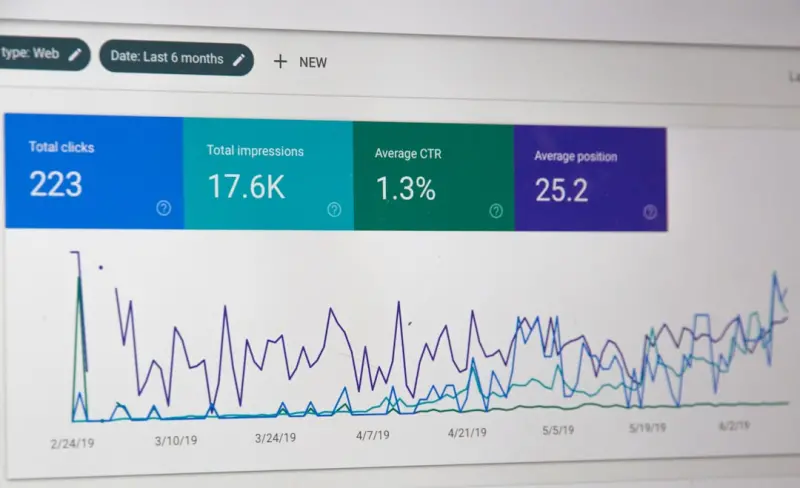
Data‑driven decisions are the lifeblood of any SEO strategy, and UGC is no exception. Track organic impressions and click‑through rates for pages with rich review markup versus those without, using Google Search Console’s performance report. Look for uplift in “average position” for long‑tail queries that mirror review language—phrases like “does this shirt shrink after wash?” often surface in review content. Additionally, monitor referral traffic from image search, as well as the time‑on‑page for sessions that interact with the photo carousel or Q&A widget. A notable increase in conversion rate on product pages with abundant UGC is a strong indicator that the content is resonating with shoppers. By establishing a baseline and measuring incremental gains after each UGC campaign, you can quantify the SEO ROI and justify continued investment in review acquisition programs.
Common Pitfalls and How to Dodge Them
Even the most enthusiastic marketers can stumble when scaling UGC, so it’s vital to be aware of common missteps. First, avoid duplicate content by ensuring each review is unique; filter out near‑identical submissions that could trigger thin‑content penalties. Second, don’t let negative reviews disappear; they add authenticity and can improve click‑through rates, as users appreciate transparency. Third, steer clear of over‑optimizing anchor text; natural language beats exact‑match keywords in the long run. Fourth, keep an eye on spam—implement a moderation workflow that balances speed with quality control to prevent malicious links from slipping through. Finally, remember that search engines value freshness, so regularly surface new reviews and rotate featured media to keep the page dynamic. By proactively addressing these issues, you safeguard your SEO gains while maintaining a trustworthy shopping experience.
Future Outlook: UGC as the Core of Sustainable eCommerce SEO
Looking ahead, the synergy between user‑generated content and emerging search technologies will only deepen. As voice assistants become the primary gateway for product discovery, the conversational snippets found in reviews will serve as the natural language answers that these devices pull from. Moreover, the rise of AI‑generated summary tools means that well‑structured review data can be automatically transformed into rich, concise descriptions that feed both search snippets and on‑site content hubs. By positioning UGC at the heart of your SEO strategy today, you build a resilient foundation that adapts to algorithmic shifts without requiring constant overhaul. In my own practice, I’ve seen brands that treat reviews as a strategic asset outperform competitors in both organic visibility and customer loyalty. Embrace the authentic voices of your shoppers, and let them propel your eCommerce store to the top of the SERPs for years to come.

Jim Pearse, a seasoned freelance writer, brings a wealth of knowledge and passion to the world of home and garden. From the intricacies of landscaping to the nuances of interior design, Jim delves into every aspect of creating comfortable, beautiful, and functional living spaces.
Related Posts

Turning Product Videos into SEO Powerhouses for eCommerce
Product videos are more than eye‑catching content—they’re a potent SEO tool. This guide shows ... Read More

The Secret Power of Buying Guides in eCommerce SEO
Learn why buying guides are the hidden engine for eCommerce SEO success, and how to create guide clu... Read More
Customer Reviews: The Hidden SEO Engine Every eCommerce Site Needs
Learn how to capture, structure, and amplify customer reviews to fuel eCommerce SEO, from schema mar... Read More
Top Posts

From Success Stories to Authority Links: A Fresh Blueprint for SaaS Link Building
Discover a new link‑building approach that leverages customer success narratives, turning real‑world results into authoritative backlinks that drive traffic...Read More

Neighborhood‑First SEO: Turning Local Communities into Ranking Power for SaaS
A neighborhood‑first SEO strategy goes beyond listings, weaving SaaS solutions into the daily fabric of local communities through pulse listening, structured ...Read More

From Brick to Click: How SaaS Companies Can Turn Their Office Locations into Local SEO Powerhouses
Learn a step‑by‑step strategy to transform your SaaS office footprints into hyper‑local SEO assets—optimizing Google Business Profiles, creating geo‑s...Read More

Voice Search Optimization: Building an SEO Strategy for Conversational Queries
Learn the essential steps to dominate voice search, from structuring conversational content and adding schema to measuring performance and future‑proofing you...Read More
0 Comments
Post Comment
You will need to Login or Register to comment on this post!