

Seeing is Believing: How Visual Search Is Redefining eCommerce SEO
When I first heard the term “visual search,” I imagined a sci‑fi scene where shoppers snap a photo and instantly summon the exact product they’re after. Fast forward a few months, and that fantasy is now a daily reality on platforms like Google Lens, Pinterest Lens, and even Instagram’s shopping tags. As someone who’s spent years juggling product feeds, keyword research, and conversion‑rate optimization, I can tell you: if your images aren’t optimized for visual search, you’re leaving a massive revenue stream on the table.
Why Visual Search Isn’t Just a Fancy Add‑On
Traditional text‑based SEO still dominates, but visual search is quickly climbing the SERP ladder. Here’s why it matters for eCommerce:
- Higher Purchase Intent: A shopper who can locate an item by image often knows exactly what they want, bypassing the ambiguous “I’m just looking” stage.
- Mobile‑First Behavior: Mobile users are increasingly using their cameras to discover products on the go. Google reports that over 70 % of visual searches happen on mobile devices.
- Reduced Language Barriers: Images cut through linguistic nuances, making it easier for international audiences to find what they need.
In short, visual search is a new SEO frontier where image relevance equals search relevance. Ignoring it means handing your competitors a clear advantage.
Getting the Basics Right: Image Fundamentals
Before we dive into advanced tactics, let’s make sure the foundations are solid. Treat every product image like a mini‑landing page.
1. File Names Matter
Rename each file to describe the product in plain language, separating words with hyphens. Instead of IMG_1234.jpg, use organic-cotton-white-t‑shirt‑women.jpg. This gives crawlers a clear signal about the image’s subject.
2. Alt Text is Not Optional
Alt attributes serve two purposes: accessibility for screen readers and a textual hint for search engines. Write concise, descriptive alt text that includes your primary keyword but avoids keyword stuffing. Example: alt="women’s organic cotton white t‑shirt – breathable, tag‑less".
3. Choose the Right Format & Compression
WebP and AVIF provide superior compression without sacrificing quality, which is crucial for page‑load speed—a ranking factor for both text and image search. Use tools like ImageOptim or Squoosh to compress files to under 150 KB whenever possible.
4. Implement Structured Data
Google loves structured data, and it’s the bridge between your product page and visual search results. Use the Product schema to mark up price, availability, and review rating. For a deeper dive on how structured data can boost rankings, check out structured data best practices.
Beyond the Basics: Advanced Visual SEO Strategies
Now that the groundwork is covered, let’s explore tactics that turn good images into powerful traffic magnets.
1. Leverage Image Sitemaps
While Google can discover images embedded in HTML, an image sitemap accelerates indexing and gives you granular control over image metadata. Include <image:caption> and <image:title> tags to reinforce relevance.
2. Optimize for Google Lens and Shopping Lens
Google Lens uses a combination of visual similarity, context, and text signals. To appear in Lens results:
- Use high‑resolution images (minimum 800 px on the shortest side).
- Provide a clear, uncluttered background so the product is the focal point.
- Include the product name or SKU in the image file name and alt text.
- Tag the product with relevant
GTINorMPNin yourProductschema.
3. Harness Pinterest’s Visual Discovery Engine
Pinterest isn’t just a mood board; it’s a massive visual search engine. Follow these steps to dominate Pinterest:
- Upload vertical images (2:3 ratio) for better pin performance.
- Use descriptive Pin titles and Rich Pins to surface price and availability.
- Leverage technical SEO insights to monitor how Pinterest bots crawl your site and adjust crawl‑budget allocations accordingly.
4. Create “Visual Search Friendly” Product Videos
Short, looped videos (GIF‑style) can be indexed as images. Include clear product shots, no overlays, and embed them using the <video> tag with appropriate schema.org/VideoObject markup. This not only boosts visual search visibility but also improves dwell time.
5. Adopt a “Visual Content Cluster” Strategy
Just as you’d group blog posts around a core topic, create image clusters that revolve around a product family. For example, a “summer beachwear” cluster could include:
- Swimsuit images with beach backgrounds.
- Accessory shots (sunglasses, hats) linked via
sameAsschema. - Styled lookbooks that show multiple items together.
This signals to search engines that you have comprehensive visual coverage, improving authority for that niche.
Measuring Success: Visual SEO KPIs You Can’t Ignore
Traditional SEO metrics—organic traffic, keyword rankings, and conversion rates—still matter, but visual search introduces new KPIs:
- Image Impressions: Track via Google Search Console’s Performance > Image Search report.
- Click‑Through Rate (CTR) on Image Results: A high CTR indicates that your images are compelling and relevant.
- Lens Conversions: Use Google Analytics’ “Event” tracking to capture when users click from a Lens result to your site.
- Page Load Time for Image‑Heavy Pages: Aim for under 3 seconds to maintain both SEO and user‑experience scores.
Common Pitfalls and How to Avoid Them
Even seasoned marketers stumble when they first venture into visual SEO. Here are the top mistakes and quick fixes:
1. Over‑Optimizing Alt Text with Keywords
Google penalizes keyword stuffing in alt attributes. Keep it natural and descriptive.
2. Ignoring Mobile Optimization
Responsive image techniques (srcset, sizes) ensure the right resolution is served to each device. Neglecting this leads to slow load times and lost mobile traffic.
3. Using Stock Photos for Product Listings
Stock images may look polished, but they lack the unique visual fingerprint that search engines use to differentiate your product. Invest in original photography that showcases real product details.
4. Forgetting to Update Image Metadata When Products Change
When you refresh a product line, remember to update file names, alt text, and schema attributes. Stale metadata can send mixed signals to crawlers.
5. Not Leveraging User‑Generated Visual Content
While we’ve covered user‑generated text content elsewhere, photos from customers are gold for visual search. Encourage reviews that include images, and syndicate them to product pages with proper ImageObject markup.
Future‑Proofing Your Visual SEO Strategy
Visual search is still evolving. Emerging trends to watch:
- Augmented Reality (AR) Previews: Google’s ARCore is allowing shoppers to visualize products in their environment. Tag AR assets with the
InteractiveImageschema. - AI‑Generated Image Tags: Machine‑learning models can auto‑generate descriptive tags for large product catalogs, saving time and improving consistency.
- Voice‑Image Hybrid Queries: As voice assistants integrate visual capabilities, users will say “Show me red leather boots” and expect image results. Ensure your product descriptions are rich enough to satisfy both voice and visual algorithms.
Putting It All Together: A 7‑Step Checklist for Visual Search Dominance
- Audit all existing product images for file‑name clarity and alt text relevance.
- Compress images using WebP/AVIF without sacrificing visual fidelity.
- Implement a dedicated image sitemap with captions and titles.
- Apply
ProductandImageObjectschema across all product pages. - Optimize for Google Lens by ensuring high‑resolution, clean‑background shots.
- Leverage Pinterest Rich Pins and embed video loops where appropriate.
- Monitor visual KPIs in Search Console and adjust based on performance data.
By treating your product imagery as a first‑class SEO asset, you’ll unlock a channel that’s both highly intent‑driven and under‑exploited. The next time a shopper snaps a photo of a pair of sneakers they like, you’ll want your product to be the one that pops up, ready to convert.
Final Thoughts: Visual Search Is Your Next Growth Lever
When I first integrated visual SEO into my eCommerce roadmap, the lift in organic traffic was subtle at first—just a few extra impressions here and there. But as the ecosystem matured, those impressions turned into high‑value clicks, and the conversion rate on visual‑origin traffic consistently outperformed text‑origin traffic by double digits.
If you’re still relying solely on traditional keyword tactics, you’re missing out on a goldmine of visual intent. Start small: pick a flagship product, revamp its imagery, and track the results. Then scale the approach across your catalog. The data will speak for itself, and your bottom line will thank you.

Steph Sanderson is a Toronto-based freelance writer and content creator with a clear passion: crafting compelling articles. With a dedication to clear, engaging prose and a knack for storytelling, Steph brings a wealth of experience to every project.
Related Posts
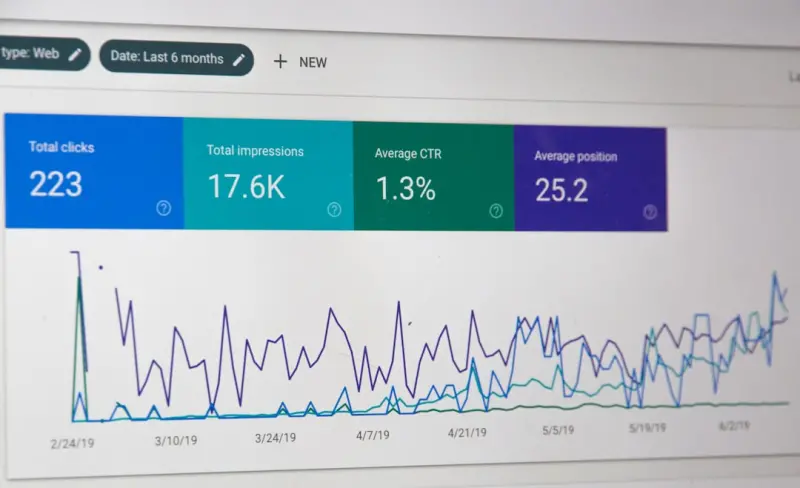
Visual Search SEO: Turning Product Images into Traffic Gold
Discover the power of visual search for eCommerce, from optimizing image assets and structured data ... Read More
How User‑Generated Content Can Supercharge Your eCommerce SEO
User‑generated content isn’t just social proof—it’s a powerful SEO engine. Learn how reviews... Read More
Unlocking the Full SEO Potential of Every Product Page
This post reveals a product‑first SEO approach that layers intent‑aligned copy, advanced schema ... Read More
Top Posts

SEO Blueprint for SaaS Onboarding: Turning First‑Time Users into Search‑Ready Leads
A fresh SEO strategy that goes beyond blog posts, focusing on onboarding, trial pages, and user‑generated content to turn first‑time visitors into search‑...Read More

Mastering Intent‑First SEO: Actionable Tips for Modern Marketers
A hands‑on guide to intent‑first SEO: map intent, craft content, optimize on‑page signals, and future‑proof your rankings with actionable tips for moder...Read More
Rethinking Search Intent: From Keywords to Behavior Signals
Explore the shift from simple queries to rich behavior signals, and learn actionable steps to align your SEO with the evolving intent landscape....Read More

Feeding Google Discover: A Playbook for Unscripted Traffic
Discover how to craft visual, fresh, and structured content that appeals to Google’s personalized feed, turning zero‑query traffic into a reliable growth ch...Read More
0 Comments
Post Comment
You will need to Login or Register to comment on this post!