

Why the Decentralized Web Demands a Fresh SEO Playbook
When I first started exploring decentralized applications, I quickly realized that the traditional SEO rulebook feels like a map drawn for a different continent – it points to landmarks that no longer exist in the blockchain‑driven landscape, and it overlooks the new terrain of token‑based incentives, distributed hosting, and user‑owned data. Search engines are beginning to crawl and index IPFS nodes, dApp directories, and even smart contract metadata, but the signals they prioritize differ dramatically from the URL‑centric cues we’ve grown accustomed to, meaning that every piece of content we produce must now speak the language of provenance, verifiable authenticity, and community consensus. In this article I’ll walk you through the mindset shift required to treat a dApp like a living ecosystem, not just a static website, and I’ll share the concrete tactics that let you harness that shift into measurable traffic and authority gains.
Core Pillars of Decentralized SEO
The first pillar is canonical decentralization: unlike a single domain that can claim ownership of a page, a dApp lives across multiple hash‑based addresses, each potentially served from a different node. To signal to crawlers which version is the “official” source, you need to embed Decoding Google’s Algorithm‑inspired structured data that references the immutable content identifier (CID) alongside a human‑readable name, and then propagate that identifier through your community channels, wallets, and token metadata. The second pillar is community‑validated relevance, which means leveraging the same trust mechanisms that power token economies – staking, reputation scores, and on‑chain voting – to surface content that truly matters to users, thereby giving search engines a transparent way to assess quality without relying on opaque backlink profiles. The third pillar is semantic interoperability, where you map your dApp’s data schema to emerging standards like schema.org’s WebPage and SoftwareApplication types, but you also publish cross‑chain ontologies that let search engines understand relationships between NFTs, DAO proposals, and user‑generated tutorials, turning isolated data points into a rich, discoverable knowledge graph.
Building on those pillars, the next essential element is link equity in a trust‑less environment. Traditional backlinks are still valuable, but their weight is now augmented by on‑chain signals such as wallet address reputation, transaction volume, and the number of unique holders who interact with your content. By integrating Collaborative Research techniques into your outreach – for example, co‑authoring whitepapers with influential token holders or sponsoring cross‑chain hackathons whose results are publicly recorded on the ledger – you create a provenance trail that search engines can verify, turning every endorsement into a cryptographically secured endorsement rather than a mere hyperlink.
Actionable Tactics to Get Ahead
Start by registering your dApp’s domain on ENS (Ethereum Name Service) or its equivalents on other blockchains, then create a DNS‑compatible TXT record that points to the primary CID, effectively giving search bots a stable entry point that resolves even if the underlying content moves across nodes. Next, generate a comprehensive JSON‑LD manifest that includes @id fields for every piece of on‑chain content – from token metadata to DAO proposals – and host that manifest on a gateway that guarantees low latency, because search crawlers penalize slow response times regardless of the protocol. Finally, embed a lightweight JavaScript snippet that queries the blockchain for real‑time reputation scores and injects them as data‑attributes into your HTML, allowing search engines that support structured data to factor those scores into ranking algorithms without requiring you to manually update every page as community sentiment evolves.
Another high‑impact tactic is to create a “FAQ‑as‑Smart‑Contract” module where each frequently asked question is stored as a discrete on‑chain entry, complete with a unique CID and a voting mechanism that surfaces the most helpful answers. By exposing that module through a public API and referencing it in your FAQPage schema, you give Google and emerging decentralized search engines a ready‑made source of rich snippets that can appear directly in SERPs, driving click‑throughs without any extra effort on the user’s part. Pair this with a regular cadence of “Community Pulse” reports – short, data‑driven posts that summarize token holder sentiment, transaction trends, and content engagement metrics – and you’ll have a steady stream of fresh, authority‑rich content that satisfies both human curiosity and algorithmic freshness requirements.
Measuring Success in a Token‑First World
Traditional SEO metrics like organic traffic and domain authority still matter, but in the decentralized realm you also need to track on‑chain KPIs such as unique wallet interactions, token holder growth, and the velocity of staking events tied to your content. Tools like Dune Analytics or The Graph let you visualize these metrics alongside Google Search Console data, giving you a unified dashboard where a spike in token transfers after publishing a tutorial can be directly correlated with a lift in search rankings. By setting up alerts for threshold breaches – for instance, when a new DAO proposal garners more than 5% of total votes within 24 hours – you can quickly publish follow‑up content that captures the momentum, ensuring you stay at the forefront of both community discussion and search relevance.
Finally, don’t underestimate the power of cross‑platform amplification. While decentralized search engines are still maturing, mainstream platforms like Twitter, Discord, and Reddit remain the primary discovery channels for crypto‑savvy audiences. Crafting shareable, token‑gated snippets that reward users with a small amount of native tokens for retweeting or linking back to your content creates a virtuous loop: each share generates on‑chain proof of endorsement, which in turn boosts your search credibility, leading to more organic visibility and more shares. By treating every piece of content as both a SEO asset and a community incentive, you build a resilient growth engine that thrives even as the underlying search algorithms continue to evolve.

Meghan Morris is not just a freelance writer - she is a force to be reckoned with in the world of writing. When Meghan isn't immersed into her writing, she dedicates her time and energy to her role as an Activation Coordinator. Apart from her writing and career, Meghan is also a passionate traveler and a self-proclaimed movie lover.
Related Posts

Turning Conversational Queries into SaaS Growth: A Voice‑First SEO Playbook
A step‑by‑step guide shows how to build conversational topic clusters, implement Speakable schem... Read More
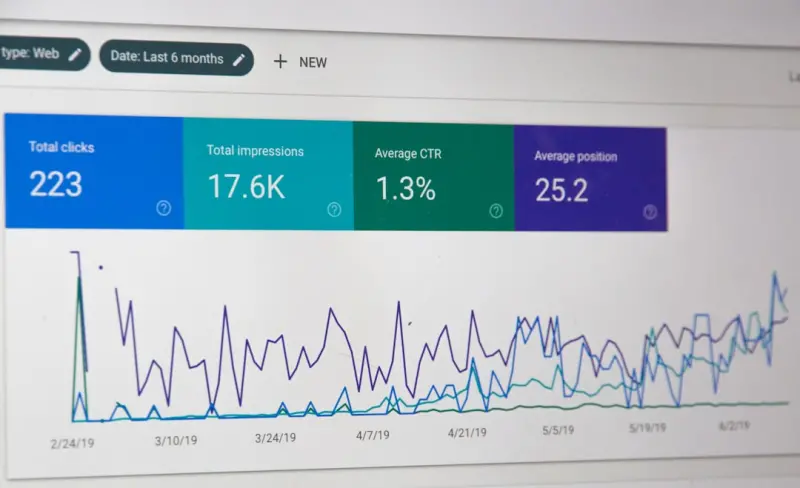
Building an SEO Experiment Lab: From Hypothesis to Ranking Wins
Discover a step‑by‑step framework for turning SEO ideas into data‑backed experiments, from hyp... Read More
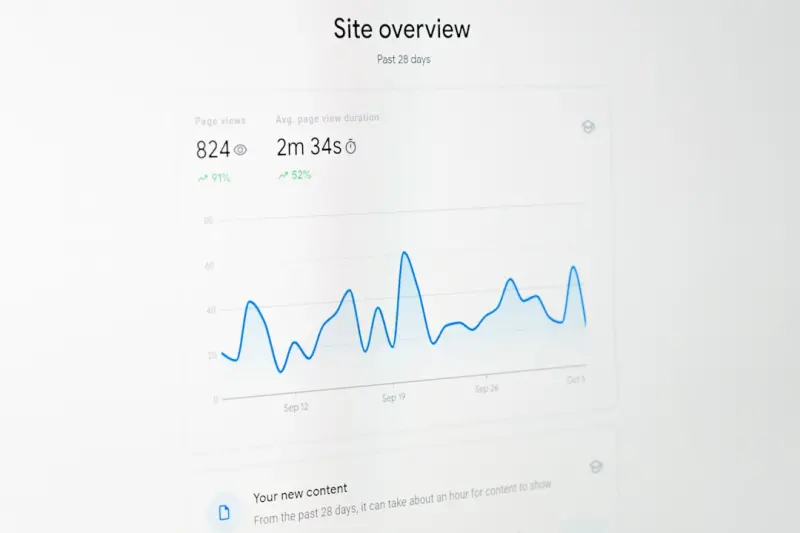
SEO Experiments That Actually Move the Needle for B2B SaaS
A step‑by‑step, data‑first playbook for B2B SaaS marketers to turn SEO changes into measurable... Read More
Top Posts
Conversational Commerce: Turning Chat Into a Sales Funnel
Learn why conversational commerce is the next digital marketing frontier, how to build a chat‑first sales funnel, and the metrics that prove its impact....Read More

Interactive Content Funnels: Turning Quizzes and Live Experiences into Marketing Gold
Learn why interactive content funnels are essential for today’s marketers, how to design them, measure success, and future‑proof your strategy with immersiv...Read More

Zero‑Click SEO: How SaaS Brands Capture Traffic Without a Click
Zero‑click search is reshaping SEO for SaaS. This guide shows how to map intent, craft snippet‑ready content, use structured data, and measure success, turn...Read More

The On‑Page SEO Checklist SaaS Marketers Can’t Ignore
A step‑by‑step guide that walks SaaS marketers through intent mapping, headline hierarchy, semantic clustering, internal linking, and performance audits to ...Read More
0 Comments
Post Comment
You will need to Login or Register to comment on this post!