
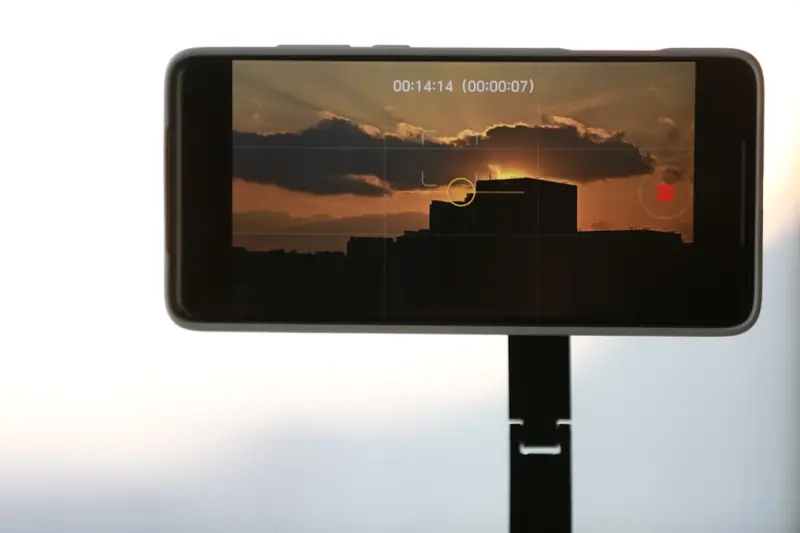
Micro‑Moments on Mobile: Turning Split‑Second Intent into Sustainable Growth
When I first started obsessing over mobile search, I thought the battle was all about speed and responsiveness. Sure, a 2‑second load time feels great, but the real gold lies in the micro‑moment – that fleeting instant when a user reaches for their phone, formulates a need, and expects an answer now. If you can predict and serve that intent, you’re not just winning a ranking; you’re winning a relationship.
Why Micro‑Moments Matter More Than Rankings
Google’s algorithmic dance has long been about relevance, authority, and backlinks. Yet the search engine’s core mission—delivering the best answer at the perfect moment—has never changed. Mobile users amplify this mission because their contexts are fluid: they’re on the go, in a queue, or multitasking between apps.
- Informational micro‑moments: “What’s the best CRM for remote teams?”
- Navigational micro‑moments: “Open my SaaS dashboard.”
- Transactional micro‑moments: “Upgrade my plan now.”
- Commercial investigation micro‑moments: “Compare pricing for project‑management tools.”
Each of these moments is a tiny decision node. If your content is not positioned to answer at that exact node, the user will swipe left—often to a competitor.
Mapping the Mobile Intent Landscape
Before you can serve a micro‑moment, you need a map. I treat mobile intent mapping as a three‑step exercise:
- Capture real‑world triggers. Use field research, call‑center logs, and even in‑app analytics to see what prompts users to fire up their phones.
- Cluster triggers by intent. Group them into the four micro‑moment types above. This clustering reveals content gaps in your existing knowledge base.
- Prioritize based on business impact. Not every micro‑moment moves the needle. Focus on those that align with revenue‑generating stages of your buyer’s journey.
Think of it as a mobile SEO heat map. The hottest spots are the moments where a well‑crafted snippet can capture a click, a call, or even a direct conversion.
Designing for the Split‑Second Decision
Once you’ve identified the moments, you need to design content that answers in under three seconds. Here’s how I break it down:
- Headline precision: Use the exact query phrase. For “best CRM for remote teams,” a headline like “Top 5 Remote‑Ready CRMs (2024)” hits the sweet spot.
- Answer first, details later: Open with a concise answer—one sentence, 150 characters max—then dive deeper. Mobile readers skim; they don’t read long paragraphs.
- Visual hierarchy: Large, legible fonts, ample white space, and thumb‑friendly buttons. The goal is a frictionless tap.
- Rich snippets & structured data: Even though we’re not re‑hashing the entire structured‑data playbook, implementing
FAQPageandHowToschema signals Google that you have a ready‑to‑use answer.
When you combine these tactics, you’re essentially building a “search‑ready micro‑site” that lives inside the SERP.
Core Web Vitals: The Mobile Trust Engine
Google’s Core Web Vitals have become the trust engine behind every micro‑moment. While many SaaS teams focus on desktop metrics, the mobile LCP (Largest Contentful Paint) under 2.5 seconds and CLS (Cumulative Layout Shift) below 0.1 are non‑negotiable for converting a micro‑moment into a conversion.
Here’s a quick checklist to keep your mobile Core Web Vitals on point:
- Optimize above‑the‑fold assets: Serve compressed WebP images and defer non‑critical CSS.
- Leverage server‑side rendering (SSR) for dynamic content. This reduces time‑to‑first‑byte, a crucial factor for LCP.
- Eliminate layout shifts: Reserve space for ads and images before they load.
- Use a CDN to bring content physically closer to mobile users worldwide.
Even a single millisecond improvement can be the difference between a user staying on your page or bouncing to the next result.
Voice Search: The Silent Driver of Mobile Micro‑Moments
Voice assistants are the invisible hands guiding many micro‑moments. A user might say, “Hey Siri, show me a free trial of a project‑management tool.” If your content isn’t optimized for conversational queries, you’re invisible to that voice‑driven request.
To capture voice traffic:
- Focus on natural language. Replace “CRM pricing” with “How much does a remote‑friendly CRM cost?”
- Target question‑based keywords: “What’s the best way to manage remote teams?”
- Implement
FAQPageschema to surface your answers directly in voice‑search results.
Voice search isn’t a separate channel; it’s an extension of the micro‑moment framework, demanding a conversational content style.
Leveraging Internal Link Equity for Mobile Micro‑Moments
Internal linking is often overlooked in mobile SEO, yet it can amplify the authority of your micro‑moment pages. By linking from high‑traffic blog posts to your micro‑moment landing pages, you pass link equity and signal relevance to Google.
For example, a well‑performing article about “Remote work collaboration trends” can include a contextual link like:
How structured data can make your micro‑moment content stand out
This not only drives referral traffic but also reinforces the topical relevance of the micro‑moment page in Google’s eyes.
Measuring Success: The Micro‑Moment KPI Dashboard
Traditional SEO metrics—organic traffic, keyword rankings—still matter, but they don’t capture the nuance of micro‑moments. I track three core KPIs:
- Micro‑moment CTR: The click‑through rate from SERP to your micro‑moment page. A high CTR indicates that your headline and snippet match the user intent.
- Engagement time on mobile: Seconds spent on the page before conversion. Short, purposeful engagement is a sign of a well‑matched micro‑moment.
- Conversion velocity: Time from SERP impression to conversion (free trial sign‑up, demo request). Faster velocity means you’re delivering the answer at the exact moment of intent.
By visualizing these metrics in a single dashboard, you can quickly spot under‑performing micro‑moments and iterate.
Case Study: From “Lost in the SERPs” to “Micro‑Moment Magnet”
One SaaS client, a niche B2B analytics platform, was stuck at zero clicks for their “real‑time dashboard demo” queries. We applied the micro‑moment framework:
- Mapped the intent: users were looking for a quick, no‑commitment preview.
- Created a dedicated “Instant Demo” landing page with a 30‑second video and a single‑click sign‑up form.
- Optimized Core Web Vitals, added
VideoObjectschema, and linked from a high‑traffic blog post about “Live data visualization.”
Result? Within two weeks, the micro‑moment CTR jumped from 0% to 27%, and the conversion velocity halved. The client now ranks in the top three for “instant analytics demo” on mobile.
Future‑Proofing Your Mobile Micro‑Moment Strategy
The mobile landscape will keep evolving—think AR overlays, AI‑driven assistants, and even tighter integration of search into native apps. To stay ahead:
- Adopt a data‑first mindset: Continuously feed real‑world usage data into your intent mapping.
- Invest in AI‑generated snippets: Tools that can automatically surface concise answers from your knowledge base.
- Test emerging formats: Augmented reality previews for product demos could become the next micro‑moment frontier.
In the end, mobile SEO isn’t about chasing algorithms; it’s about anticipating human moments. When you master the art of delivering the right answer at the right time, you turn every handheld interaction into a growth engine.
Take the First Step
Start by auditing your existing content for micro‑moment opportunities. Identify the top three queries that align with your revenue goals, and craft dedicated mobile‑first pages that answer them in under three seconds. Remember: the future of mobile search belongs to the brands that can think in moments, not just keywords.

Shawn DesRochers is a certified Microsoft technician and Programmer with 30+ year's experience. He has written many reviews on computer related products, software, and SEO related topics. When he's not writing reviews he can be found at one of the Oldest Directories Online Mighty Directory which he is the CEO of.
Related Posts

Zero‑Click Mobile SEO: How SaaS Brands Can Own the Spotlight on Search
Zero‑click mobile SEO transforms the search experience into a brand showcase. This guide reveals h... Read More
Why Progressive Web Apps Are the Secret Weapon for Mobile SEO Success
Learn why PWAs are reshaping mobile SEO, from performance gains and rich results to deep linking and... Read More

Mobile‑Only SERP Features: Unlocking High‑Impact Visibility on Small Screens
Learn to capture mobile‑only SERP features like snippets and carousels with proven strategies that... Read More
Top Posts
Gutenberg‑First SEO: Boost WordPress Rankings with Blocks
Discover why Gutenberg is more than a visual editor—its block-level semantics, lazy‑loading, and reusable patterns give WordPress sites a powerful SEO edge,...Read More
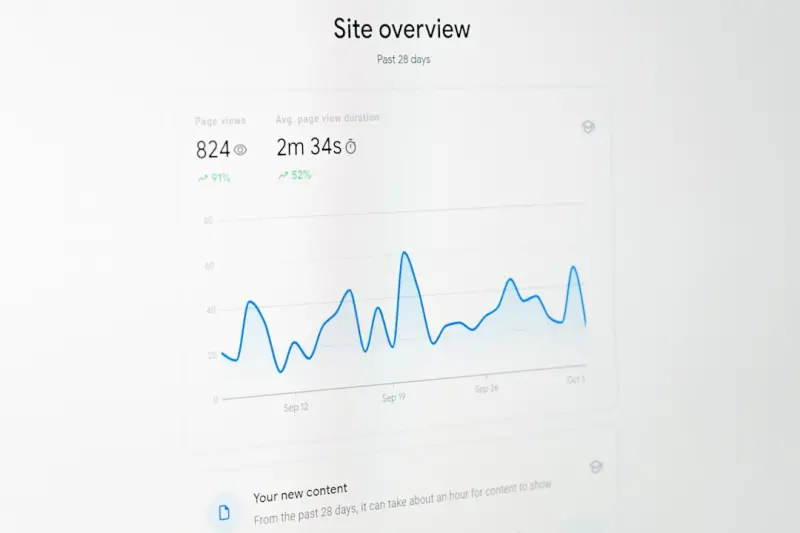
Going Global: International SEO Blueprint for SaaS Companies
International SEO is essential for SaaS growth. This guide walks you through market prioritization, technical setup, content localization, keyword research, lin...Read More

When AI Meets Bids: Rethinking SEM in the Age of Predictive Audiences
Discover a fresh SEM playbook that uses AI to create predictive audience segments, value‑at‑risk bidding, dynamic ad copy, and holistic attribution—turnin...Read More

Riding the 2024 SEO Wave: Rose DesRochers' Insider Strategies for Google Dominance
Rose DesRochers reveals the 2024 SEO playbook, blending AI insights, contextual ranking, and Core Web Vitals into a practical roadmap for Google dominance....Read More
0 Comments
Post Comment
You will need to Login or Register to comment on this post!