
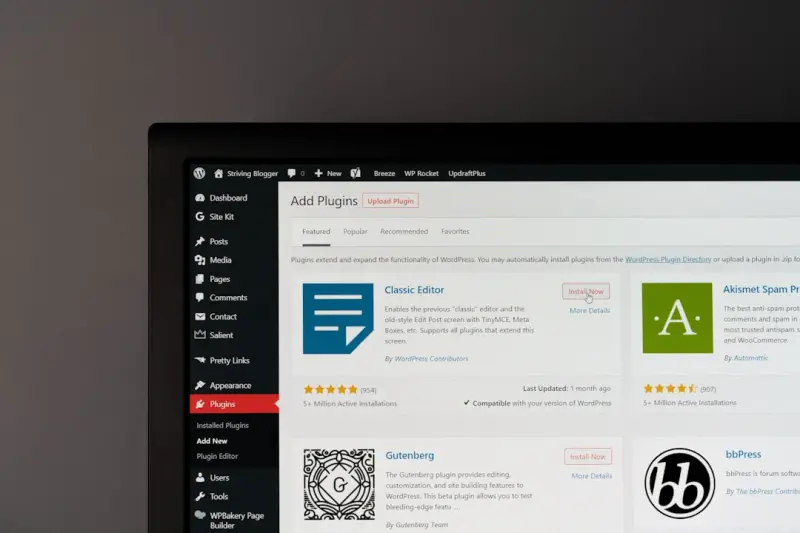
Why Voice Search Is No Longer a Niche Concern for WordPress Owners
In the past few years, the surge of smart speakers, mobile assistants, and hands‑free browsing has turned voice search from a novelty into a core traffic driver, and WordPress sites that ignore this shift risk falling behind their competitors. When a user asks a question like “where can I find a gluten‑free bakery near me?” the search engine prefers concise, authoritative answers that can be read aloud, which means the traditional keyword‑heavy approach must evolve into a conversational, intent‑focused strategy. Adapting your WordPress site for voice queries not only expands your reach to users on the go but also aligns with Google’s broader push toward natural‑language processing, making it a critical pillar of modern SEO.
Decoding Conversational Intent: From Keywords to Questions
Voice queries are typically longer, framed as complete sentences, and driven by a specific problem the user wants solved, so the first step is to map those questions to the topics you already cover on your site. Conduct a “question audit” by mining your analytics, scanning community forums, and using tools that surface the exact phrasing people use when they speak, then rewrite your existing headings and copy to mirror that language without sacrificing readability. By embedding these natural‑language phrases into your content, you signal to Google that your pages are the best match for spoken queries, which can dramatically improve your chances of landing in the coveted position zero slot.
Schema Markup: The Secret Sauce Behind Voice‑Ready Answers
Structured data is the lingua franca that tells search engines what your content means, and for voice search it’s the bridge that turns a regular paragraph into a spoken answer. Implementing FAQ schema, How‑To schema, and Product schema via JSON‑LD on WordPress gives Google a ready‑to‑read snippet that can be pulled into a voice response, and the markup can be added manually in the header, through a plugin, or by extending your theme’s functions.php file. Remember to keep the schema concise, accurate, and reflective of the actual page content; over‑optimizing or mismatching data can trigger manual actions that negate any SEO gains.
Speed and Mobile Experience: The Backbone of Voice Rankings
Because voice searches are almost always performed on mobile devices, Google places a premium on page speed and mobile‑first design when deciding which answer to speak aloud. A sluggish WordPress site will not only frustrate users but also be penalized in the ranking algorithm that powers voice results. Optimizing images, leveraging lazy loading, and serving assets from a CDN are proven tactics, and you can read more about how to boost your site’s loading performance in our dedicated guide. Pair these technical upgrades with responsive design and clear tap targets to ensure that the same user who discovers you via voice can seamlessly transition to a full‑screen experience.
Taxonomies and Hierarchy: Guiding Search Engines Through Your Content Forest
WordPress’s native taxonomy system—categories, tags, and custom taxonomies—provides a natural way to organize content into silos that both users and search bots can understand, which is especially valuable for voice assistants that rely on clear context to select an answer. By thoughtfully assigning posts to specific taxonomies and exposing that structure through breadcrumb schema, you create a logical map that helps Google surface the most relevant snippet for a spoken query. For a deeper dive on leveraging these structures for authority, check out our piece on harness taxonomies for better indexing. The result is a site that not only answers questions but does so in a way that feels organized and trustworthy.
Crafting Voice‑Friendly Content: Answers, Lists, and Snippet‑Ready Formats
The best way to win voice traffic is to write content that reads like a spoken answer: start with a clear, concise response to the core question, then expand with supporting details, bullet points, or numbered steps that a voice assistant can easily parse. Use headings that directly echo common queries—such as “How do I install a WordPress plugin?”—and incorporate short, punchy sentences that stay under 30 words to improve the likelihood of being selected for a voice read‑out. Additionally, embed lists and tables where appropriate, because Google frequently pulls these formats into “featured snippet” blocks that are the primary source for voice responses.
Automation with the WordPress REST API: Delivering Real‑Time JSON‑LD
For larger sites or those that publish content at scale, manually adding schema to every page becomes impractical, which is where the WordPress REST API shines as an automation engine for SEO. By creating a custom endpoint that outputs JSON‑LD for each post based on its metadata—title, excerpt, taxonomy, and author—you can ensure that every new piece of content is instantly voice‑ready without extra manual steps. Pair this with a lightweight plugin that injects the generated markup into the page header, and you have a seamless pipeline that keeps your voice SEO footprint fresh and accurate, even as your editorial calendar fills up.
Measuring Voice Impact: Tools, Metrics, and Continuous Optimization
Unlike traditional organic traffic, voice search data isn’t always visible in standard analytics dashboards, so you need to rely on Google Search Console’s “Performance” report filtered by “Search type: Voice” and third‑party tools that track spoken query rankings. Look for spikes in impressions for question‑based queries, monitor the click‑through rate of featured snippets, and correlate those metrics with overall engagement metrics like dwell time and bounce rate to gauge the quality of voice‑driven visitors. Regularly audit your top‑ranking pages, update outdated answers, and experiment with new schema types to maintain a competitive edge as the voice landscape evolves.
Future‑Proofing Your WordPress Site for the Next Wave of Conversational AI
As AI assistants become more sophisticated, the line between text and voice search blurs, meaning the strategies you implement today will serve you well in a fully conversational web where users interact with chatbots, visual search, and multimodal devices. Investing in robust schema, fast mobile experiences, and a clean taxonomy hierarchy positions your WordPress site to adapt to these emerging formats without a complete overhaul. Keep an eye on emerging standards like the “FAQPage” and “HowTo” enhancements, and stay agile by testing new content formats in a sandbox environment before rolling them out site‑wide. By treating voice SEO as an ongoing, iterative process, you ensure that your WordPress presence remains authoritative, discoverable, and ready for whatever the next generation of search brings.

Kris M. Chen is a dedicated legal paralegal based in Texas, specializing in delivering comprehensive case management and litigation support. Known for a meticulous approach to legal research and document preparation, Kris plays a vital role in navigating complex legal workflows and ensuring seamless trial preparation.
Related Posts
The Hidden SEO Goldmine in WordPress Taxonomies
Learn a fresh SEO strategy for WordPress: use taxonomies to create structured content hubs, improve ... Read More
The Power of Content Clusters: A WordPress SEO Blueprint
Discover why content clusters are the missing link in WordPress SEO, with a detailed blueprint, adva... Read More

Designing an SEO‑First WordPress Theme: A Hands‑On Blueprint
A step‑by‑step guide to crafting a WordPress theme that puts SEO first, covering architecture, s... Read More
Top Posts

Why On‑Page SEO Should Be Your SaaS Site’s Silent Conversion Booster
Learn a fresh, integrated approach to on‑page SEO that blends search visibility, user experience, and conversion tactics, turning every page into a powerful l...Read More

How User‑Generated Video Can Supercharge Your eCommerce SEO
Learn to turn shopper‑made videos into SEO gold, from sourcing raw clips to technical markup and performance tracking....Read More

AI Assistant SEO: A SaaS Playbook for the New Search Landscape
AI assistants like ChatGPT and Bing Chat are rewriting discovery for SaaS. This post breaks down the mechanics, essential content upgrades, and advanced tactics...Read More

Transform Facebook Assets into Search Magnets
This post reveals a data‑driven framework for making Facebook content rank in the platform’s internal search, covering structured data, video tactics, event...Read More
0 Comments
Post Comment
You will need to Login or Register to comment on this post!