

Why Facebook Groups Are the Secret Weapon for Search Visibility
When most marketers think about Facebook SEO, they picture public pages and ad‑driven traffic, but the real goldmine lives inside niche groups. Groups foster deep community interaction, which sends strong relevance signals to both Facebook’s internal algorithms and Google’s crawlers that love authentic, user‑generated content. By curating a well‑defined group around a specific topic, you create a hub where members naturally share links, answer questions, and generate backlinks that boost your brand’s authority across the web. This strategy works especially well for businesses that serve specialized audiences, turning casual fans into vocal advocates who amplify your content beyond the platform.
Crafting a Group Blueprint That Aligns With Search Goals
The first step is to map out the group’s purpose, target keywords, and content pillars before you even click “Create”. Choose a clear, keyword‑rich name that mirrors what your ideal audience is likely to search for—think “Eco‑Friendly Home DIY Tips” rather than a vague “Green Living Club”. Then, outline three core content pillars that will guide every post, such as “Sustainable Materials Reviews”, “Step‑by‑Step Project Guides”, and “Member Success Stories”. This structure not only keeps discussions focused but also creates repeatable themes that can be repurposed into blog posts, videos, and even SEO‑friendly site search assets. The result is a cohesive ecosystem where each group interaction fuels broader search visibility.
Optimizing Group Posts for Discoverability Inside and Outside Facebook
Every post you publish in the group should be treated like a micro‑landing page. Start with a compelling headline that includes a primary keyword, and follow up with concise copy that answers a specific user intent. Use the native Facebook formatting tools—bullet points, bold text, and hashtags—to highlight key information and improve readability. Don’t forget to embed relevant links back to your website or blog; these contextual backlinks are valued by Google when they appear in a trusted community. Adding a well‑chosen Open Graph image also ensures that when members share the post externally, it generates a rich preview that can attract clicks from search results and social feeds alike.
Driving Engagement That Sends Strong Ranking Signals
Search engines interpret engagement metrics—comments, reactions, and shares—as indicators of content quality. To boost these signals, pose open‑ended questions at the end of each post, encourage members to tag friends, and run periodic “member spotlight” features that reward active participants. When a discussion sparks a lively debate, the resulting thread depth provides Facebook with a wealth of fresh text for its crawlers, while Google can index the public portions of the conversation, enriching its index with long‑tail keyword variations you might not have targeted directly. Consistently high engagement tells both platforms that your group is a valuable resource, which translates into higher rankings and more organic traffic.
Leveraging Group Analytics to Refine Your SEO Tactics
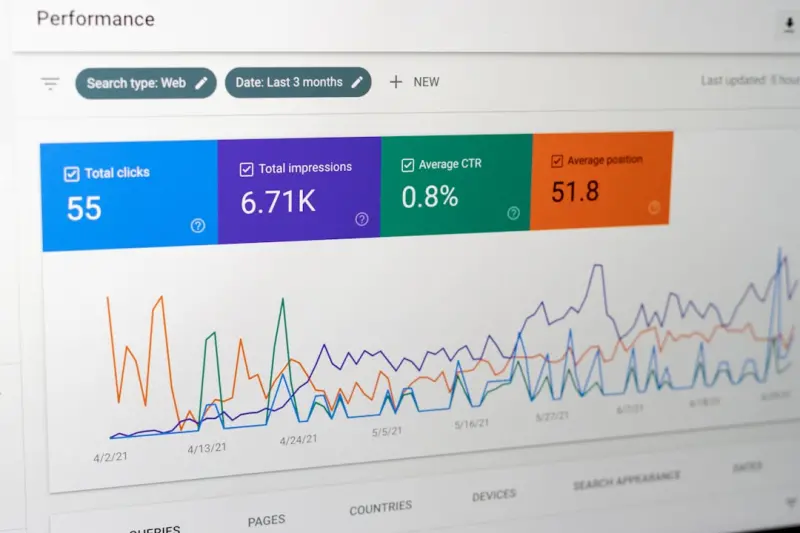
Facebook supplies built‑in analytics that reveal which posts generate the most clicks, comments, and shares. Use these insights to identify high‑performing topics and double down on them in future content. Additionally, export the data into a spreadsheet and cross‑reference it with Google Search Console to see if spikes in group activity align with increases in organic impressions or clicks. This feedback loop helps you fine‑tune keyword targeting and content formats, ensuring that every group interaction contributes measurable SEO value. Over time, the data will highlight hidden keyword opportunities that you can turn into pillar blog posts, further amplifying your search presence.
Cross‑Posting Strategies That Multiply Your Reach
Don’t let the conversation stay confined to Facebook. Repurpose top‑performing group discussions into other formats—turn a popular Q&A thread into a detailed blog article, or compile member tips into an infographic that you share on Pinterest and Instagram. When you publish the new asset, include a backlink to the original group post, creating a two‑way link flow that boosts authority for both pages. This cross‑posting approach not only extends the life of your content but also signals to Google that your brand is a hub of expertise across multiple platforms, strengthening your overall search rankings.
Integrating Facebook Group Content With Email Marketing
Another powerful synergy is feeding group insights into your email newsletters. Summarize the week’s most insightful discussions, highlight member achievements, and embed direct links to the original group posts. Subscribers who click through become new group members, expanding your community and its engagement metrics. Meanwhile, the increased membership feeds more content back into the group, creating a virtuous cycle of activity that benefits both email open rates and SEO performance. By aligning email and Facebook strategies, you create a multi‑channel presence that search engines recognize as authoritative and trustworthy.
Ensuring Compliance While Maximizing SEO Benefits
While the SEO upside of Facebook groups is compelling, it’s essential to stay within platform policies and privacy regulations. Avoid overly promotional language; instead, focus on providing genuine value and fostering organic discussions. Clearly disclose any affiliate links or sponsored content to maintain transparency, which also protects your brand from potential penalties. By adhering to best practices, you safeguard the group’s credibility, ensuring that both Facebook’s algorithm and Google’s quality raters view your community as a trustworthy source of information.
Future‑Proofing Your Group for Long‑Term Search Success
As algorithms evolve, the core principle remains: authentic, engaged communities outperform isolated content silos. To stay ahead, regularly audit your group’s keyword relevance, refresh outdated posts, and invite subject‑matter experts to host live sessions that generate fresh, searchable content. Consider integrating emerging formats like short‑form video reels, which Facebook indexes and can appear in video‑centric SERPs. By continuously nurturing the group and aligning its growth with evolving SEO trends, you position your brand to capture sustainable organic traffic for years to come.

Deb Roberts is a freelancer who writes on various subjects, bringing versatility and depth to her work. Alongside her broad writing expertise, she has a special passion for horses.
Related Posts

Unlocking Facebook’s Hidden SEO Power: From Reels to Messenger Bots
Learn fresh Facebook SEO tactics—from optimizing Reels and Instant Articles to leveraging Messenge... Read More

Facebook SEO: Turning Your Page and Groups into Search Engines
Learn actionable tactics to make your Facebook page and groups rank in both Facebook and Google sear... Read More

Turning Facebook Groups into SEO Powerhouses
Discover a fresh approach to Facebook SEO by optimizing groups for search visibility. From niche tar... Read More
Top Posts

Mastering Intent‑First SEO: Fresh Tips for 2026
Unlock the power of intent‑first SEO with fresh 2026 tactics. From research to technical tweaks, learn how to align content with real user purpose and dominat...Read More

Deep Linking the Deep Catalog: SEO Tactics for Massive Product Inventories
Discover a systematic approach to internal linking for massive eCommerce inventories, from silo mapping and navigation design to landing page creation and crawl...Read More
How to Build a Content Hub That Dominates Search
Learn step‑by‑step how to craft a content hub that fuels organic growth, improves user experience, and becomes a lasting SEO powerhouse....Read More

Beyond the Cart: How Augmented Reality Is Redefining eCommerce Marketing
Augmented reality is turning online shoppers into virtual try‑ons, lowering purchase risk and increasing conversions. This article explores the psychology, te...Read More
0 Comments
Post Comment
You will need to Login or Register to comment on this post!