
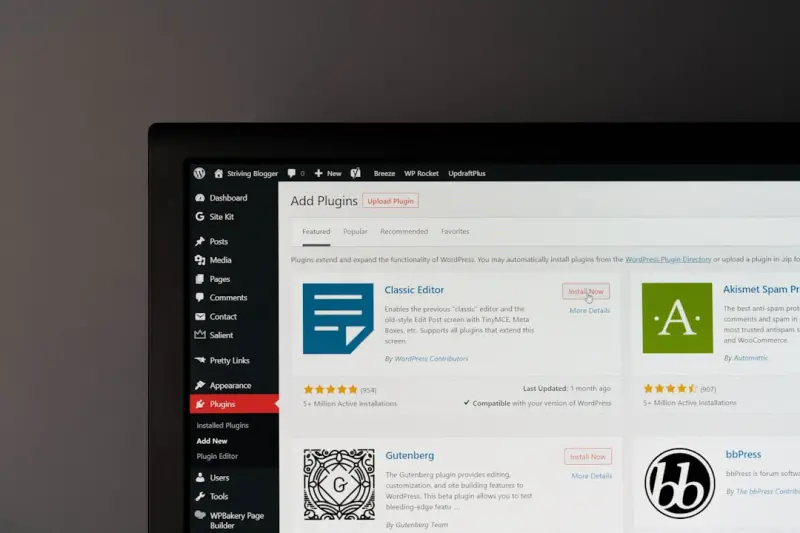
Why Headless WordPress Is the Next SEO Frontier
Traditional WordPress setups bundle content and presentation, which can create bottlenecks for modern search engines that favor lightning‑fast, API‑driven experiences. By decoupling the front‑end, you gain granular control over markup, schema, and caching layers, allowing you to serve perfectly optimized HTML to crawlers while still delivering rich, interactive experiences to users. This architectural shift not only future‑proofs your site against emerging ranking signals but also opens doors to advanced performance tricks that standard plugins simply can’t match.
Choosing the Right Front‑End Framework
When you go headless, the choice of framework—React, Vue, Svelte, or even static generators like Eleventy—directly impacts SEO health. Frameworks that support server‑side rendering (SSR) or static site generation (SSG) can pre‑render critical content, ensuring Google’s bots see a fully populated page without waiting for JavaScript execution. Pairing a lightweight UI library with edge‑caching solutions such as Cloudflare Workers maximizes both speed and reliability, which are core ranking factors in today’s SERP landscape.
Implementing Structured Data at the Source
One of the biggest advantages of a headless stack is the ability to inject JSON‑LD schema directly from your data layer, bypassing the need for bulky plugins that can slow down page loads. By mapping WordPress custom fields to schema.org types—like Article, FAQ, or Product—you deliver precise, machine‑readable information that enhances rich‑snippet eligibility. This practice also dovetails with emerging AI‑driven search summaries, giving your content a better chance to be featured in answer boxes.
Managing Crawl Budget with Precision
Because headless sites often generate a larger number of static assets, controlling Google’s crawl budget becomes essential to avoid wasted indexing of irrelevant resources. Implementing a disciplined crawl budget strategy—such as consolidating duplicate URLs, leveraging robots.txt, and fine‑tuning XML sitemaps—ensures that search bots focus on your high‑value pages. The result is faster indexation of fresh content and improved overall visibility.
Optimizing Core Web Vitals at the Edge
Core Web Vitals are no longer optional; they are direct ranking signals, especially for mobile‑first indexing. By serving pre‑rendered HTML from edge locations and using modern image formats like AVIF or WebP, you dramatically reduce Largest Contentful Paint (LCP) and Cumulative Layout Shift (CLS). Coupled with strategic lazy‑loading and critical CSS inlining, you can consistently achieve the fast, stable experience that Google rewards.
Leveraging Serverless Functions for SEO Enhancements
Serverless platforms enable you to run lightweight functions on demand, perfect for SEO tasks that need real‑time data—like generating dynamic meta tags or handling on‑the‑fly redirects without impacting page speed. Integrating serverless SEO techniques lets you keep your front‑end lean while still delivering personalized, context‑aware signals to search engines. This balance is key to maintaining both performance and relevance across diverse user intents.
Content Migration Best Practices
Moving from monolithic WordPress to a headless architecture requires careful planning to preserve SEO equity. Start by exporting all existing URLs, metadata, and canonical tags, then map them to their new static equivalents, ensuring 301 redirects are in place for any changed paths. Conduct a thorough audit with tools like Screaming Frog to catch orphaned pages, broken links, and missing schema before the new site goes live.
Monitoring and Measuring Success
After launch, the work shifts to continuous monitoring—tracking index coverage, click‑through rates, and Core Web Vitals through Google Search Console and PageSpeed Insights. Set up automated alerts for crawl errors, and use structured data testing tools to verify that schema is rendering correctly. By establishing a feedback loop, you can iterate quickly, tweaking front‑end code or serverless functions to resolve any SEO regressions.
Future‑Proofing Your Headless WordPress SEO Strategy
As search evolves toward AI‑generated summaries and multimodal results, a headless WordPress site offers the flexibility to adapt without overhauling the entire system. You can seamlessly integrate emerging technologies—like AI‑driven content recommendations or voice‑ready markup—while keeping the core performance advantages intact. Embracing this architecture today positions your brand to stay ahead of the curve, ensuring sustained organic growth in an ever‑changing digital landscape.

Shawn DesRochers is a certified Microsoft technician and Programmer with 30+ year's experience. He has written many reviews on computer related products, software, and SEO related topics. When he's not writing reviews he can be found at one of the Oldest Directories Online Mighty Directory which he is the CEO of.
Related Posts
Scaling Authority with WordPress Multisite: An SEO Playbook
Unlock the SEO potential of WordPress Multisite. This guide reveals how to consolidate authority, bo... Read More
WordPress SEO Hacks: Structured Data, E‑A‑T & Gutenberg
Discover how to supercharge your WordPress SEO using structured data, authority-building author bios... Read More

WordPress Topic Clusters: Turning Taxonomies into SEO Super‑Highways
Discover a step‑by‑step strategy for leveraging WordPress’s native taxonomy system to create t... Read More
Top Posts
Turning Your Progressive Web App into a Mobile SEO Powerhouse
Explore a comprehensive guide on turning PWAs into mobile SEO assets, covering technical setup, performance tweaks, micro‑moment targeting, link building, and...Read More
Why Passage Ranking Is a Game‑Changer for SaaS SEO
Discover why Google’s passage ranking matters for SaaS companies and how to structure long-form content to capture niche queries, improve crawl efficiency, an...Read More
Bridging Mobile SEO and App Indexing: A Deep Dive into Seamless User Journeys
Learn to merge mobile SEO and app indexing with deep links, structured data, and unified content, creating a frictionless user journey that boosts rankings and ...Read More

Zero‑Click Search: How SaaS Brands Can Win Visibility Without a Click
Zero‑click search is reshaping how SaaS companies get discovered. This article explains why featured snippets, knowledge panels, and video carousels matter, a...Read More
0 Comments
Post Comment
You will need to Login or Register to comment on this post!