
Why Facebook Video Matters More Than Ever
When the conversation turns to organic reach, the word video dominates every boardroom, strategy session, and coffee‑break brainstorm. Facebook, with its billion‑plus monthly active users, has quietly turned its video ecosystem—Reels, Stories, Live streams—into a high‑velocity funnel for brand discovery. Unlike text‑heavy posts that drown in algorithmic noise, video offers a rich blend of visual cues, auditory signals, and real‑time engagement that search engines are learning to index. The result? A piece of content that not only thrives within Facebook’s own feed but also surfaces on Google, Bing, and even niche vertical search engines. In short, mastering Facebook video SEO is no longer optional; it’s a core pillar of any growth‑focused SaaS marketer’s playbook.
Understanding Facebook’s Internal Search Engine
Facebook’s internal search isn’t a mystery black box—it’s a sophisticated relevance engine that evaluates three primary signal families: content relevance, engagement velocity, and authority context. When you upload a Reel, the platform parses the video’s title, description, and even the spoken words (thanks to on‑the‑fly transcription). It then cross‑references the content against user intent signals such as recent searches, group affiliations, and page likes. This is why a well‑crafted video can appear at the top of a user’s search results for a niche query, even if the creator’s page is relatively new.
But the influence doesn’t stop at Facebook. Google’s Video Indexing pipeline now pulls in publicly available Facebook videos, especially those embedded with proper Open Graph metadata. In practice, a Reel optimized for Facebook’s search can double‑dip: it climbs the ranks within Facebook while also earning a foothold on Google’s video carousels.
Blueprint for Video Metadata Mastery
Metadata is the DNA of video discoverability. Below is a step‑by‑step checklist you can paste into your SOPs:
- Compelling Title (≤ 100 characters) – Front‑load your primary keyword and make it actionable. Example: “How to Reduce Churn with Automated Onboarding”
- Strategic Description – Use the first 125 characters to echo the title, then expand with a concise summary that includes secondary keywords and a clear call‑to‑action.
- Open Graph Tags – Set
og:title,og:description,og:image, andog:videoto match your Reel’s metadata. This ensures Facebook and external crawlers read the same information. - Transcripts & Captions – Upload an accurate transcript; Facebook will index the text, giving your video a hidden keyword reservoir.
- Thumbnail Selection – Choose a high‑contrast frame that reflects the video’s core message. Thumbnails affect click‑through rates, which feed back into the engagement velocity signal.
Leveraging Engagement Velocity: The Fast‑Lane to Rankings
Engagement velocity is the rate at which a video garners likes, comments, shares, and watch time within its first 24‑48 hours. Facebook treats a rapid surge as a sign of relevance, boosting the piece in both feed and search. Here’s how to engineer that spike:
- Pre‑Launch Teasers – Drop a 15‑second teaser in Stories 24 hours before publishing. Tag relevant partners and encourage them to reshare.
- Launch Timing – Post when your audience is most active. Use Facebook Page Insights to identify peak windows, typically mid‑morning or early evening in your primary time zone.
- Immediate Community Push – Prompt your Slack or Discord community to watch and engage within the first hour. A coordinated burst can tip the algorithm in your favor.
- Interactive Elements – Embed polls or Q&A stickers in the Reel or accompanying Story to drive comments.
- Cross‑Platform Amplification – Share the Reel on LinkedIn and Twitter with a direct link back to Facebook, funneling external traffic that signals broader relevance.
Authority Context: Building Trust Signals on Facebook
Authority on Facebook isn’t just about follower count; it’s about the depth of interactions across multiple content types. Here’s a three‑pronged approach to boost authority for your videos:
- Consistent Brand Voice – Align your Reel’s visual style, tone, and messaging with your page’s overall brand guidelines.
- Strategic Partnerships – Co‑create a Reel with an industry influencer or complementary SaaS tool. Their audience interaction transfers authority to your content.
- Content Pillar Integration – Embed your video within a larger content hub strategy. A dedicated hub page that aggregates related Reels, blog posts, and whitepapers signals depth to both Facebook and Google.
From Facebook to Google: The Open Graph Bridge
Open Graph (OG) tags are the lingua franca between Facebook and external search engines. When you correctly implement OG tags, you’re essentially handing Google a clean, structured snapshot of your video’s metadata. This boosts the odds of appearing in Google’s video carousel and “People also ask” sections. Here’s a quick OG cheat sheet for your video pages:
<meta property="og:title" content="How to Reduce SaaS Churn in 5 Minutes">
<meta property="og:description" content="Learn a proven onboarding automation that cuts churn by 30%.">
<meta property="og:image" content="https://example.com/thumbnail.jpg">
<meta property="og:video" content="https://example.com/video.mp4">
<meta property="og:url" content="https://facebook.com/yourpage/videos/123456789">
<meta property="og:type" content="video.other">
Once these tags are live, run a quick fetch with Google’s URL Inspection tool to confirm that Google can read them.
Advanced Tactics: Harnessing Facebook Reels for SEO
Reels are Facebook’s answer to TikTok’s short‑form craze, but they also carry unique SEO benefits:
- Algorithmic Freshness – Reels are prioritized in the feed for users who engage with short‑form video, giving you a built‑in freshness signal.
- Hashtag Optimization – Use 3‑5 niche hashtags that mirror search intent. Facebook treats these as secondary keywords for both internal and external indexing.
- Embedded Links in Captions – While direct clickable links aren’t supported, you can include a short URL that leads to a landing page optimized for the same keyword set. This creates a backlink trail.
- Loopable Content – Design Reels that naturally loop. Higher watch‑through rates improve dwell time, a key factor in Facebook’s ranking formula.
Live Streams: Real‑Time SEO in Action
Live streams generate massive spikes in engagement velocity and can be repurposed as evergreen content. Follow these steps to maximize SEO impact:
- Pre‑Event SEO – Create an event page with a keyword‑rich title and description. Add OG tags to the event URL.
- During the Stream – Pin a comment with a link to a resource hub. Encourage viewers to ask questions that include target keywords.
- Post‑Event Repurposing – Export the video, add a transcript, and upload it as a standard Reel or to a YouTube channel with matching metadata.
- Analytics Loop – Use Facebook Insights to identify the top‑performing moments and splice them into short clips for future Reels.
Integrating Video with actionable entities
Actionable entities are structured data points that turn raw information into searchable assets. When you embed entity markup (Schema.org) into your landing pages, you give Google a clear signal about the video’s subject matter—be it a software feature, a case study, or a pricing model. Pairing this with Facebook video creates a dual‑channel authority boost. For instance, a Reel about “Automated Billing Alerts” can be linked to a product page that implements SoftwareApplication schema, reinforcing the keyword ecosystem.
Case Study: SaaS Brand X’s 3‑Month Reel Ramp‑Up
Brand X, a mid‑stage B2B SaaS provider, implemented a disciplined Reel schedule—two Reels per week, each targeting a specific buyer‑persona pain point. By applying the metadata checklist, timing the releases, and cross‑posting to a dedicated content hub, they achieved:
- +68% increase in Reel view‑through rates
- +42% lift in organic reach on Facebook search
- +27% of Reel traffic converted to trial sign‑ups within 48 hours
- Featured in Google’s video carousel for “SaaS churn reduction” queries
The key takeaway? Consistency, metadata rigor, and the strategic reuse of video across platforms amplify both Facebook and Google SEO performance.
Measuring Success: KPI Dashboard Essentials
To justify the investment, track these core metrics:
| Metric | Why It Matters |
|---|---|
| First‑Hour Engagement Rate | Signals freshness to Facebook’s algorithm. |
| Watch‑Through Percentage | Higher dwell time improves authority context. |
| Click‑Through Rate (CTR) on Embedded Links | Measures cross‑platform traffic flow. |
| Google Video Carousel Impressions | Direct evidence of external indexing. |
| Lead Conversion Rate from Video Landing Pages | Ultimate business outcome. |
Set up automated alerts in your analytics platform to notify the growth team when any metric deviates beyond a ±10% threshold, enabling rapid iteration.
Future‑Proofing: The Rise of Audio‑Enhanced Reels
Facebook is experimenting with AI‑generated captions and audio descriptions for accessibility. By proactively adding descriptive audio tracks to your Reels, you not only improve inclusivity but also provide another text layer for indexing. Think of it as a silent SEO boost—search engines can parse the transcript of the audio track, uncovering hidden keyword opportunities.
Moreover, as voice search gains traction, the synergy between spoken content and text transcripts will become a critical ranking factor. Start recording high‑quality voiceovers today, and you’ll be ahead of the curve when the algorithm places more weight on audio signals.
Putting It All Together: A 30‑Day Action Plan
Ready to roll? Follow this pragmatic roadmap:
- Week 1 – Foundations – Audit existing video assets, implement OG tags, and draft a metadata template.
- Week 2 – Production – Film three Reels (30‑60 seconds each) and one Live stream outline. Add transcripts and captions.
- Week 3 – Launch & Amplify – Publish Reels according to peak engagement windows, run teaser Stories, and engage community for immediate feedback.
- Week 4 – Analyze & Iterate – Pull data from Facebook Insights and Google Search Console. Identify top‑performing keywords, adjust titles/descriptions, and plan the next batch of content.
Repeat the cycle, continuously refining metadata, timing, and cross‑channel promotion. Within three months, you’ll see measurable lifts in both Facebook search visibility and Google video traffic.
Final Thoughts: Video Is the New SEO Frontier on Facebook
Facebook’s evolution from a social timeline to a video‑centric discovery engine presents an unprecedented opportunity for SaaS marketers. By treating each Reel, Story, and Live stream as a fully optimized SEO asset—complete with meticulous metadata, strategic publishing, and authority‑building tactics—you can command both internal and external search real estate. The payoff is tangible: higher organic reach, amplified brand authority, and a steady stream of qualified leads that originate from a platform traditionally seen as a paid‑media playground. Embrace the video‑first mindset, embed your efforts within a broader content hub, and watch your brand ascend the rankings across the digital ecosystem.

Jimmy Damon loves to right on a large scale of topics with all things Canadian as this Montreal die hard loves hockey. fishing and sports.
Related Posts
How to Hack Facebook’s New Graph Search for Explosive SEO Gains
Discover fresh tactics to leverage Facebook’s revived Graph Search, turning page metadata, live vi... Read More
Unlocking Facebook’s Hidden SEO Power for SaaS Brands
Facebook isn’t just a social hub—it’s a searchable platform ripe for SEO. Learn how to optimiz... Read More
How to Turn Facebook Into a High‑Impact SEO Engine for SaaS
Facebook isn’t just a social channel—it’s a hidden SEO powerhouse. This guide walks SaaS marke... Read More
Top Posts
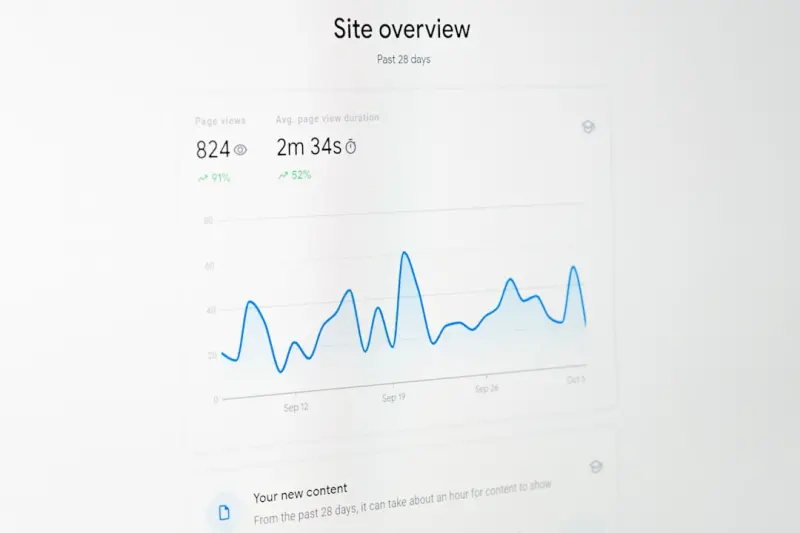
AI Search as a Real‑Time Insight Engine for SaaS Teams
Learn how to build an AI‑powered search layer that aggregates support tickets, usage data, and docs into contextual answers and actionable recommendations, tu...Read More
Headless CMS SEO: Unlocking Search Success for Modern SaaS Brands
A deep dive into headless CMS SEO for SaaS, covering crawlability, structured data, performance, internal linking, and future‑proofing for AI and voice search...Read More
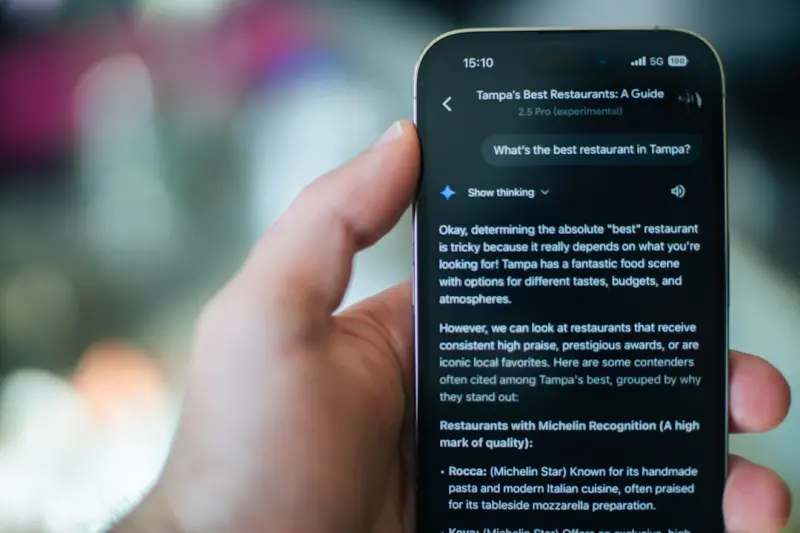
Beyond the Browser: How SaaS Brands Can Conquer Mobile Search with App Indexing and Deep Links
A practical guide for SaaS marketers on leveraging app indexing, deep linking, and mobile‑first architecture to dominate mobile search, improve conversions, a...Read More

Why Search Engine Transparency Is the Next SEO Frontier
Search engines are moving toward greater openness. Learn why predictive intent, interaction fluidity, and verifiable credentials will define the next wave of SE...Read More
0 Comments
Post Comment
You will need to Login or Register to comment on this post!