
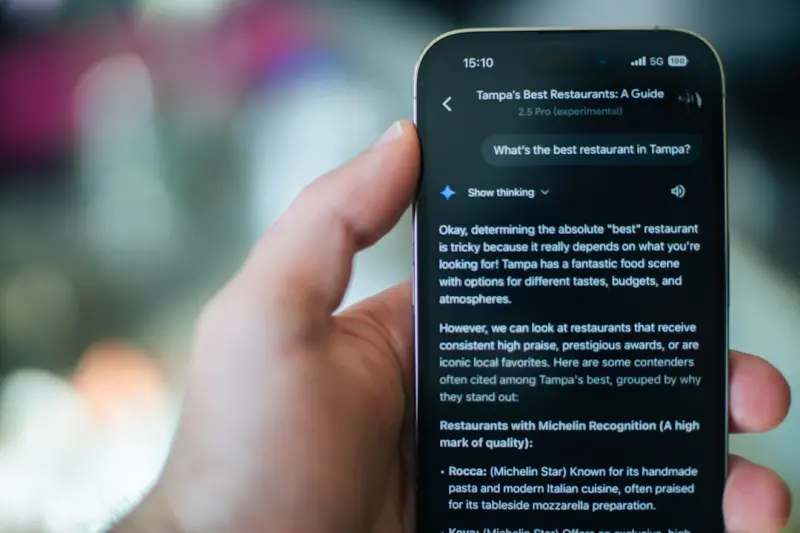
When I first stared at a sea of mobile‑only traffic dashboards, the numbers looked like a tidal wave—unavoidable, powerful, and a little intimidating. As a SaaS marketer, my instinct was to chase the usual suspects: responsive design, page speed, and keyword tweaks. Yet the real tide that lifts all boats in mobile search isn’t just about making a site look good on a phone; it’s about speaking the language that Google’s mobile crawlers, Android’s App Index, and iOS’s Spotlight understand.
Why Mobile‑First Indexing Isn’t Enough Anymore
Google’s shift to mobile‑first indexing was a game‑changer, but it’s often misinterpreted as “just make sure your desktop site has a mobile version.” In reality, Google now treats the mobile version of your site as the canonical source of truth. If your mobile pages are missing critical schema, lack proper internal linking, or serve thin content, the whole property suffers.
For SaaS companies, the stakes are higher. Prospects frequently browse on‑the‑go, compare pricing tables on a phone, and even start a trial from a mobile app. If your mobile presence is merely a stripped‑down replica of the desktop experience, you’re handing the competition a free ticket to the top of the SERP.
The Rise of App Indexing: A New SEO Frontier
App indexing is the bridge that connects native mobile applications with Google Search results. When a user types a query that matches an intent within your app, Google can surface a deep link directly to the relevant screen inside the app—bypassing the web entirely. This is a huge win for SaaS platforms that have companion mobile apps for dashboards, notifications, or on‑the‑fly analytics.
To make app indexing work, you need two ingredients:
- App content declarations via the
android_apporios_appschema in your website’s structured data. - Deep links that map specific content (e.g., a pricing page, a feature overview, or a support article) to an exact location inside the app.
Once Google validates those signals, it treats your app as an extension of your web presence, ranking it alongside traditional URLs. The result? A seamless, cross‑platform experience that keeps prospects in your ecosystem from the first click to the final conversion.
Designing a Mobile‑First Site Architecture That Feeds the App
A robust mobile architecture isn’t just about Performance‑First On‑Page SEO. It’s about intentional hierarchy, logical URL structures, and crawlable pathways that both users and bots can follow effortlessly.
Consider these best practices:
- Flatten your navigation. Mobile users expect to get to the content they need in three taps or fewer. Use a shallow hierarchy—no more than three levels deep—for core SaaS pages.
- Leverage breadcrumb schema. Breadcrumbs give Google context about page relationships and help your app’s deep links inherit that hierarchy.
- Canonicalize correctly. If you serve separate mobile URLs (e.g.,
m.example.com), ensure each page points back to its desktop counterpart with arel="canonical"tag, and vice versa withrel="alternate". - Serve mobile‑specific schema. Some schema types (like
FAQPageorHowTo) render beautifully in Google’s mobile SERP features—use them to capture extra real‑estate.
Deep Linking Strategies That Drive Conversions
Deep linking is more than a technical afterthought; it’s a conversion catalyst. Here’s how to wield it effectively:
- Map every high‑value web page to an app screen. Pricing tables, trial sign‑ups, feature tours, and knowledge‑base articles should each have a unique URI scheme.
- Use Universal Links (iOS) and App Links (Android). These standards let a regular HTTPS link open the app when installed, or fall back to the web version when it isn’t.
- Track deep‑link performance. Append UTM parameters to your deep links and monitor via your analytics platform to see which app screens generate the most qualified leads.
- Provide a graceful fallback. If a user’s device can’t open the link, redirect them to the corresponding web page—never leave them at a dead end.
When implemented correctly, deep links can reduce friction dramatically. A prospect who lands on a blog post about “Real‑time analytics dashboards” can click a deep link that lands them directly in the app’s demo screen, ready to explore the product with a single tap.
Balancing Security, Crawlability, and Privacy
SaaS platforms often handle sensitive data, so it’s tempting to lock everything down behind authentication. Unfortunately, over‑securing can make your site invisible to search engines. Here’s a pragmatic approach:
- Expose only non‑sensitive, value‑adding pages. Public pricing, feature overviews, case studies, and blog content can be crawled safely.
- Use “noindex, follow” for gated content. This tells Google to follow the links (preserving link equity) but not to index the protected page.
- Implement structured data for login prompts. Google’s
LoginActionschema signals that a page requires authentication, preventing accidental indexing. - Leverage robots.txt wisely. Block admin panels and API endpoints, but keep the main content accessible.
By striking the right balance, you protect user data while still allowing Google’s mobile crawler to discover and rank the pages that matter most.
Measuring Mobile SEO Success Beyond Rankings
Traditional SEO metrics—rankings and organic traffic—are still important, but mobile SEO demands a broader lens. Track these KPIs:
- Mobile Core Web Vitals. LCP, FID, and CLS scores specific to mobile devices are now ranking signals.
- App‑to‑Web Deep Link Click‑Through Rate (CTR). The proportion of users who click a deep link from SERP to your app.
- Conversion Rate per Device. Compare trial sign‑ups from mobile web vs. mobile app vs. desktop.
- Engagement Depth. Sessions per user, average session duration, and screen views within the app after a deep link.
When you see a dip in mobile Core Web Vitals, it’s a cue to revisit your predictive attribution models—perhaps your page speed is throttling conversions on slower networks.
Common Pitfalls and How to Dodge Them
1. Forgetting to update the app manifest. Your Android AndroidManifest.xml and iOS Info.plist must list every deep link you publish. An outdated manifest leads to broken links and a poor user experience.
2. Over‑reliance on JavaScript for navigation. While modern frameworks are powerful, Google’s mobile crawler can struggle with heavily JS‑driven menus. Provide static fallback links in your HTML.
3. Ignoring regional variations. If you serve different content based on locale, ensure each variation has its own hreflang tags and that deep links respect those language signals.
4. Neglecting the “no‑index” for beta features. Launching a beta screen in your app? Keep it out of the index until it’s production‑ready to avoid accidental exposure.
Actionable Checklist for SaaS Mobile SEO
- Audit mobile site speed; aim for LCP under 2.5 seconds.
- Implement
android_appandios_appschema on key pages. - Map each high‑value web URL to a deep link URI.
- Configure Universal Links (iOS) and App Links (Android) with proper intent filters.
- Set up fallback redirects for devices without the app.
- Publish a mobile‑first XML sitemap that includes deep‑link URLs.
- Monitor Core Web Vitals in Google Search Console’s Mobile report.
- Track deep‑link CTR and app conversion funnels in your analytics.
- Review robots.txt and meta robots tags to ensure only intended pages are crawled.
- Run a quarterly audit of your app manifest and website schema for stale entries.
Looking Ahead: The Mobile SEO Landscape Is Getting Smarter
Google’s AI models are getting better at interpreting mobile user intent, and Apple’s Spotlight indexing is evolving to surface app content directly in search results. The SaaS brands that will stay ahead are the ones that treat their mobile web presence and native apps as a single, cohesive SEO ecosystem.
In practice, that means continuous collaboration between your SEO team, product engineers, and mobile developers. It means treating deep links not as an afterthought but as a strategic asset that can funnel high‑intent traffic straight into the hands of a prospect.
So the next time you look at a mobile traffic surge—or a dip—you’ll know where to dig: not just the page speed, but the hidden pathways that guide users from Google’s SERP to the exact screen they need. Optimize those pathways, and you’ll turn every mobile impression into a potential SaaS win.

Brandy Miller is a dynamic freelance writer based in the vibrant city of Cambridge, Ontario. With a passion for storytelling that knows no bounds, she crafts compelling narratives that captivate and inspire. Brandy’s love for writing shines through in her versatile work, whether she’s penning thought-provoking articles or engaging content that resonates with readers. Her unique perspective and friendly tone make her a sought-after voice in the writing community. When she’s not weaving words together, you can find her exploring the beautiful landscapes of Ontario, always seeking new adventures and inspiration for her next piece. Brandy is not just a writer; she’s a creative force, making her mark one word at a time.
Related Posts

The Mobile‑First Playbook SaaS Teams Overlook
A deep dive into mobile‑first SEO for SaaS, covering performance optimization, progressive web app... Read More

Turning PWAs into Mobile SEO Powerhouses for SaaS
Progressive Web Apps (PWAs) blend web speed with native app experiences, offering SaaS companies a p... Read More

Bridging Mobile SEO and App Indexing: A Deep Dive into Seamless User Journeys
Learn to merge mobile SEO and app indexing with deep links, structured data, and unified content, cr... Read More
Top Posts

Unlocking WordPress SEO Potential with Gutenberg Blocks
Brad Hays explains why Gutenberg’s block editor is a hidden SEO powerhouse, offering practical tactics for headings, image optimization, schema markup, and pe...Read More

Building a Google Knowledge Panel for SaaS Brands
Discover a step‑by‑step guide to creating a Google Knowledge Panel for your SaaS brand, from building authority signals and implementing schema to measuring...Read More
The Untapped Power of Structured Data for eCommerce SEO
Learn why structured data is the hidden driver of eCommerce SEO success, how to implement it step‑by‑step, and which advanced tactics can turn rich snippets...Read More

How PWAs Are Redefining Mobile SEO for SaaS Brands
Progressive Web Apps blend native‑app performance with web discoverability, offering SaaS brands a powerful way to improve mobile rankings, user engagement, a...Read More
0 Comments
Post Comment
You will need to Login or Register to comment on this post!