

Why Entities Are the New Currency of Search
Search engines have evolved from simple keyword matchers to sophisticated semantic interpreters that recognize entities—the people, places, products, and concepts that give context to a query—allowing them to satisfy user intent with unprecedented precision. This shift means that the traditional focus on exact‑match keywords is giving way to a strategy that centers on how well your content maps to the entities that dominate your niche, which requires a deep understanding of both the underlying knowledge graph and the structured signals that reinforce it. For SEOs willing to pivot, mastering entity‑driven optimization opens a pathway to rankings that are more resilient to algorithmic volatility and less dependent on fleeting keyword trends.
The Anatomy of a Knowledge Graph
At its core, a knowledge graph is a network of interconnected entities, each enriched with attributes and relationships that together form a dynamic representation of real‑world information, and this graph is continuously refined by search engines using billions of data points from the web, user behavior, and proprietary datasets. By exposing these entities through canonical URLs, schema markup, and consistent naming conventions, you enable search engines to confidently place your pages within the graph, granting them visibility in rich results, answer boxes, and other SERP features that bypass the traditional click‑through model. Understanding the hierarchy of entity types—such as Person, Organization, Event, and Product—allows you to craft content that speaks directly to the specific node your audience is searching for, dramatically improving relevance scores.
Structured Data: The Bridge Between Content and Graph
While search algorithms can infer entities from plain text, the most reliable method to signal explicit entity information is through structured data, especially JSON‑LD schema markup, which provides a machine‑readable description that search engines can ingest without ambiguity. Implementing schemas like Person, Place, Product, and FAQPage not only clarifies the entity’s identity but also supplies attribute‑level details—such as dates, ratings, and geographic coordinates—that enrich the entity’s profile within the graph, thereby increasing the likelihood of appearance in featured snippets and knowledge panels. Moreover, consistent use of schema.org vocabularies across your site creates a cohesive entity network that amplifies the authority of each individual page, turning isolated content into a synergistic ecosystem that search engines reward with higher visibility.
Extracting Entities From Your Existing Content
Before you can optimize for entities, you must first audit your current assets to identify which concepts already exist within your copy and where gaps remain, a process that involves leveraging natural language processing tools to parse text, extract noun phrases, and map them against recognized entity databases such as Wikidata or Google’s Knowledge Graph API. This systematic extraction reveals hidden opportunities—like underutilized brand mentions, product variations, or industry‑specific terminology—that can be elevated through targeted schema enhancements and internal linking structures, thereby strengthening the overall entity footprint of your domain. By prioritizing high‑value entities that align with user intent and commercial goals, you can allocate resources efficiently and avoid the trap of over‑optimizing low‑impact concepts.
Aligning Content With User Intent Through Entities
Modern search intent is no longer a binary classification of informational versus transactional; it now reflects a nuanced journey where users seek specific entities and expect immediate, factual answers, which means your content must be organized around those entities rather than generic topics. Crafting dedicated landing pages, entity hubs, and comprehensive guides that aggregate all relevant attributes—such as specifications, comparisons, and user reviews—provides a one‑stop resource that satisfies both short‑term queries and long‑term research, thereby increasing dwell time and reducing bounce rates, signals that further reinforce entity relevance in the algorithmic ranking model. Additionally, incorporating contextual cues like related entities and hierarchical relationships helps search engines understand the broader semantic landscape, positioning your pages as authoritative nodes within the knowledge graph.
Measuring Entity Success: KPIs That Matter
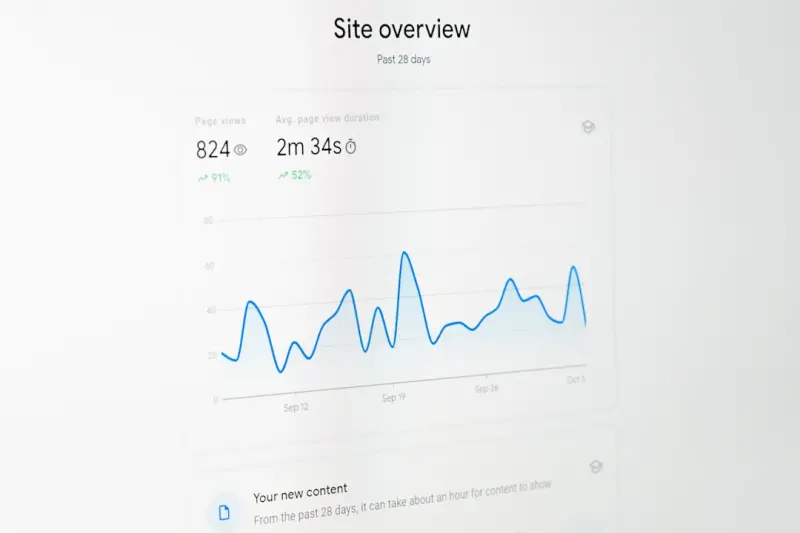
Traditional SEO metrics like organic traffic and keyword rankings remain useful, but when focusing on entities you need to augment your dashboard with entity‑specific KPIs such as knowledge panel impressions, rich result click‑through rates, and entity‑level visibility scores provided by tools like Google Search Console’s “Performance → Entity” report. Tracking the frequency and position of your brand, product, or service entities across SERPs allows you to gauge the effectiveness of your schema implementation and content alignment, while monitoring changes in related entity clusters can reveal emerging opportunities or competitive threats that require strategic adjustments. By establishing a baseline and setting incremental targets for these metrics, you create a data‑driven feedback loop that guides ongoing optimization and demonstrates the tangible ROI of an entity‑centric approach.
Synergizing Entities With Semantic Clustering Strategies
One powerful way to amplify entity relevance is by integrating it with semantic clustering strategies, which organize content into tightly related topic groups that reinforce each other's authority and help search engines discern the broader context of your entity signals. When you map clusters around a core entity—such as a flagship product or industry thought leader—and interlink supporting articles that cover sub‑topics, you create a semantic web that both users and algorithms can navigate intuitively, boosting the topical depth and breadth that knowledge graphs reward. This layered approach ensures that your primary entity benefits from the collective trust and relevance of its surrounding cluster, leading to higher rankings for both the central node and its ancillary pages.
Future‑Proofing With Privacy‑First AI Search and Entity Governance
As search platforms increasingly adopt privacy‑first AI search models that prioritize user consent and on‑device processing, the way entities are surfaced will hinge on transparent data practices and robust entity governance frameworks that respect user privacy while still delivering personalized results. Implementing clear provenance for entity data—such as citing authoritative sources, maintaining up‑to‑date schema markup, and providing mechanisms for users to request corrections—will not only comply with emerging regulations but also signal trustworthiness to search engines that factor data quality into their ranking algorithms. By proactively aligning your entity strategy with privacy‑centric AI initiatives, you position your brand to maintain visibility in a landscape where consent‑driven signals increasingly dictate which entities rise to the top.
Actionable Checklist for an Entity‑First SEO Roadmap
To translate these concepts into concrete steps, start by conducting an entity audit using NLP tools, then prioritize high‑impact entities for schema markup implementation, ensuring you use JSON‑LD and adhere to the latest schema.org specifications. Next, develop dedicated entity hubs that aggregate all relevant attributes, enrich them with internal links to related clusters, and incorporate FAQs to capture long‑tail queries, all while monitoring entity‑level performance metrics in Search Console. Finally, establish an ongoing governance process that reviews entity accuracy, updates structured data as products evolve, and aligns with privacy‑first AI initiatives to future‑proof your SEO strategy against the next wave of algorithmic change.

Lauren Miller is a true outdoors enthusiast who has found her passion in the trades. When she's not working hard on the job, you can find her writing, camping, fishing, and exploring all that nature has to offer. A dedicated partner to her wife Beth, Lauren loves nothing more than spending quality time together and experiencing the great outdoors side by side.
Related Posts

AI‑Driven Search Summaries: A New Playbook for SaaS Visibility
Generative AI is redefining how users find SaaS solutions. This post explores AI‑powered search ov... Read More
Progressive Web Apps: The SEO Playbook You’ve Been Missing
Learn why PWAs are reshaping SEO, how to implement them without losing link equity, and the metrics ... Read More

Decoding JavaScript SEO for SaaS: A Pragmatic Playbook
This guide walks SaaS marketers through the challenges of indexing dynamic JavaScript apps and provi... Read More
Top Posts

Visual Search: The Next Frontier for SEO
Discover why visual search is the emerging battleground for SEO and get practical tips to optimize images, leverage schema, and future‑proof your site against...Read More

Unleashing Facebook’s Untapped SEO Potential for Brands
A fresh look at Facebook SEO reveals hidden opportunities in groups, Reels, Marketplace listings, and Open Graph markup. Learn actionable tactics to turn social...Read More

Turn Customer Reviews into an SEO Engine
Learn to collect, structure, and amplify customer reviews for SEO, using schema markup, crawl‑budget tactics, and social sharing for lasting organic growth....Read More

Beyond Speed: Harnessing Structured Data for Mobile SEO Dominance
I reveal a fresh mobile SEO playbook—leveraging structured data, Core Web Vitals, and next‑gen protocols to outrank competitors and win voice‑search real ...Read More
0 Comments
Post Comment
You will need to Login or Register to comment on this post!