

Imagine a world where every ad you serve feels hand‑crafted for the viewer, yet it’s assembled in milliseconds at scale. That’s the promise of Dynamic Creative Optimization (DCO), a technology that blends data, automation, and storytelling to deliver hyper‑personalized ad experiences. In this post I’ll walk you through why DCO matters, how to build a rock‑solid workflow, and the metrics that truly prove its impact.
Why Dynamic Creative Optimization Matters
Traditional programmatic buying slots static creatives into pre‑defined placements, often missing the nuance that drives engagement. DCO flips the script by swapping headlines, images, calls‑to‑action, and even entire layouts on the fly based on audience signals, device context, and real‑time performance data. Brands that adopt DCO see lift in click‑through rates, lower cost‑per‑acquisition, and a stronger brand‑consumer connection, turning every impression into a conversation starter.
Laying the Data Foundation
The heart of DCO is data—first‑party signals, behavioral cues, and contextual insights that inform which creative elements should appear. Start by consolidating CRM profiles, site analytics, and pixel data into a unified audience schema, then enrich it with predictive scores that anticipate purchase intent. Leveraging tools like AI‑Generated Search Personas can accelerate this process, turning raw numbers into vivid, actionable audience archetypes you can feed directly into your DCO engine.
Designing Modular Creative Assets
Think of each ad as a Lego set: a core framework surrounded by interchangeable modules—headlines, images, offers, and branding badges. By designing assets in a modular fashion, you enable the DCO platform to mix and match components based on the data cues identified earlier. Keep each module concise, on‑brand, and optimized for fast loading; remember, a sluggish asset can nullify the gains of hyper‑personalization.
Automating the Assembly Process
Once you have data and modular assets, automation becomes the engine that assembles the perfect ad in real time. DCO platforms ingest audience attributes, evaluate performance rules, and stitch the chosen modules together before the impression is served. This orchestration happens in milliseconds, allowing you to scale personalized experiences across dozens of inventory sources without manual intervention.
Real‑Time Testing and Learning
Dynamic creative isn’t a set‑and‑forget solution; it thrives on continuous experimentation. Implement multivariate tests that compare different headline‑image combos, offer tiers, and layout variations, then let the DCO algorithm allocate budget toward the winners in real time. Leveraging interactive tools such as heat‑map overlays and instant feedback loops can surface insights that static A/B tests often miss.
Measuring Success Beyond Clicks
Traditional metrics like CTR and CPM only tell part of the story. To truly gauge DCO performance, layer in post‑click metrics—average order value, time‑to‑purchase, and lifetime value—to see how personalized creatives influence the full conversion funnel. Additionally, track incremental lift against a control group to isolate the value added by dynamic elements. For deeper visibility, explore how DCO can help you capture coveted SERP features, as outlined in Unlocking Google SERP Features.
Common Pitfalls and How to Dodge Them
Even the most sophisticated DCO setups can stumble if you overlook data hygiene, creative overload, or latency issues. Bad or stale data leads to mismatched messaging, while too many creative permutations can dilute statistical significance and increase load times. Mitigate these risks by instituting regular data audits, capping the number of active variations, and monitoring server response times to ensure the ad assembly stays under the critical 100‑ms threshold.
The Road Ahead for DCO
As privacy regulations tighten and cookie‑less tracking becomes the norm, DCO will lean more heavily on contextual signals and first‑party data to drive relevance. Emerging AI‑generated creative modules promise to auto‑generate copy and visuals that adapt to real‑time trends, further reducing the manual lift for marketers. Embracing these advancements now positions your brand at the forefront of a new era where every impression feels uniquely yours.

Allison Jarvis is a dynamic digital media and marketing professional dedicated to driving brand growth through impactful storytelling. With a sharp eye for market trends and a passion for data-driven strategies, she specializes in building cohesive online identities that resonate with modern audiences. Allison blends creative content production with robust analytics to maximize engagement and deliver measurable ROI. She continuously explores emerging digital tools to keep her projects ahead of the curve.
Related Posts

Privacy‑First Digital Marketing Strategies for SaaS Growth
Privacy is no longer a compliance checkbox; it’s a competitive advantage. This guide shows SaaS ma... Read More

Chat‑First Strategies to Supercharge SaaS Demand
A deep dive into building a chat‑first funnel for SaaS, covering psychology, technology stack, met... Read More
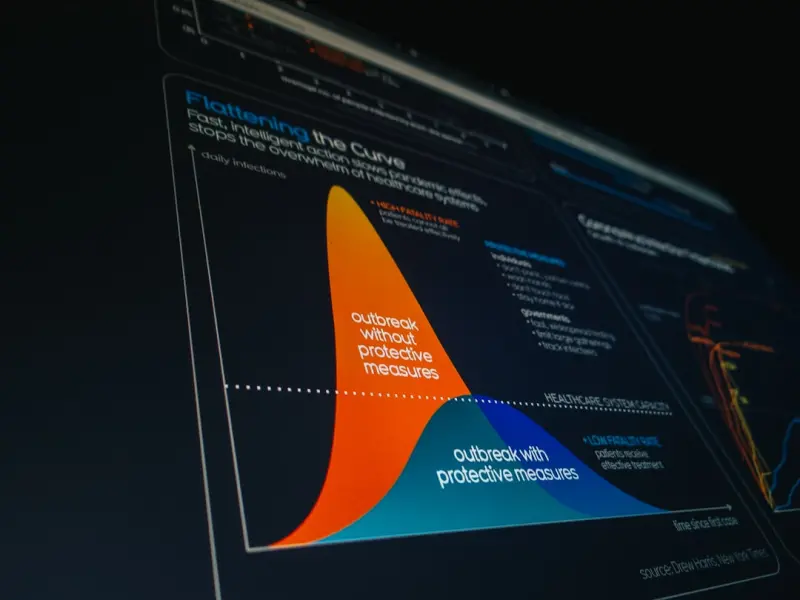
Predictive Personalization: Turning First‑Party Data into Real‑Time B2B Wins
Predictive personalization uses first‑party data and machine learning to deliver real‑time, rele... Read More
Top Posts

Mapping the Semantic Navigation Blueprint for SaaS On‑Page SEO
A clear, hierarchical navigation system is the unsung hero of on‑page SEO. Learn how to design a semantic navigation blueprint, distribute link equity, and im...Read More
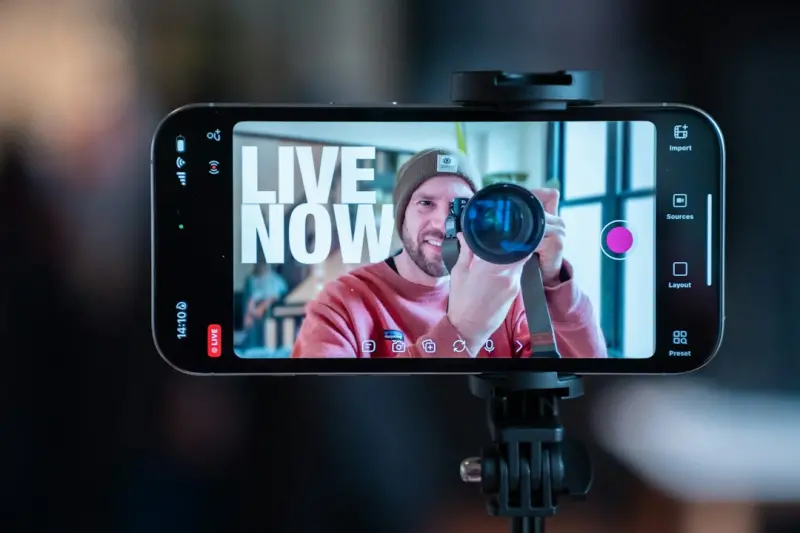
Shoppable Livestreams: Turning Viewers into Buyers
Shoppable livestreams blend real‑time video with embedded purchase options, letting brands showcase products, interact instantly, and convert viewers on the s...Read More

Level Up Your Store: How Gamification Boosts eCommerce Sales
Gamification transforms shopping into an interactive experience that boosts engagement, average order value, and brand loyalty. Learn practical tactics and a 30...Read More

Unlocking Hyper‑Local Growth: The Territory Intelligence Engine for SaaS
A fresh, data‑centric approach to local SEO shows SaaS companies how to turn zip‑code signals into a scalable growth engine, using structured markup, AI‑o...Read More
0 Comments
Post Comment
You will need to Login or Register to comment on this post!