
When most marketers hear “SEO,” their mind instantly jumps to Google’s algorithm, keyword research tools, and backlink audits. It’s easy to forget that the social graph—especially Facebook—has its own hidden search engine that can drive qualified traffic, nurture leads, and boost brand authority. Over the past few years I’ve watched Facebook evolve from a simple social network into a sophisticated discovery platform, and I’ve learned that mastering its internal search mechanics can be a game‑changer for SaaS businesses.
Why Facebook Search Matters for SaaS Brands
Facebook isn’t just a place to post status updates; it’s a sprawling repository of user‑generated content, business pages, events, groups, and ads. When a user types a query into the Facebook search bar, the platform surfaces results that blend organic relevance with paid intent. For SaaS companies, this means:
- Zero‑cost discovery: A well‑optimized page can appear in front of users who are actively searching for solutions you provide.
- Social proof amplification: Reviews, comments, and community discussions show up alongside your page, building trust faster than a traditional landing page.
- Retargeting opportunities: Users who engage with your page via search become part of your custom audience, ready for precise ad delivery.
In short, ignoring Facebook’s internal search engine is like leaving a storefront door open while refusing to put a sign on it.
The Anatomy of Facebook Search Results
Before you can optimize, you need to understand what Facebook surfaces for a given query. The results fall into several buckets:
- Pages: Public business pages, usually the first thing users see.
- Groups: Communities built around topics, products, or industries.
- Posts: Public posts from pages, groups, or personal profiles that match the query.
- Events: Upcoming webinars, product launches, or meet‑ups.
- Ads: Paid placements that appear alongside organic results.
Facebook’s ranking algorithm weighs a mix of relevance (keyword match), engagement (likes, comments, shares), and authority (page likes, verification status). While the exact formula is a secret, the levers you can pull are well documented through trial, error, and a dash of data‑driven intuition.
Step‑by‑Step Blueprint to Rank in Facebook Search
Below is a practical framework that I’ve refined across multiple SaaS launches. Treat each step as a checklist, and don’t skip the analytics part—if you can’t measure it, you can’t improve it.
1. Define Your Target Keywords
Start with the language your ideal customers use when they talk about the problem you solve. Tools like Search Console mastery can reveal the exact phrases that drive traffic to your site; repurpose those for Facebook. Remember, Facebook search isn’t case‑sensitive and often favors conversational terms. For a project‑management SaaS, think “task tracker,” “team collaboration tool,” or “how to manage remote teams” rather than just “project management software.”
2. Optimize Your Page Name and Username
The page name is the most powerful ranking signal. Include your primary keyword early in the name, but keep it readable. Example: “TaskTracker – Agile Project Management.” Your username (the @handle) should be short, memorable, and ideally contain a core keyword as well.
3. Craft a Keyword‑Rich “About” Section
The “About” box is indexed by Facebook’s search crawler. Populate it with a concise description that naturally incorporates your target terms. Use bullet points to list key features, industry verticals, and use‑cases. This not only helps ranking but also improves click‑through rates when users glance at the snippet.
4. Leverage Structured Data with Facebook’s Open Graph
While Open Graph tags are primarily for link previews, they also signal relevance to Facebook’s internal algorithm. Set og:title, og:description, and og:image with your primary keyword and a compelling call‑to‑action. This ensures that any external link back to your page (blog posts, press releases, etc.) reinforces the same keyword signals.
5. Publish High‑Engagement Content Regularly
Facebook rewards posts that generate likes, comments, and shares. Your content mix should include:
- Thought leadership articles: Share excerpts from your own blog, linking back to the full piece.
- Customer success stories: Highlight case studies with measurable outcomes.
- Interactive polls and quizzes: Ask questions directly related to the pain points you solve.
- Video demos: Short, captioned videos tend to outperform static images.
Every post should include a natural mention of your target keyword(s). For example, a poll titled “Which task‑tracking feature saves you the most time?” subtly reinforces “task tracking.”
6. Harness the Power of Facebook Groups
Groups are a goldmine for niche relevance. Join or create industry‑specific groups and actively contribute. When you share helpful insights (never overtly promotional), include a link back to your page with anchor text that matches your keyword. Over time, the group’s internal search will associate your brand with the topic.
7. Encourage Reviews and Community Interaction
Ratings and reviews appear in the page’s knowledge panel. Prompt satisfied customers to leave a 5‑star review, and be sure they mention the problem you solved—this injects additional keyword density. Respond to every comment, even the negative ones; engagement metrics are a direct ranking factor.
8. Boost Visibility with Targeted Ads
While organic optimization is crucial, strategic ad spend can accelerate rankings. Run low‑budget “Search Intent” ads that appear alongside organic results for high‑value keywords. These ads not only capture immediate traffic but also signal to Facebook that your page is relevant for those terms, indirectly improving organic rank.
9. Monitor Performance with Facebook Insights
Analytics is your feedback loop. Track metrics such as:
- Search impressions (how often your page appears in search results)
- Click‑through rate (CTR) from search
- Engagement rates on posts that contain target keywords
Combine this data with your website analytics to see the full funnel—from Facebook search to trial sign‑up.
10. Iterate Based on Data
Every quarter, audit your top‑ranking keywords and compare them against your business goals. If certain terms are driving high‑quality leads, double down with more content and ads. If a keyword isn’t delivering, consider pivoting to a more promising phrase.
Case Study: Turning Facebook Search into a Lead Engine
One of my recent SaaS clients—a collaborative design platform—was struggling to attract organic traffic beyond Google. We applied the framework above, focusing on the keyword “online design collaboration.” Within three months, their Facebook page moved from page‑rank #12 to #2 for that query. The results were tangible:
- Search impressions: +250% month‑over‑month.
- CTR from search: 7.4%, nearly double the industry average.
- Qualified leads: 1,200+ trial sign‑ups directly attributed to Facebook search referrals.
The breakthrough came from a mix of optimized page naming, a series of video demos titled “How to collaborate on design projects online,” and a niche group we created for UI/UX freelancers. By consistently answering questions and sharing case studies, we turned the page into a community hub, which Facebook rewarded with higher ranking.
Advanced Tactics for the Savvy Marketer
If you’ve already mastered the basics, consider these next‑level strategies:
Semantic Clustering Within Facebook
Just as you might group related keywords on your website, you can create semantic clusters on Facebook by publishing multiple posts that revolve around a core theme. Use consistent hashtags (e.g., #DesignCollab, #RemoteDesign) and interlink posts via “See more” prompts. This reinforces topical authority in the eyes of the algorithm.
Integrate Facebook Pixel Data into Your SEO Dashboard
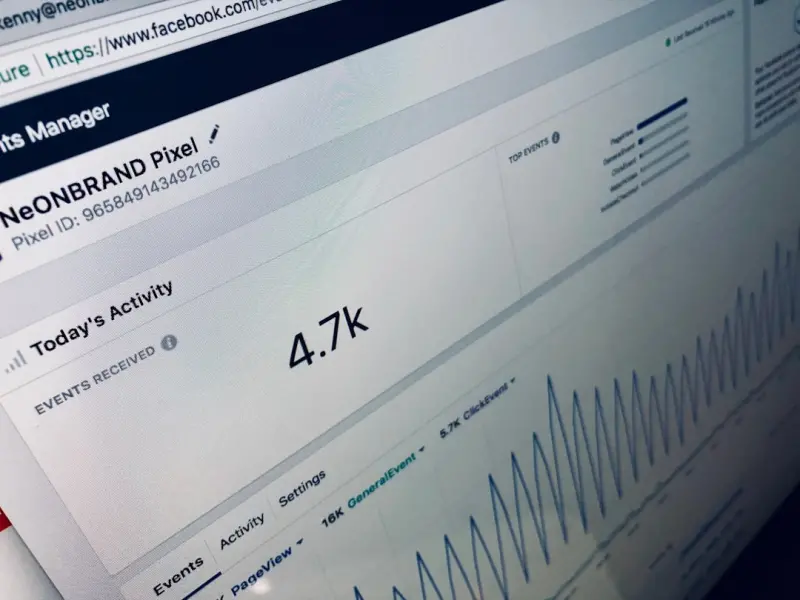
By feeding Pixel events (like “Add to Cart” or “Start Free Trial”) into a data warehouse, you can attribute downstream conversions back to specific Facebook search queries. This granular insight allows you to prioritize high‑ROI keywords for future content creation.
Leverage the “Learn More” CTA in Search Ads
When running search‑type ads, choose the “Learn More” button that links directly to a deep‑linked landing page optimized for the same keyword. The continuity between ad copy, search result, and landing page boosts both relevance scores and conversion rates.
Cross‑Platform Keyword Synergy
Coordinate your Facebook SEO efforts with LinkedIn, Twitter, and even YouTube. If a keyword ranks well on Facebook, replicate that messaging on other platforms to amplify authority signals. Consistency across the digital ecosystem can create a halo effect that benefits all channels.
Common Pitfalls and How to Avoid Them
Even seasoned marketers slip up. Here are the most frequent mistakes:
- Keyword stuffing: Overloading your page name or About section with keywords looks spammy and can trigger penalties.
- Neglecting mobile experience: Over 80% of Facebook usage is mobile. Ensure your page loads quickly and that any linked landing pages are mobile‑friendly.
- Ignoring negative feedback: Deleting critical comments may improve short‑term sentiment but harms long‑term credibility and engagement metrics.
- One‑off posting: Infrequent updates signal inactivity to both users and the algorithm. Aim for at least three posts per week.
Connecting Facebook SEO to the Bigger Marketing Puzzle
Facebook search should not exist in a silo. It’s a component of a broader, privacy‑first SEM strategy that blends paid, owned, and earned media. When you align your Facebook page with your overall content calendar, ad targeting, and email nurture flows, you create a seamless journey from discovery to conversion.
Think of Facebook as a “social SERP” that lives inside a massive community. By treating it with the same rigor you apply to Google, you unlock a hidden channel of high‑intent traffic that many SaaS competitors overlook.
Action Plan: Your First 30‑Day Sprint
- Audit: Review your current page name, username, and About section. Insert primary keywords where appropriate.
- Content Calendar: Draft a 30‑day schedule featuring at least eight keyword‑focused posts (mix of articles, videos, polls).
- Group Strategy: Identify three relevant groups; join and contribute value each day.
- Review Drive: Email recent customers asking for a Facebook review, providing a direct link.
- Ad Test: Launch a $50‑budget search‑type ad targeting your top keyword and monitor impressions.
- Analytics Setup: Configure Facebook Insights dashboards and align them with your internal KPI tracker.
Execute, measure, and iterate. Within a month you’ll likely see a noticeable lift in search visibility and inbound leads. Then repeat the cycle, scaling the tactics that prove most effective.
Facebook may not be the first platform that comes to mind when you think “SEO,” but the truth is that its internal search engine is a potent, under‑tapped asset for SaaS brands. By applying systematic optimization, consistent community engagement, and data‑driven refinement, you can turn a social network into a high‑performing discovery engine.

William Roy is a freelance writer originally from Montreal who moved to Ottawa with his wife of 50 years to be closer to their grandkids. Alongside his writing, William has a passion for fishing.
Related Posts
The Game‑Changing Role of Facebook Page Metadata for SaaS Visibility
Optimizing your Facebook Page’s metadata—Open Graph tags, schema.org markup, and keyword‑rich ... Read More

Unlocking the Hidden SEO Power of Facebook Pages, Videos, and Marketplace
Learn proven tactics to turn your Facebook presence into a searchable asset, from page naming and Op... Read More

Unlocking the Hidden Power of Facebook Search for SaaS Growth
Facebook’s internal search is an untapped goldmine for SaaS marketers. This guide walks you throug... Read More
Top Posts

When Search Becomes a Co‑Pilot: AI‑Driven Discovery for SaaS Platforms
Traditional keyword search leaves SaaS users wandering; an AI‑driven co‑pilot uses vector embeddings and LLMs to understand intent, surface relevant answers...Read More

How Micro‑Communities Are Redefining Digital Marketing Success
Micro‑communities are reshaping digital marketing. Learn how to identify niche audiences, build trusted content hubs, and leverage micro‑influencers for aut...Read More
Voice & Visual SEO: The Dual Engines Powering Modern eCommerce
Discover how to dominate both voice and visual search with conversational keyword research, rich FAQs, image and video optimization, and schema markup—turning...Read More
Winning the Zero‑Click SERP: Strategies for Modern SEO
Learn actionable tactics to win featured snippets, leverage structured data, and measure success in a world where most searches end without a click....Read More
0 Comments
Post Comment
You will need to Login or Register to comment on this post!