

When most marketers think about on‑page SEO, the first image that pops into their head is a checklist of keyword density, title tags, and meta descriptions. That’s a useful starting point, but it’s only the tip of the iceberg. In today’s SERP environment, search engines have grown sophisticated enough to evaluate the whole experience a page delivers—from the way content is organized, to how fast it loads, to the subtle signals that tell a crawler whether the page truly satisfies user intent.
Why “Experience” Has Become a Ranking Signal
Google’s ranking algorithm now incorporates a suite of “page experience” metrics, most famously Core Web Vitals. But beyond raw load times, Google also looks at:
- Interaction readiness – does the page respond to taps, clicks, and keyboard navigation without lag?
- Content relevance – does the page answer the query in a way that feels comprehensive?
- Visual stability – are layout shifts kept to a minimum, preserving readability?
When these signals line up, the page is perceived as trustworthy and useful, and the rankings reward it accordingly. The lesson? On‑page SEO is no longer a collection of isolated tags; it’s a holistic design philosophy.
1. Architecture First: Mapping Content Silos
Before you type a single sentence of copy, sketch a content silo. Think of each silo as a thematic island that clusters related topics under a single pillar page. This structure serves three purposes:
- Clarifies topical authority for search engines, allowing them to see you as the go‑to resource for a subject.
- Guides internal linking equity so link juice flows logically from high‑level pages to deeper, long‑tail assets.
- Improves user navigation by presenting a clear pathway from broad overviews to detailed solutions.
Start with a keyword intent map (think “informational,” “transactional,” “navigational”) and group terms that share a common semantic thread. Then assign each group a pillar page, and flesh out supporting articles that answer specific sub‑questions. The result is a semantic SEO framework that both users and crawlers love.
2. Headings as Hierarchical Signposts
HTML heading tags (H2, H3, H4…) are not just decorative; they are the scaffolding that tells a search engine the relative importance of each section. Misusing them—like cramming multiple H2s with unrelated topics—confuses crawlers and dilutes relevance.
Best practices:
- One H1 per page that encapsulates the primary keyword phrase.
- H2s for major sub‑topics that align with the pillar’s thematic clusters.
- H3s and deeper headings for granular points that support the H2’s thesis.
When you maintain a logical hierarchy, you enable “entity extraction” engines to map concepts more accurately, feeding the broader topical authority you’re building.
3. The Power of Strategic Internal Links
Internal linking is the circulatory system of your site. Every link you place is a conduit for “link equity” and a cue to crawlers about the relative importance of pages. However, many teams treat internal links as afterthoughts, sprinkling them where convenient rather than where strategic.
Follow this three‑step process:
- Identify cornerstone pages (typically pillar content) that you want to rank for core topics.
- Audit existing links using a crawler or server log analysis—yes, server log insights can reveal which internal pages Google actually crawls and how often.
- Place contextual links within the body copy of supporting articles, using natural anchor text that reflects the target page’s focus.
Remember: the anchor text should be descriptive but not overly optimized. “Read more about X” is weak; “Learn how to integrate X into your SaaS workflow” is strong and user‑centric.
4. Optimizing for Zero‑Click Results
Google’s “featured snippets,” “People Also Ask,” and “knowledge panels” have turned many queries into zero‑click experiences. While this may seem like a loss of traffic, it actually positions your brand as the authority at the top of the SERP.
How to increase your chances of being featured:
- Answer a question directly within the first 40–50 words of a paragraph.
- Use bullet‑point or numbered lists when the answer can be broken down into steps.
- Include concise, factual tables for comparative data.
- Structure the surrounding content with clear H2/H3 headings that match the query’s intent.
By designing sections expressly for snippet eligibility, you capture visibility even when users don’t click through.
5. Leveraging Microcopy for Intent Signals
Microcopy—those tiny bits of text like button labels, placeholder text, and error messages—may seem trivial, but they provide valuable semantic clues. When a CTA reads “Download the free API guide,” the page instantly signals relevance for “API documentation download.”
Tips for effective microcopy:
- Be specific—instead of “Submit,” use “Get your free trial report.”
- Embed keywords naturally where they enhance clarity.
- Maintain consistency across the site to reinforce brand voice and aid crawlers in pattern recognition.
6. Image SEO Beyond Alt Text
Images are a powerful engagement tool, but they also present SEO opportunities. While alt attributes remain essential for accessibility and basic keyword relevance, modern crawlers also evaluate:
- File names—use descriptive, hyphenated names (e.g., saas-dashboard-analytics.png).
- Structured image data—implement
ImageObjectschema for product screenshots or infographics. - Compressed, next‑gen formats (WebP, AVIF) that improve Core Web Vitals.
When you pair optimized images with a thoughtful <picture> element that serves the most appropriate format per device, you boost both speed and relevance.
7. The Role of Structured Data in On‑Page Context
Even though we’ve already covered the basics of schema markup elsewhere, it deserves a mention here because it bridges the gap between raw content and SERP features. For on‑page SEO, focus on these high‑impact types:
- FAQ schema—turns a well‑crafted Q&A block into a potential rich result.
- How‑To schema—ideal for tutorial‑style SaaS guides.
- Product schema—captures pricing, availability, and review snippets for SaaS packages.
Implementing these schemas in JSON‑LD (the preferred format) provides a clean separation from visible content, preserving user experience while feeding search engines the exact data they need.
8. Mobile‑First Content Prioritization
Google’s mobile‑first indexing means the content you serve to smartphones is the content that counts. It’s not enough to simply shrink the desktop layout; you must consider what content appears first on a small screen. Prioritize:
- Critical value propositions above the fold.
- Primary CTA within the first viewport.
- Scannable headings that let users quickly locate the information they need.
When mobile users find their answer instantly, dwell time improves, bounce rates drop, and the page earns a stronger ranking signal.
9. Continuous Feedback Loops: From Data to Tweaks
On‑page SEO isn’t a set‑and‑forget discipline. Use analytics, heatmaps, and, yes, server logs to observe how users interact with each element. Look for patterns such as:
- High exit rates on a particular section—maybe the copy isn’t delivering the promised value.
- Low click‑through on internal links—perhaps the anchor text is vague.
- Slow loading times on image‑heavy pages—indicating a need for further compression.
Iterate based on these insights. A/B test headline variations, adjust meta tags, and refine internal link placement. Over time, you’ll notice incremental ranking lifts that compound into meaningful traffic gains.
10. A Checklist for the Modern On‑Page Optimizer
Wrap everything up with a quick reference you can paste into your SEO workflow:
- Keyword intent mapping – align primary and secondary terms with user goals.
- Content silo diagram – visualize pillar and supporting pages.
- One H1, logical H2/H3 hierarchy – reflect the content flow.
- Strategic internal linking – use contextual anchor text, audit with server logs.
- Snippet‑friendly sections – concise answers, lists, tables.
- Microcopy audit – ensure clarity and keyword presence.
- Image optimization – descriptive filenames, next‑gen formats, ImageObject schema.
- Rich result markup – FAQ, How‑To, Product schema as appropriate.
- Mobile‑first priority – above‑the‑fold value on small screens.
- Data‑driven iteration – leverage analytics and server logs for continuous improvement.
By treating each of these items as a living component rather than a static checklist, you’ll create pages that not only rank but also genuinely serve your audience’s needs.
Final Thoughts: From Checklist to Craftsmanship
On‑page SEO has evolved from a mechanical set of rules to an art of crafting experiences that satisfy both humans and machines. When you approach each page as a mini‑product—complete with user research, thoughtful architecture, and continuous performance monitoring—you’ll see rankings improve organically, and the brand authority you build will echo across your entire digital presence.

Kris M. Chen is a dedicated legal paralegal based in Texas, specializing in delivering comprehensive case management and litigation support. Known for a meticulous approach to legal research and document preparation, Kris plays a vital role in navigating complex legal workflows and ensuring seamless trial preparation.
Related Posts

Unlock Hidden Growth: A Fresh Take on On‑Page SEO Pruning and Refresh Strategies
Learn how strategic content pruning, intent‑aligned on‑page elements, and core web vitals can re... Read More

Building Semantic Hubs: A New Playbook for On‑Page SEO Dominance
Learn how to design and implement semantic hubs—a network of interlinked, entity‑rich pages—th... Read More

The Secret Sauce of On‑Page SEO: Continuous Content Refresh for SaaS Growth
Learn a disciplined, data‑driven framework called Continuous Content Refresh (CCR) that keeps SaaS... Read More
Top Posts
Turning Mobile Traffic into SaaS Leads: A Deep‑Dive into Mobile SEO Tactics
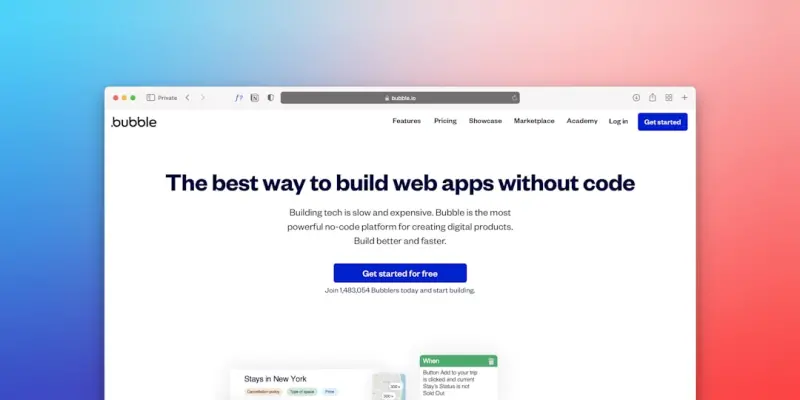
Mobile SEO is now a critical acquisition channel for SaaS businesses. This post walks you through Core Web Vitals, PWAs, app indexing, voice search, and structu...Read More
Intent‑First SEO: Transform Your Rankings with User‑Centric Strategies
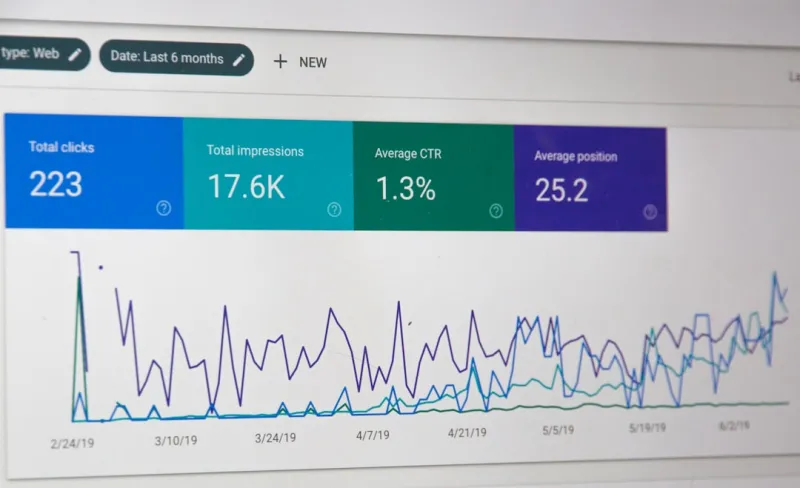
Learn why intent‑first SEO is essential, how to map content to user intent, and the technical steps to boost rankings while delivering real value to searchers...Read More

Turning Checkout Friction into Loyalty: A Real‑Time, Personalized Approach
Learn how to convert cart abandonment into brand advocacy by detecting checkout friction in real time, delivering personalized help, and rewarding shoppers inst...Read More

Why Progressive Web Apps Demand a New Technical SEO Playbook
A deep dive into the unique SEO challenges of Progressive Web Apps, offering practical tactics to ensure crawlers see your content, optimize performance, and ma...Read More
0 Comments
Post Comment
You will need to Login or Register to comment on this post!