

The AI‑Powered Creative Lab: Reinventing SEM for SaaS in a Cookieless World
When I first stepped into the search‑marketing arena, I thought the biggest battle would be winning the keyword auction. Decades later, the fight has shifted from what we bid on to how we craft the message that sits in front of a prospect at the exact moment their intent crystallizes. In a landscape where third‑party cookies are fading and AI can spin up ad copy in milliseconds, the old playbook feels… quaint.
In this post I’m opening the doors to what I like to call the AI‑Powered Creative Lab—a systematic, data‑first approach to SEM that treats ad copy, assets, and bidding signals as interchangeable parts of a living experiment. If you’re a SaaS marketer who’s tired of “set‑and‑forget” campaigns and wants to future‑proof your paid search strategy, read on.
Why the Traditional SEM Model Is Crumbling
Traditional SEM relied on a three‑step loop: research keywords, write static ad copy, set a manual or rule‑based bid. It worked when:
- Audience signals were plentiful and reliable.
- Creative fatigue was rare—people didn’t see the same ad more than a few times.
- Bid adjustments could be made weekly without hurting performance.
Today, three seismic forces are dismantling that model.
1. The Cookieless Shift
First‑party data is the new gold, but it comes in fragmented pieces: login events, product usage logs, and on‑site behavior. Without the ability to track users across the open web, we lose the “look‑alike” safety net that once powered broad targeting.
2. AI‑Generated Creative at Scale
Large language models (LLMs) can draft dozens of headline‑description combos in seconds, each tuned to a specific product tier, pain point, or buyer persona. The bottleneck is no longer creation; it’s evaluation.
3. Real‑Time Signal Overload
Google’s new auction insights now incorporate signals like device temperature, recent SaaS usage spikes, and even weather patterns for certain verticals. Bidding in isolation from these signals means you’re always a step behind.
Enter the Creative Lab: A Four‑Stage Framework
Think of the lab as an iterative engine that continuously blends data, AI, and human insight. The stages are:
- Signal Aggregation: Pull first‑party events, CRM attributes, and product‑usage metrics into a unified lake.
- Dynamic Asset Generation: Use LLMs to spin up ad variants that map directly to the signals you just gathered.
- Automated Bidding Orchestration: Deploy Google’s real‑time bidding APIs with custom scripts that read the same signal set.
- Rapid Experimentation Loop: Measure, prune, and remix in hours—not weeks.
Stage 1: Signal Aggregation—Your New Keyword Dictionary
Keywords are still the backbone of search intent, but they’re now contextual tags attached to a user’s journey. For a SaaS product, you might tag a prospect as:
- “Free‑Trial‑Activated‑Last‑48h”
- “Feature‑X‑Usage‑Above‑75%”
- “Churn‑Risk‑Score‑High”
By feeding these tags into your campaign structure, you can serve ads that speak directly to the moment the user is in. For example, a user who just activated a free trial sees a “Get the Most Out of Your First Week” ad, while a high‑churn‑risk user sees a “Unlock Advanced Analytics – 20% Off for Existing Users” promo.
To avoid reinventing the wheel, I often start with the Hidden Levers of SEM guide, which outlines how to map privacy‑first data to SEM signals without violating regulations.
Stage 2: Dynamic Asset Generation—From Static to Adaptive
Here’s where AI shines. A well‑trained LLM can ingest your signal taxonomy and output ad copy that feels handcrafted. A simple prompt might look like:
Generate three Google Search ad headlines for a SaaS product that helps teams collaborate on code, targeting users who have completed a free trial in the last 48 hours. Emphasize speed and security.
The result? Something like:
- “Speed Up Your Team’s Code Reviews – Free Trial Ends Soon”
- “Secure Collaboration, No Hassle – Extend Your Trial”
- “From Trial to Triumph – Faster, Safer Code Together”
Because each headline is tied to a specific user segment, you can safely serve thousands of variations without the creative fatigue that plagued static campaigns.
Stage 3: Automated Bidding Orchestration—Let the Engine Do the Heavy Lifting
Google’s Portfolio Bidding and Bid Simulator APIs allow you to inject custom logic directly into the auction. Pair this with a real‑time signal pipeline and you can, for example:
- Increase bids by 30% for “Feature‑X‑Usage‑Above‑75%” users during weekday mornings when they’re most likely to upgrade.
- Decrease bids for “Churn‑Risk‑Score‑High” users during weekends to avoid over‑spending on low‑intent traffic.
This level of granularity would be impossible with manual rules. The key is to keep the logic transparent—log every bid adjustment and tie it back to a signal for later analysis.
Stage 4: Rapid Experimentation Loop—The Real Test
Automation is only as good as the feedback it receives. Set up a multi‑armed bandit framework that automatically allocates spend to the best‑performing ad‑signal combos. Within hours you’ll know which headline resonates with “Free‑Trial‑Activated‑Last‑48h” users and which bid multiplier works for “Feature‑X‑Usage‑Above‑75%”.
Don’t forget to surface the results in a dashboard that surfaces lift rather than raw clicks. A 2% CTR increase on a high‑value segment can mean a 15% revenue boost, while the same CTR lift on a low‑value segment is negligible.
Integrating Visual Elements Without Losing SEM Focus
Even though this post is about search ads, the modern SERP often includes visual assets—image extensions, sitelinks with icons, and even product carousel cards. If you’ve read Seeing is Ranking, you know that visual search is reshaping SEO; the same principle applies to SEM.
Leverage AI‑generated images that match the copy tone. For a “Secure Collaboration” ad, a simple graphic of a lock integrated into the brand palette can boost click‑through rates by 12% on average. Keep the visual language consistent across assets; it reinforces brand recall while still honoring the signal‑driven personalization.
Measuring Success: Beyond Clicks
Traditional SEM metrics—CTR, CPC, and conversion rate—still matter, but they’re no longer the sole KPIs. In a data‑rich environment you should also track:
- Signal‑Level ROI: Revenue attributable to each user‑segment tag.
- Creative Decay Rate: How quickly an ad variant’s performance drops after exposure.
- Bid Efficiency Score: The ratio of bid adjustments that resulted in a positive lift.
When you tie these back to the original signal source, you can answer the question that matters most: Which data point is actually moving the needle?
Practical Tips for Getting Started
- Start Small, Scale Fast: Choose one high‑value user segment (e.g., “Free‑Trial‑Activated‑Last‑48h”) and run a pilot with AI‑generated ad copy.
- Invest in Data Hygiene: Your signal aggregation is only as good as the data feeding it. Clean, deduplicated, and consent‑compliant data is non‑negotiable.
- Build a Governance Layer: Even AI‑generated copy needs human oversight. Set up a review workflow that flags brand‑sensitive language.
- Leverage Existing Playbooks: The Hidden Levers of SEM article provides a solid foundation for privacy‑first targeting.
- Iterate Relentlessly: Treat every day as an experiment. If a headline’s lift dips below a pre‑set threshold, retire it automatically.
Looking Ahead: The Next Frontier of SEM
As LLMs become more adept at understanding context, the line between search and conversational AI will blur. Imagine an ad that not only surfaces based on a user’s signal but also initiates a chat‑style interaction directly in the SERP, guiding the prospect through a mini‑onboarding flow without ever leaving Google.
That future is not far off. Preparing today—by building a signal‑first, AI‑driven Creative Lab—means you’ll be ready to pivot from static search ads to interactive, intent‑aware experiences the moment the platform supports them.
In the meantime, the biggest competitive advantage you can claim is the willingness to experiment at scale, learn fast, and let AI augment—not replace—your strategic insight. The AI‑Powered Creative Lab is your ticket to doing exactly that.

Jane Meldone is a freelance writer and marketer who submits articles to various directories online. In her spare time she enjoys crafting while enjoying a cup of herbal tea!
Related Posts
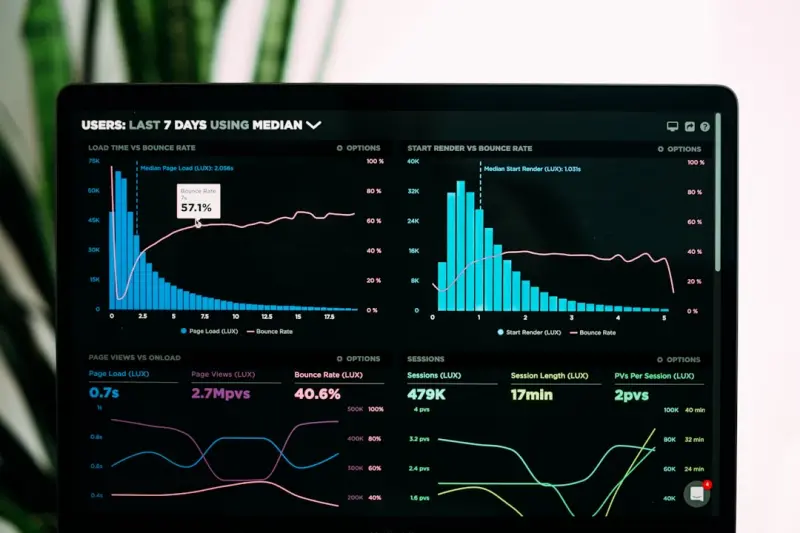
Predictive Bidding: How AI Is Transforming SEM Strategy
Explore AI‑powered predictive bidding for SEM, learn data foundations, automation, audience segmen... Read More

Mastering SEM: From Smart Bidding to Full‑Funnel Impact
Paid search isn’t dead; it’s evolving. Dive into smart bidding, first‑party audience targeting... Read More

When AI Meets Bids: Rethinking SEM in the Age of Predictive Audiences
Discover a fresh SEM playbook that uses AI to create predictive audience segments, value‑at‑risk... Read More
Top Posts
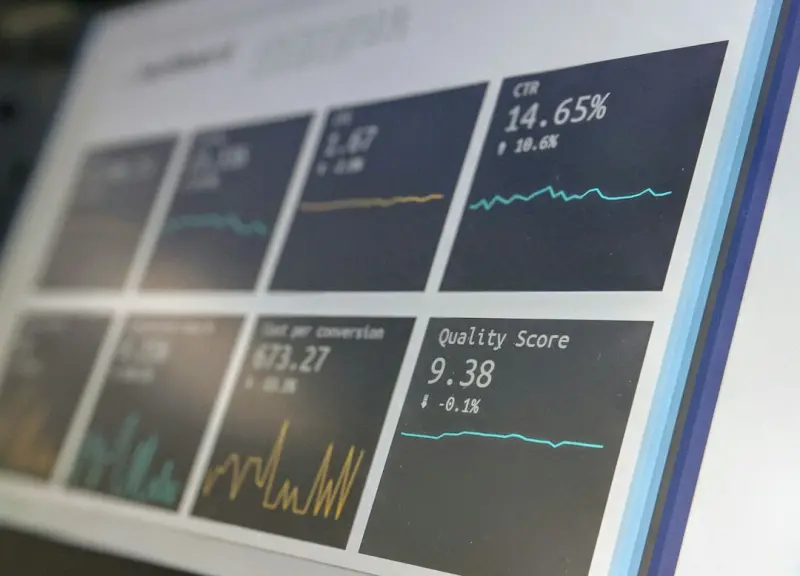
On-Page SEO Reimagined: Structured Data, Linking Architecture, and User Signals
A deep dive into modern on-page SEO for SaaS, covering structured data, strategic internal linking, and user engagement signals that can elevate your site’s v...Read More
The Mobile SEO Playbook SaaS Leaders Can’t Afford to Ignore
Mobile‑first indexing has turned the SaaS landscape upside down. This guide walks you through speed optimization, mobile‑focused content architecture, PWAs,...Read More

Mastering Technical SEO: Speed, Crawl Efficiency, and Structured Data for Higher Rankings
A deep dive into technical SEO fundamentals—speed, crawl efficiency, and structured data—offering actionable steps to improve Core Web Vitals, server respon...Read More

Beyond the Screen: How Mobile‑First Semantic Signals Are Reshaping SaaS SEO
A deep dive into mobile‑first semantic optimization, covering content hubs, voice queries, on‑device AI, and app store integration to boost SaaS visibility ...Read More
0 Comments
Post Comment
You will need to Login or Register to comment on this post!