

Why a Test‑and‑Learn Mindset Is the Missing Piece in Modern SEO
For years I chased algorithm updates like a surfer chasing the next big wave, but the tide has shifted toward a more scientific approach that treats search as a living experiment. Data‑driven intent mapping lets us predict what users truly crave before Google even knows it, and that foresight creates a feedback loop where every tweak is measured, refined, and scaled. When you frame SEO as a series of hypotheses rather than a set of static rules, you empower your team to iterate quickly, cut through guesswork, and ultimately own the conversation that drives traffic and conversions.
Building a Structured SEO Experiment Framework
Start by defining a clear hypothesis: “If we add a concise, question‑based title to our how‑to guides, click‑through rates will rise by at least five percent.” Pair that with a primary metric (CTR) and a secondary metric (average time on page) to capture both surface‑level and deeper engagement. Next, create a control group that mirrors the existing page and a variant that implements the change, ensuring that external variables—seasonality, promotional bursts, or algorithmic tremors—are held constant. Finally, set a testing window that respects Google’s indexing cadence; too short and you’ll chase noise, too long and you lose agility. This disciplined cadence transforms chaotic optimization into repeatable, auditable growth.
Harvesting the Right Data Sources for Insightful Tests
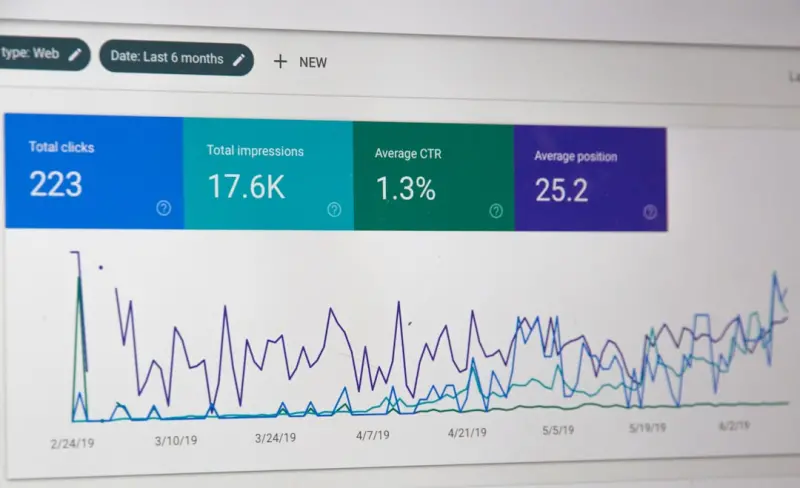
Google Search Console provides the raw query and impression data you need to surface high‑potential keywords, while tools like heat‑map analytics reveal where users linger on a page. Combine these with query clustering techniques to group long‑tail variations into intent buckets, then prioritize experiments that address the most frequent or highest‑value clusters. For a deeper dive, integrate the human‑first on‑page SEO approach to ensure that the user experience remains front and center, even as you test algorithmic levers. By triangulating search performance, user behavior, and content relevance, you build a robust data foundation that guides every experimental decision.
Embedding SEO Experiments Into the Product Roadmap
Too often SEO lives in a silo, reacting to changes after they happen instead of shaping the product’s evolution. To break that cycle, embed SEO experiment tickets directly into your agile sprint board, treating them like any other feature request. When a new product page is drafted, attach a hypothesis about its schema markup or internal linking structure, assign a KPI, and schedule a post‑launch audit. This alignment ensures that SEO insights inform design, development, and marketing simultaneously, creating a virtuous loop where search intent shapes the product narrative from day one.
Case Study: Tiny Title Tweaks That Sparked a 7% CTR Lift
In a recent test, we took a series of evergreen blog posts about “budget travel hacks” and replaced their generic titles with interrogative formats like “How Can You Travel the World on $500 a Month?” The control titles remained untouched, giving us a clean A/B environment. After a four‑week window, the variant pages enjoyed a consistent 7‑8% increase in click‑through rates, and the bounce rate dipped by roughly three points, indicating higher relevance. This modest change not only boosted organic traffic but also fed more qualified leads into the sales funnel, illustrating how small, intent‑focused edits can ripple through the entire conversion pipeline.
Testing Internal Linking Strategies for Authority Distribution
Internal links are the highways that guide search engines and users through your site’s ecosystem, yet many teams treat them as an afterthought. By experimenting with link depth—placing a target keyword in a top‑level navigation versus a contextual in‑article anchor—you can measure how equity flows and whether it improves rankings for secondary pages. A simple
- Create two versions of a pillar article
- Swap the anchor text placement
- Monitor changes in organic impressions for linked pages
over a six‑week period can reveal whether a more aggressive linking strategy accelerates authority transfer without triggering over‑optimization penalties.
Separating Vanity Metrics from Sustainable Growth Signals
Clicks, impressions, and rankings are tempting to celebrate, but they can mask deeper issues if not paired with user‑centric metrics. Track conversion‑oriented signals such as lead form completions or product add‑to‑cart events that originate from organic sessions to gauge true business impact. When an experiment lifts CTR but leaves conversion flat, the hypothesis may need refinement—perhaps the meta description attracted the wrong audience. By anchoring every SEO test to a revenue or engagement outcome, you ensure that the “wins” you celebrate translate into measurable ROI.
Scaling Success: From One Test to an SEO Playbook
When an experiment proves its worth, codify the findings into a living SOP that your team can replicate across verticals. Document the hypothesis, methodology, results, and any contextual nuances that influenced the outcome. This playbook becomes a knowledge hub, reducing repetition and fostering a culture where every marketer feels empowered to propose data‑backed changes. Over time, the accumulation of these micro‑wins compounds into a formidable competitive advantage, allowing you to outpace rivals who still rely on gut‑feel SEO.
Call to Action: Turn Your SEO Into a Continuous Innovation Engine
Imagine a world where every piece of content you publish arrives with a built‑in experiment, where insights flow back into your editorial calendar in near real‑time, and where search performance is as dynamic as the market you serve. That vision is within reach if you adopt a test‑and‑learn framework, champion cross‑functional collaboration, and treat SEO as a living product rather than a static checklist. Start today by selecting a single page, formulating a bold hypothesis, and committing to a disciplined measurement plan—you’ll be surprised how quickly the data begins to speak, guiding you toward smarter, faster, and more profitable optimization decisions.

Melanie Wilson, Freelance writer with a flare for everything. I am passionate about topics I write crafting stories and compelling content that connect with audiences. Journeying through the realms of creativity as a freelance creator. #WriterLife #ContentCreator
Related Posts
Zero‑Click Optimization: Turning SERP Real Estate into SaaS Authority
Zero‑click results are the new premium SERP real estate. This post reveals a step‑by‑step fram... Read More

Voice‑First Optimization: The Quiet Revolution Your SEO Strategy Needs
A deep dive into voice‑first SEO for SaaS, covering conversational intent, schema markup, technica... Read More

The FAQ Schema Playbook: Turning SaaS Support Pages into SERP Dominators
FAQ schema lets SaaS businesses transform static support pages into rich search results. This playbo... Read More
Top Posts

Unlocking WordPress FAQ Schema: A Hands‑On Guide to Structured SEO Success
Discover a practical, hands‑on approach to adding FAQ schema in WordPress, turning everyday questions into rich‑result traffic boosters while enhancing user...Read More

Beyond Content: Building an SEO‑Ready Architecture in WordPress
Learn why WordPress SEO success hinges on site architecture—use structured data, purposeful taxonomy silos, and intentional internal linking to boost rankings...Read More

Zero‑Click Search: How SaaS Brands Can Win Visibility Without a Click
Zero‑click search is reshaping how SaaS companies get discovered. This article explains why featured snippets, knowledge panels, and video carousels matter, a...Read More

The Mobile‑First Playbook: Performance, PWAs, and Voice for SaaS Success
A deep dive into mobile‑first SEO for SaaS, covering performance thresholds, progressive web apps, voice optimization, structured data, and actionable testing...Read More
0 Comments
Post Comment
You will need to Login or Register to comment on this post!