

When I first started optimizing SaaS sites, I chased the same headline metrics everyone else was obsessing over—keyword rankings, backlinks, and page speed. Over time I realized there’s a quieter, often overlooked lever that can pull massive, qualified traffic without the typical cat‑and‑mouse game with Google’s algorithm updates: FAQ schema. This isn’t about adding a handful of questions to a help center; it’s about architecting your entire content strategy around structured, query‑driven data that Google loves to surface.
Why FAQ Schema Is the Secret Weapon for SaaS Companies
Unlike traditional blog posts that compete for generic, high‑volume keywords, FAQ pages target the exact phrases real users type into the search box. When you wrap those questions in schema.org markup, you give Google a clear signal: “This snippet directly answers the query.” The result? Your answer can appear in a dedicated FAQ box, a carousel, or even the “People also ask” section—places that sit above the organic listings and capture clicks before the user ever scrolls.
For SaaS businesses, the payoff is twofold:
- Higher intent traffic. Users asking “how does X integrate with Y?” are often further down the funnel.
- Reduced support load. When a prospect finds the answer in SERPs, they’re less likely to submit a ticket.
Mapping Customer Journeys to FAQ Opportunities
The first step is to reverse‑engineer your buyer’s journey. Instead of asking, “What topics should I write about?” ask, “What exact questions do my prospects ask at each stage?” Here’s a practical framework:
- Awareness. Prospects research pain points. Common queries: “What is churn rate?” or “Why does my team need a collaboration tool?”
- Consideration. They compare solutions. Queries like “Does X support SSO?” or “What is the pricing model for Y?” dominate.
- Decision. Final doubts appear: “How long does onboarding take?” or “What is the SLA for support?”
Capture these questions directly from your sales calls, support tickets, and community forums. Then, prioritize the ones with decent search volume but low competition—these are the low‑hanging fruit that FAQ schema can elevate quickly.
Structuring Your FAQ Pages for Maximum Impact
Once you have a list, the real magic lies in how you present them. A well‑structured FAQ page should follow these guidelines:
- One question per
<h3>tag. This reinforces semantic hierarchy for both users and crawlers. - Concise, direct answers. Aim for 40‑80 words. Google prefers brevity in rich results.
- Include internal links. Guide readers to deeper resources—product pages, case studies, or related blog posts.
- Apply schema markup. Use the
FAQPagetype and nest eachQuestionandAnswerpair accordingly.
Below is a stripped‑down example of the JSON‑LD you’d embed at the bottom of the page:
{
  "@context": "https://schema.org",
  "@type": "FAQPage",
  "mainEntity": [{
    "@type": "Question",
    "name": "How does X integrate with Y?",
    "acceptedAnswer": {
      "@type": "Answer",
      "text": "X integrates with Y via a RESTful API that supports OAuth 2.0. You can find the full guide in our integration docs."
    }
  }, {
    "@type": "Question",
    "name": "What is the pricing model for X?",
    "acceptedAnswer": {
      "@type": "Answer",
      "text": "Our pricing is tier‑based, starting at $49 per month for the starter plan. Enterprise pricing is custom."
    }
  }]
}
When Google validates this markup, it can pull the Q&A directly into the SERP, dramatically increasing visibility.
Integrating FAQ Schema With Your Existing SEO Stack
FAQ schema doesn’t live in isolation. It should complement your broader SEO initiatives. Here’s how to weave it into the fabric of your current strategy:
- Keyword research tools. Use them to surface question‑type queries (look for the “question” filter in Ahrefs, SEMrush, or even Google’s “People also ask”.)
- Content hubs. If you already have pillar pages, add a FAQ section at the bottom that targets long‑tail questions.
- Technical considerations. Make sure the page is crawlable, fast, and not blocked by robots.txt. For SaaS sites built on headless architectures, see our guide on Technical SEO for Headless SaaS for deeper insights on ensuring your JSON‑LD is rendered correctly.
- Link equity. Internal links from high‑authority pages to your FAQ page can boost its ability to rank. Use descriptive anchor text like “integration guide” or “pricing details”.
Measuring the Success of Your FAQ Implementation
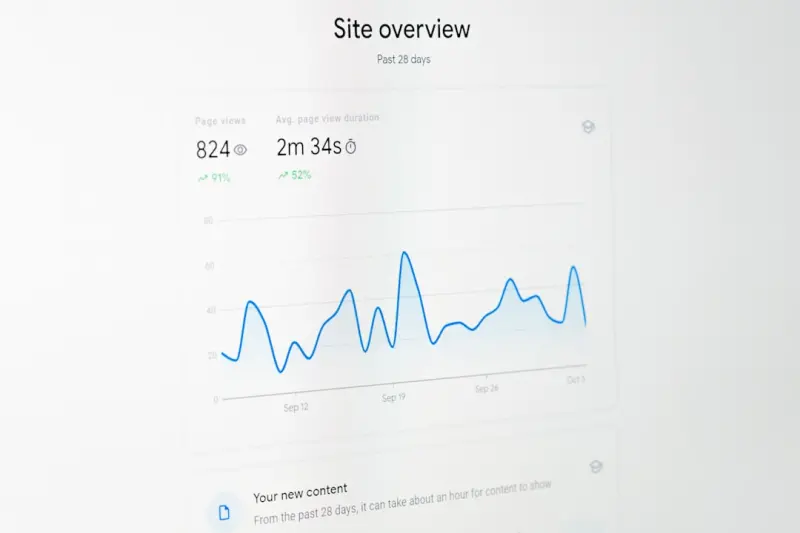
Unlike traditional blog posts where traffic growth can take weeks, FAQ pages often show performance spikes within days. Track these metrics:
- Impressions & click‑through rate (CTR) in Google Search Console. Look specifically at the “FAQ” rich result type.
- Organic traffic to the FAQ page. A sudden surge indicates Google is serving your snippet.
- Conversion uplift. Tie the FAQ URL to your analytics to see if visitors who land on the FAQ page have higher sign‑up or demo‑request rates.
- Support ticket volume. A drop in recurring questions signals that your FAQ is doing its job.
Set up a simple dashboard that pulls these data points weekly. If you notice a particular question underperforming, revisit the answer—make it clearer, add a visual, or link to a more detailed resource.
Advanced Tactics: FAQ Schema for International Audiences
Many SaaS products serve a global market, yet most FAQ pages are monolingual. By leveraging hreflang tags alongside localized FAQ schema, you can serve country‑specific answers that appear in the SERP for each language. Here’s a quick checklist:
- Translate the question and answer verbatim—avoid machine‑only translations.
- Publish each language version on a dedicated URL (e.g.,
/es/faq). - Apply the appropriate
hreflangannotations on the page header. - Include the localized JSON‑LD on each page, ensuring the
inLanguageproperty reflects the correct ISO code.
International FAQ schema can be a game‑changer for SaaS businesses expanding into new markets, giving you a fast route to appear in local search results without building massive content farms.
Case Study: Turning a Low‑Traffic Blog Post Into a Ranking FAQ
One of our SaaS clients had a 500‑word blog post about “API rate limits” that barely attracted any clicks. We repurposed the content into a concise FAQ entry, wrapped it in FAQPage schema, and linked it from the product documentation hub. Within two weeks, the page earned a prominent FAQ rich snippet for the query “What are the API rate limits for X?”. The result?
- Impressions jumped from 200 to 5,400.
- CTR surged from 1.2% to 12.8%.
- Support tickets about rate limits dropped by 45%.
This transformation illustrates the low‑effort, high‑reward nature of FAQ schema when applied strategically.
Common Pitfalls and How to Avoid Them
Even the best intentions can backfire if you ignore Google’s guidelines. Watch out for these mistakes:
- Over‑optimizing answers. Stuffing keywords makes the snippet look spammy and can lead to manual actions.
- Duplicating content. Each FAQ page should have unique Q&A pairs. Duplicate questions across multiple pages dilute the markup’s effectiveness.
- Neglecting mobile performance. Google’s mobile‑first indexing means a slow FAQ page will rarely get a rich result.
- Missing schema validation. Use Google’s Rich Results Test before publishing. A single syntax error can nullify the entire markup.
Putting It All Together: A Step‑by‑Step Playbook
Below is a concise roadmap you can follow today:
- Audit existing content. Identify high‑traffic pages with question‑type queries that lack FAQ markup.
- Collect real questions. Pull from sales calls, support tickets, community forums, and keyword tools.
- Write clear answers. Keep them under 100 words, use plain language, and embed a link to a deeper resource.
- Implement schema. Add JSON‑LD or microdata to the page. Validate with Google’s tool.
- Optimize technical SEO. Ensure the page is crawlable, fast, and rendered server‑side if you use a headless stack—refer to Crawl Budget Mastery for tips on prioritizing indexation.
- Promote internally. Link from top‑level navigation, product docs, and relevant blog posts.
- Monitor and iterate. Track impressions, CTR, and conversion metrics. Refine answers that underperform.
Final Thoughts
FAQ schema is more than a technical tweak; it’s a mindset shift. Instead of chasing generic keywords, you’re delivering precise answers at the exact moment a prospect needs them. In a world where users expect instant information, this approach not only boosts visibility but also builds trust—an essential currency for any SaaS business.
Start small, iterate fast, and watch the SERP landscape reshape around your questions. Your next wave of qualified leads could be just a few well‑crafted FAQs away.

Tom Ferguson is a Canadian freelance writer with a passion for storytelling, current events, and thoughtful commentary. Drawing on years of writing experience, he shares engaging insights on a wide range of topics, bringing a uniquely Canadian perspective to his work.
Related Posts

Intent‑First SEO: Proven Tips to Elevate Your Rankings
Learn how to master intent‑first SEO with practical steps, technical tweaks, and storytelling tech... Read More

The SEO Sprint Playbook: Fast‑Track Your Rankings with a 30‑Day Content Refresh
Learn how to execute a focused 30‑day SEO sprint that targets high‑impact pages, leverages data,... Read More

Why Intent‑First SEO Is the Secret Sauce for Modern Rankings
Learn how intent‑first SEO reshapes rankings, from crafting intent‑aligned headlines to strategi... Read More
Top Posts

The Mobile SEO Playbook SaaS Teams Overlook
A deep dive into overlooked mobile SEO strategies for SaaS, covering mobile‑first indexing, micro‑intent keyword research, structured data, PWAs, voice sear...Read More

Beyond Content: Building an SEO‑Ready Architecture in WordPress
Learn why WordPress SEO success hinges on site architecture—use structured data, purposeful taxonomy silos, and intentional internal linking to boost rankings...Read More
Going Global: International SEO Blueprint for SaaS Companies
International SEO is essential for SaaS growth. This guide walks you through market prioritization, technical setup, content localization, keyword research, lin...Read More

How Community Q&A Can Supercharge Your SEO Strategy
Turn real user questions into SEO gold. Learn to source, optimize, and scale community Q&A content to capture rich results and boost organic traffic....Read More
0 Comments
Post Comment
You will need to Login or Register to comment on this post!