
Zero‑Click SERP Shock: Rethinking SEM Strategies for the New Search Landscape
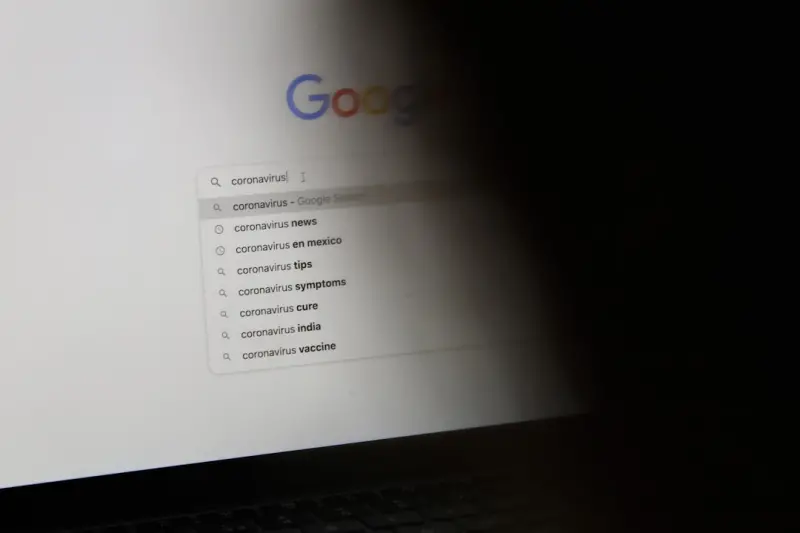
When I first started buying paid search in the early 2010s, the game was simple: pick the right keywords, write a catchy ad copy, and watch the clicks roll in. Fast forward a decade, and the search engine results page (SERP) has morphed into a complex, information‑rich canvas where zero‑click results dominate. The rise of featured snippets, knowledge panels, local packs, and instant answers means users are often getting what they need without ever touching the “Ad” or “Organic” link.
For a Search Engine Marketing (SEM) practitioner, this isn’t just a curiosity—it’s a seismic shift that forces us to rethink every layer of our paid strategy, from keyword selection to budget allocation and creative messaging. In this post, I’ll walk you through why zero‑click SERPs matter, how they impact traditional PPC metrics, and what tactical levers you can pull to stay profitable in an environment where clicks are no longer the only currency.
The Zero‑Click Phenomenon Explained
Google’s own data tells the story: more than half of all searches now result in a zero‑click outcome. In other words, users get an answer directly on the results page and never click through to a website. This trend isn’t limited to one niche; it’s spreading across ecommerce, SaaS, health, travel, and even B2B services. The drivers are clear:
- Rich SERP features—featured snippets, “People also ask”, and “Top stories” deliver concise answers instantly.
- Mobile-first UX—on smaller screens, users are less patient and more likely to accept the first answer they see.
- Voice assistants—while not a direct focus of this article, they amplify the zero‑click trend by reading answers aloud.
For paid search, the immediate fallout is a dip in traditional click‑through rates (CTR) and a corresponding rise in impression share without the expected traffic. If you keep budgeting the same amount while ignoring this shift, you’ll see a rising cost per acquisition (CPA) and dwindling ROAS.
Why Traditional SEM Metrics Are Losing Their Edge
Historically, we’ve optimized around three core metrics:
- Click‑through rate (CTR)
- Cost per click (CPC)
- Conversion rate (CVR)
Zero‑click SERPs break the assumption that impressions → clicks → conversions. You can now have high impression share, low CTR, yet still capture value if the ad is visible alongside a featured snippet. Google’s ad extensions—like sitelinks, callouts, and structured snippets—are now competing for eyeballs on a page that might never be clicked. This forces us to shift our focus from “how many people click?” to “how many people notice and act on our brand message, even without a click.”
New Success Indicators for a Zero‑Click World
To adapt, we need to supplement traditional metrics with brand‑centric KPIs:
- View‑through conversions (VTC): When a user sees your ad, later converts on another channel (direct, organic, or paid).
- Ad impression lift: The lift in brand search volume after an ad exposure, measured via lift studies.
- Engagement on ad extensions: Clicks on sitelinks, call extensions, or phone calls that don’t lead directly to a landing page but still generate leads.
- Search query share: The percentage of total queries for a term that include your ad, indicating dominance in the conversation even without clicks.
These metrics require deeper integration with analytics platforms and often a custom attribution model, but they’re essential for proving value in a zero‑click era.
Strategic Shifts to Future‑Proof Your SEM Campaigns
1. Target the “Zero‑Click” Intent Directly
Instead of avoiding keywords that trigger featured snippets, embrace them. For instance, a SaaS company selling “project management software” can own the definition snippet, while still running a text ad that appears alongside the snippet. This dual presence boosts brand authority and ensures that even if a user doesn’t click, they see your brand name next to the answer.
Use the unlock hidden revenue with AI‑powered search mindset: let AI surface the most relevant content (your ad) in the same visual real‑estate as the zero‑click answer.
2. Double‑Down on Ad Extensions and Structured Data
Google rewards ads that provide richer information. Sitelinks, callouts, structured snippets, and even rich snippet strategies can appear above or below a featured snippet, increasing your brand’s visual footprint. Treat each extension as a micro‑landing page—optimize copy, include unique value propositions, and test different calls‑to‑action.
Example: A B2B SaaS ad could use structured snippets to list “Free trial, 24/7 support, API access”, reinforcing the core benefits without a click.
3. Leverage First‑Party Data for Granular Audience Segmentation
Zero‑click SERPs are a data desert: you get fewer click‑through signals. To compensate, double‑up on first‑party data (email lists, CRM segments, website behavior) to create hyper‑targeted audiences. Build custom intent audiences that align with the zero‑click queries you own. This approach reduces waste and improves relevance, a crucial factor when every impression costs more.
In a cookieless world, you’ll also benefit from the strategies outlined in privacy‑first SEO. While the article focuses on organic, the principles of consent‑driven data collection apply equally to paid campaigns.
4. Re‑Architect Bidding Strategies Around Impression Share
Traditional automated bidding focuses on maximizing clicks or conversions. Introduce “Impression‑share‑based” goals into your bidding algorithms. Google’s “Target impression share” bidding can be fine‑tuned to prioritize top‑of‑page visibility, ensuring your ad appears next to the featured snippet even if users don’t click.
Pair this with enhanced cost‑per‑click (ECPC) or “Target ROAS” models that factor in view‑through conversions and brand lift. The key is to teach the algorithm that a high‑visibility impression is as valuable as a click.
5. Test Creative That Works Without a Click
Since users may never click, your ad copy must convey value instantly. Use bold, benefit‑driven language that can be absorbed in a glance. Incorporate brand identifiers, unique selling points, and strong calls‑to‑action that prompt a non‑click response—like “Call now”, “Book a demo”, or “Visit our Google Business profile”.
Consider using call‑only ads for local B2B services. Even if the user doesn’t click through to a landing page, a phone call is a direct conversion.
6. Integrate Paid Search with Organic SERP Dominance
The line between paid and organic is blurring. If you already rank in the featured snippet for a key query, your ad can reinforce that authority. Conversely, if you own the ad spot but not the snippet, you can use the ad copy to answer the user’s question, effectively mimicking the snippet’s role.
Coordinate keyword strategies with your SEO team: share data on which queries trigger zero‑click results, and align messaging across both channels. This unified approach maximizes SERP real‑estate and improves brand recall.
Measuring Success: A Pragmatic Attribution Framework
Adapting to zero‑click SERPs isn’t just about tactics; it’s about measurement. Here’s a simple framework you can implement:
- Define primary brand‑lift KPIs: Search lift, aided brand awareness surveys, and view‑through conversions.
- Set up cross‑channel attribution: Use Google Analytics 4’s “User‑centric” model to attribute conversions to ad exposures even if the final touchpoint is organic.
- Run lift studies: Randomly split traffic where one group sees your ads (including extensions) and the other doesn’t. Compare downstream metrics like direct traffic and assisted conversions.
- Iterate based on incremental lift: Optimize budgets toward campaigns that demonstrate the highest lift per dollar spent, even if their CTR looks mediocre.
This data‑driven approach helps you justify spend to stakeholders who still obsess over click metrics, while you quietly harvest brand equity in the background.
Future Outlook: The Next Wave of Zero‑Click Evolution
We’re already seeing Google experiment with “Answer Cards” that combine snippets with video, carousel, and even live data. In the coming months, expect:
- More integrated ad‑snippet hybrids—ads that appear inside the featured snippet box, blurring the line even further.
- Dynamic ad extensions powered by AI—real‑time generation of sitelinks based on the exact question a user asks.
- Zero‑click conversion paths—direct calls, chat initiations, or form fills that happen without a traditional landing page.
Staying ahead means building a flexible SEM foundation now: prioritize visibility, embrace data‑driven attribution, and align your paid search with broader brand messaging. If you can master the art of influencing users who never click, you’ll own the SERP conversation—and the revenue that follows.
Takeaway Checklist
- Audit your keyword list for queries that trigger featured snippets.
- Deploy comprehensive ad extensions to maximize SERP real‑estate.
- Shift bidding goals toward impression share and view‑through conversions.
- Integrate first‑party data for granular audience targeting.
- Align paid search messaging with SEO snippet content.
- Implement an attribution model that captures brand lift and non‑click conversions.
Zero‑click SERPs are no longer a fringe phenomenon; they’re the new normal. By reorienting your SEM strategy around visibility, relevance, and brand impact, you’ll future‑proof your campaigns and continue to drive growth—even when users don’t click.

Ryan Paterson is known for his dedication, innovative mindset, and unique skills that set him apart from the crowd. . From his early years, he displayed a natural talent for thinking outside the box and approaching challenges with a fresh perspective.
Related Posts
Zero‑Click Paid Search: Capturing Value Without Clicks
Zero‑click paid search lets SaaS marketers turn impression‑only exposure into measurable revenue... Read More

Navigating SEM in a Cookieless World: Strategies for Privacy‑First Success
Learn actionable SEM tactics for the cookieless era—leveraging first‑party data, AI, and context... Read More

Predictive Bidding: How AI Is Rewriting the SEM Playbook
Predictive bidding leverages first‑party data and machine learning to forecast conversion value in... Read More
Top Posts

Riding the 2024 SEO Wave: Rose DesRochers' Insider Strategies for Google Dominance
Rose DesRochers reveals the 2024 SEO playbook, blending AI insights, contextual ranking, and Core Web Vitals into a practical roadmap for Google dominance....Read More
How to Turn Facebook Groups into a Search Engine Magnet
Learn a fresh approach to Facebook SEO by turning niche group discussions into searchable assets that drive traffic, improve rankings, and build authority....Read More
Breaking the SEM Ceiling: A Data‑First Playbook to Beat Creative Fatigue
Creative fatigue drags down SEM performance, but a disciplined, data‑first refresh framework can restore click‑through rates, lower CPA, and unlock new ROI....Read More
Crawl Budget Mastery: A Technical SEO Blueprint for SaaS Platforms
A deep dive into crawl budget management for SaaS sites, covering log file analysis, URL prioritization, structured data, Core Web Vitals, and a practical dashb...Read More
0 Comments
Post Comment
You will need to Login or Register to comment on this post!