

Why the Voice‑First Era Demands a New SEO Mindset
When I first started mapping Google’s ever‑changing algorithms, I treated every update like a new language to learn. Today, the conversation has evolved from isolated keywords to full‑blown conversations, and I find myself guiding teams through a landscape where search feels more like a dialogue than a simple list of links. What’s fascinating is that Google’s push for natural‑language understanding isn’t just a technical footnote; it reshapes how we think about relevance, authority, and the very structure of our content, turning each paragraph into a potential spoken answer and unlocking hidden ranking opportunities that traditional, text‑only strategies often overlook.
The Explosion of Voice Queries and Their Impact on Rankings
Recent research shows that nearly half of all searches now include some element of voice, and that figure is climbing as smart speakers become household fixtures. Unlike typed queries, voice searches tend to be longer, more conversational, and heavily intent‑driven, which means Google’s algorithm leans on contextual clues and semantic relevance to surface the best answer. For SEOs, this shift translates into a mandate: we must craft content that anticipates the full question a user might ask aloud, embedding concise, direct answers that satisfy both the user’s curiosity and Google’s quest for “the one‑stop answer.” Optimizing for voice therefore isn’t a side project; it’s a core component of any modern Google SEO strategy.
Core Web Vitals as the Backbone of Voice‑Ready Pages
Speed and stability have always mattered, but in a voice‑first world they become the silent arbiters of whether Google will even consider serving your answer. Core Web Vitals—Largest Contentful Paint, First Input Delay, and Cumulative Layout Shift—directly influence the perceived quality of an answer, especially when a user expects an instant, hands‑free response. A page that loads in two seconds with no unexpected layout shifts is far more likely to be chosen for a featured snippet or a voice answer than a slower, jittery counterpart. Investing in lightweight code, optimized images, and efficient server responses isn’t just about user experience; it’s a strategic move to keep your content in the voice‑ready pool.
Structuring Data for Conversational Search
One of the most underutilized levers in the voice‑first toolkit is structured data, particularly FAQ and How‑To schema, which give Google explicit signals about the questions your page can answer. By marking up each question and answer pair, you hand the search engine a ready‑made snippet that can be pulled into a voice response without any guesswork. Pair this with a thoughtful semantic clustering approach—grouping related topics under umbrella themes—and you create a logical, hierarchical map that both users and algorithms can navigate effortlessly. The result is a higher likelihood of appearing in the coveted “position zero” slot, where voice assistants draw their answers from.
Beyond Snippets: Leveraging Google Discover for Voice Traffic
While featured snippets dominate voice conversations, Google Discover offers a parallel avenue for surfacing content in a feed‑based environment that increasingly powers voice‑enabled recommendations. By aligning your editorial calendar with emerging trends, crafting visually compelling cards, and ensuring your metadata is crisp and compelling, you can position your pieces to appear in Discover’s algorithmic stream. This not only drives direct traffic but also feeds the voice ecosystem; Discover‑picked articles often become the source material for voice answers when users later ask related questions. In essence, a strong Discover presence amplifies your voice SEO reach without any extra effort.
Aligning Content with Real‑World User Intent
The secret sauce for voice SEO is mastering the subtle layers of intent behind each spoken query—whether the user seeks a quick fact, a step‑by‑step guide, or a local recommendation. Mapping these intent categories to your content pillars helps you produce answers that match the user’s mental model, increasing the chances of being selected for a voice response. It’s also crucial to stay on top of freshness signals; Google rewards up‑to‑date, authoritative answers, especially for topics that evolve quickly. Regularly auditing and refreshing evergreen pages ensures your content remains both relevant and voice‑ready.
Measuring Success in a Voice‑Dominated SERP
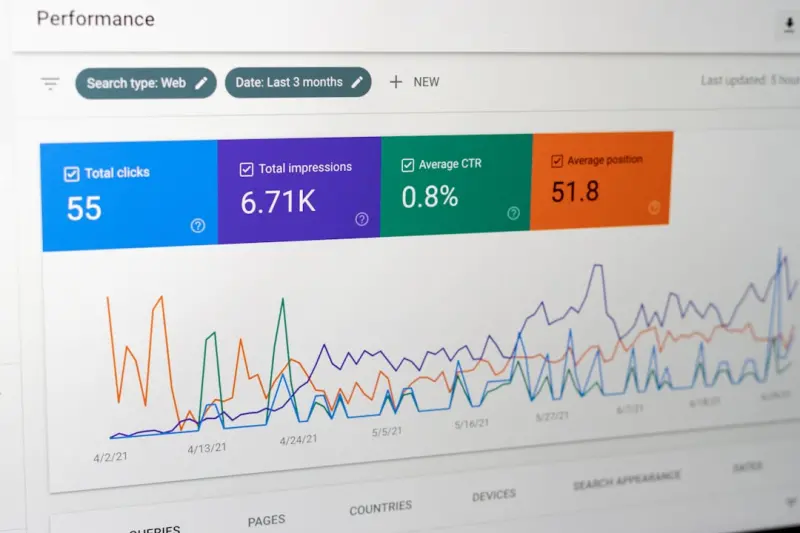
Traditional metrics like click‑through rate and bounce rate only tell part of the story when voice is in play. Instead, focus on impression share for featured snippets, voice query volume, and the proportion of traffic that originates from assistant devices. Tools that surface “position zero” performance can reveal which pages are being read aloud, while log‑file analysis uncovers the exact phrasing users employ. By layering these data points with core metrics, you gain a holistic view of how well your voice optimization efforts translate into real‑world visibility and conversions.
Future‑Proofing Your Google SEO Strategy
As Google continues to integrate multimodal AI and conversational AI into its search stack, the line between text, voice, and visual queries will blur even further. The best way to stay ahead is to adopt a flexible content architecture that treats every piece of information as both readable and speakable, backed by robust structured data and a relentless focus on user intent. By doing so, you not only capture today’s voice traffic but also lay the groundwork for the next wave of AI‑driven search experiences, ensuring your brand remains a trusted answer in every medium.

In the world of freelance writing, where creativity and adaptability are paramount, Michelle Fisher stands out as a dedicated and versatile professional. With a passion for crafting compelling narratives and a keen eye for detail, Michelle has established herself as a trusted voice.
Related Posts

The Intent‑First SEO Playbook: How to Align Content with Real User Goals
Learn how to shift from keyword‑centric tactics to intent‑first SEO, audit existing pages, and c... Read More

Navigating Google’s AI‑First SERP: Strategies for the Search Generative Experience
Learn practical tactics to optimize for Google’s AI‑driven Search Generative Experience, from in... Read More

Why Intent‑First SEO Is the Game‑Changing Strategy Marketers Can’t Ignore
Explore why shifting from keyword obsession to user intent is the most powerful SEO move today, with... Read More
Top Posts

Turning Up the Volume: How Audio‑First Marketing Can Amplify Your Brand
Audio‑first marketing is reshaping digital strategy. From podcasts to voice‑enabled commerce, learn how to create compelling sound content, optimize for sea...Read More
Reading the Heat: How Behavioral Data Supercharges On-Page SEO for SaaS
This post shows SaaS marketers how to use heatmaps, scroll depth, and click‑through data to refine on‑page SEO, improve user engagement, and drive higher or...Read More

Server‑Side Rendering & Log‑File Mastery: A Technical SEO Blueprint for SaaS
Learn how server‑side rendering, intelligent log‑file analysis, and AI‑generated schema can transform your SaaS site’s technical SEO, driving higher ran...Read More

Harnessing Ranking Power on SaaS Pricing Pages: A Tactical Guide
This guide reveals how to transform SaaS pricing pages into SEO magnets, covering headline optimization, structured data, trust signals, performance, accessibil...Read More
0 Comments
Post Comment
You will need to Login or Register to comment on this post!