
Why Visual Hierarchy Matters More Than You Think
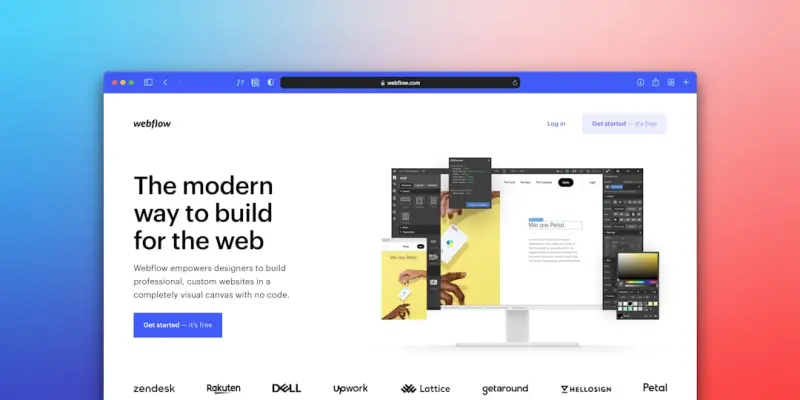
When users land on a page, their eyes don’t wander randomly; they follow a subconscious path shaped by layout, contrast, and whitespace. That path determines which keywords and concepts Google perceives as most important, turning design decisions into ranking signals. By treating visual hierarchy as an on‑page SEO lever, you can guide both visitors and crawlers toward the page’s core intent, boosting relevance without adding a single extra word.
The Hidden Power of Scannable Layouts
Studies show that the average visitor spends just 0.05 seconds deciding whether to stay, making the F‑pattern a critical design blueprint for any content‑heavy site. Placing key headings, bullet points, and calls‑to‑action along this natural eye‑movement line ensures that high‑value keywords sit where the eye naturally lands first. By deliberately structuring content above the fold, you signal to search engines that the most important information is readily accessible, reducing bounce and increasing dwell time.
Images Aren’t Just Decorative—they’re SEO Assets
Optimizing images goes far beyond adding alt text; the file name, size, and surrounding context all feed into Google’s understanding of page relevance. A descriptive filename like organic‑coffee‑beans‑benefits.jpg reinforces the primary keyword, while modern compression techniques keep load times low, protecting Core Web Vitals. Pairing images with structured data such as ImageObject schema further clarifies their purpose, allowing rich results to showcase your visual content directly in the SERPs.
Video Content as a Ranking Multiplier
Embedding short, keyword‑focused videos can dramatically increase on‑page dwell time, a metric that Google still values for assessing content depth. To maximize SEO benefit, add VideoObject schema, provide a concise transcript, and use descriptive thumbnail filenames that echo your target terms. When users engage with video controls, the resulting interaction data signals to crawlers that the page offers substantive, multimedia‑rich answers to search intent.
Interactive Elements Keep Users Hooked
Quizzes, calculators, and dynamic FAQs turn passive reading into active participation, extending session duration and lowering bounce rates. Each interactive widget should be anchored with clear, keyword‑rich headings and, when possible, linked back to related articles using a smart internal linking strategy that reinforces topical authority. By capturing user input, you also generate valuable user‑generated data that can inform future content pivots.
Typography and Readability Influence Rankings
Font choice, line height, and contrast aren’t merely aesthetic—they affect how quickly Google’s algorithms assess content relevance. Large, legible typefaces paired with generous line spacing improve readability scores, which in turn can lower pogo‑sticking rates. When you combine concise paragraphs with strategic use of bold keywords, you create a hierarchy that both readers and search bots can parse with ease.
Color, CTA Placement, and Conversion Signals
The hue and positioning of your call‑to‑action can tip the balance between a visitor lingering or converting, and conversion metrics now feed back into SEO performance via user‑engagement signals. Using contrasting colors for primary CTAs draws the eye, while secondary actions placed lower on the page respect the natural scanning flow. When conversions rise, dwell time improves, sending a positive reinforcement loop to search engines that the page satisfies user intent.
Measuring the Impact of Visual SEO
To validate your visual hierarchy tweaks, blend Core Web Vitals data with heatmap analytics and scroll‑depth reports. Look for patterns such as increased Largest Contentful Paint after image compression or higher click‑through rates on videos with optimized thumbnails. A quick audit checklist can keep you on track:
- Are primary headings placed within the top‑fold F‑pattern?
- Do all images have keyword‑rich filenames and proper schema?
- Is video content accompanied by transcripts and
VideoObjectmarkup? - Are interactive widgets linked with a cohesive internal linking plan?
- Do typography and color choices meet accessibility contrast ratios?
Actionable Visual SEO Checklist
Start by mapping your page’s visual flow on paper, then align each visual element with a target keyword or intent. Compress and rename every image, add schema, and test load times with PageSpeed Insights. Embed a short video, enrich it with schema, and provide a transcript. Sprinkle in one interactive widget linked to a related pillar article, and finally, review typography and CTA colors for optimal contrast. By treating design as a systematic SEO component, you’ll unlock rankings that feel as natural as a well‑crafted visual experience.

Amanda is a passionate writer exploring a kaleidoscope of topics from lifestyle to travel and everything in between.
Related Posts

Cracking Passage Indexing: How to Shape Every Section for Rankings
Passage indexing lets Google rank individual sections of a page. This guide shows how to map intent,... Read More
Beyond Keywords: The New Science of On‑Page SEO Experience
A fresh take on on‑page SEO that blends semantic markup, readability, and performance, giving you ... Read More

Semantic Clustering: The Hidden Engine Behind Scalable SaaS On-Page SEO
Learn a proven framework for grouping SaaS pages into thematic clusters that reduces cannibalization... Read More
Top Posts

Micro‑Influencer Affiliate Networks: The Secret Sauce for Niche eCommerce Growth
Learn why micro‑influencer affiliate networks are the hidden growth engine for niche eCommerce, offering authentic reach, measurable ROI, and scalable success...Read More
Predictive Personalization: Turning First‑Party Data into Real‑Time B2B Wins
Predictive personalization uses first‑party data and machine learning to deliver real‑time, relevant experiences that accelerate trial activation, improve a...Read More

Conversational Commerce: Turning Messaging Apps into High‑Impact Sales Engines
Learn to turn everyday messaging apps into revenue‑driving sales engines using AI chatbots, privacy‑first tactics, and smart attribution for modern digital ...Read More

Predictive Bidding: The Future of SEM Success
Explore how predictive bidding, clean first‑party data, and cross‑channel attribution are revolutionizing SEM, delivering smarter spend and higher conversio...Read More
0 Comments
Post Comment
You will need to Login or Register to comment on this post!