

Why Employee Advocacy Is the Missing Link in Your SEO Strategy
When I first started experimenting with link‑building, I realized that the most powerful backlinks often came from people inside my own organization, not from strangers on the internet. Employee advocacy turns every team member into a brand ambassador who can naturally share content, answer questions, and link back to your site from their professional profiles. This approach creates authentic signals that search engines love, because the links originate from real human connections rather than automated outreach. By cultivating a culture where staff are encouraged to tweet, write LinkedIn posts, and contribute guest articles, you amplify your site’s authority without the typical outreach fatigue.
Mapping Internal Expertise to Search Intent
The first step is to audit your internal knowledge base and match it to the keywords your audience is searching for. I recommend pulling together a simple spreadsheet that lists each department, the topics they own, and the most common queries they can answer. Once you have that map, you can create targeted content pieces—like how‑to guides, case studies, or FAQs—that showcase that expertise. When employees share these resources, they’re not just posting a link; they’re providing a context‑rich endorsement that aligns perfectly with user intent, which in turn boosts relevance scores in the eyes of Google.
Designing Share‑Friendly Content Assets
Content that earns employee shares must be both valuable and easy to distribute. I focus on creating bite‑sized assets such as infographics, short videos, and slide decks that can be posted on social channels with a single click. Adding embedded interactive tools like calculators or quizzes encourages colleagues to embed the asset on their own sites, generating organic backlinks. Remember to include clear, pre‑written captions and hashtags so your team doesn’t have to reinvent the wheel each time they share.
Incentivizing Participation Without Turning It Into a Contest
Motivation is key, but you don’t want to gamify employee advocacy to the point where it feels forced. Instead, recognize contributors in company newsletters, spotlight top‑performing posts during all‑hands meetings, and tie advocacy metrics to professional development goals. When employees see a direct link between their sharing efforts and personal growth, they’re far more likely to participate consistently. This subtle encouragement builds a sustainable pipeline of high‑quality links over time.
Leveraging Internal Platforms for Amplification
Most companies already have internal communication tools—Slack channels, intranet blogs, and project management boards—that can serve as launchpads for SEO‑friendly content. I’ve set up a dedicated “SEO Share Hub” where marketers post new articles, and team members can click a one‑click button to publish the link on their personal profiles. By centralizing the process, you reduce friction and ensure that every piece of content gets maximum exposure across the organization.
Tracking the Impact with the Right Metrics
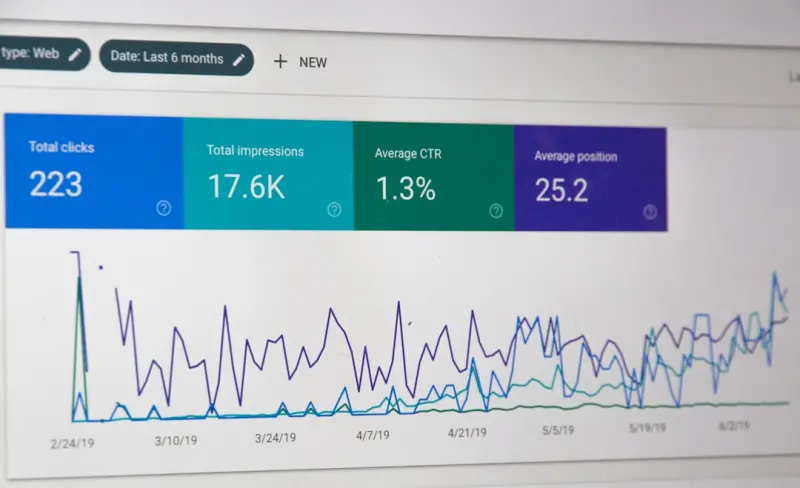
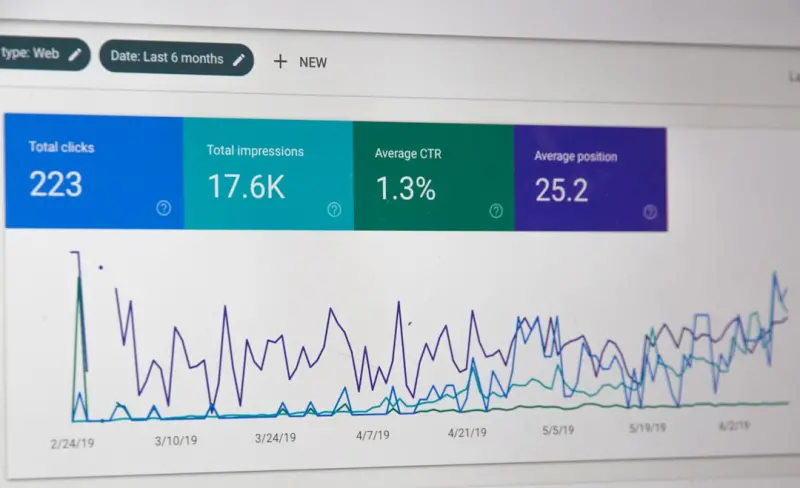
To prove the ROI of employee advocacy, you need a clear measurement framework. I track three core metrics: referral traffic from employee‑shared URLs, the number of unique domains linking back from employee profiles, and the resulting uplift in keyword rankings. Using tools like Google Search Console and a lightweight link‑monitoring script, you can attribute improvements directly to the advocacy program. When you can show a tangible boost in rankings, the case for expanding the initiative becomes undeniable.
Integrating Advocacy Into Your Existing SEO Workflow
Employee advocacy shouldn’t be a siloed activity; it belongs in the same editorial calendar you use for blog posts and outreach. Each time a new piece of content is approved, assign it a “share owner” from the relevant department. This person is responsible for promoting the piece internally and ensuring that the necessary assets (images, captions, links) are ready. By embedding advocacy tasks into your standard workflow, you eliminate the need for a separate outreach team and keep the process streamlined.
Scaling the Program Across Global Teams
For organizations with offices worldwide, localization is crucial. Translate key assets into the languages of your target markets and empower regional teams to share locally relevant versions. I’ve found that providing a simple “translation kit”—including localized copy, hashtags, and suggested posting times—dramatically increases participation rates. This not only diversifies your backlink profile with geo‑specific domains but also enhances your site’s authority in multiple regions simultaneously.
Future‑Proofing with Emerging Platforms
The digital landscape is constantly evolving, and the next wave of employee advocacy may come from platforms we haven’t fully explored yet. Keep an eye on professional‑network features like LinkedIn Stories, emerging audio platforms, and even internal podcast channels. When you combine these new distribution avenues with proven tactics like linking to Google SERP features, you create a multi‑dimensional SEO strategy that stays ahead of algorithm updates and competitor moves. The key is to stay adaptable, experiment regularly, and let your employees’ authentic voices drive the SEO engine forward.

Jim Pearse, a seasoned freelance writer, brings a wealth of knowledge and passion to the world of home and garden. From the intricacies of landscaping to the nuances of interior design, Jim delves into every aspect of creating comfortable, beautiful, and functional living spaces.
Related Posts

Ride the 2024 SEO Wave: Rose DesRochers’ Fresh Tips for Intent, AI, and Authority
Rose DesRochers shares a 2024 SEO playbook, blending intent mapping, AI‑assisted writing, and auth... Read More

Zero‑Click SEO: Winning the Battle for Visibility in a Snippet‑First World
Explore actionable tactics for mastering featured snippets, FAQ rich results, and content clusters t... Read More

Turning Thought Leadership into SEO Gold for SaaS
Discover a step‑by‑step framework for turning deep‑dive, data‑rich articles into ranking ass... Read More
Top Posts
Programmatic SEM: Scaling Paid Search for SaaS Growth
Programmatic SEM transforms traditional paid search by using real‑time data, AI‑driven creative, and automated bid management, enabling SaaS firms to scale ...Read More

Unlocking the Hidden SEO Benefits of Facebook Groups and Video
Learn how to turn Facebook Groups and live video into powerful SEO assets. This guide shows SaaS marketers how community authority, structured data, and data‑...Read More
Pixel‑Perfect: Elevating SaaS Rankings Through Strategic Image Optimization
A deep dive into why image optimization matters for SaaS technical SEO, covering audit techniques, next‑gen formats, edge‑based processing, lazy loading, ca...Read More

Turning Feature Pages into SEO Powerhouses: A Tactical Guide for B2B SaaS
Feature pages often sit idle on SaaS sites, but with a strategic blend of intent mapping, semantic markup, interactive tools, and continuous content refresh, th...Read More
0 Comments
Post Comment
You will need to Login or Register to comment on this post!