
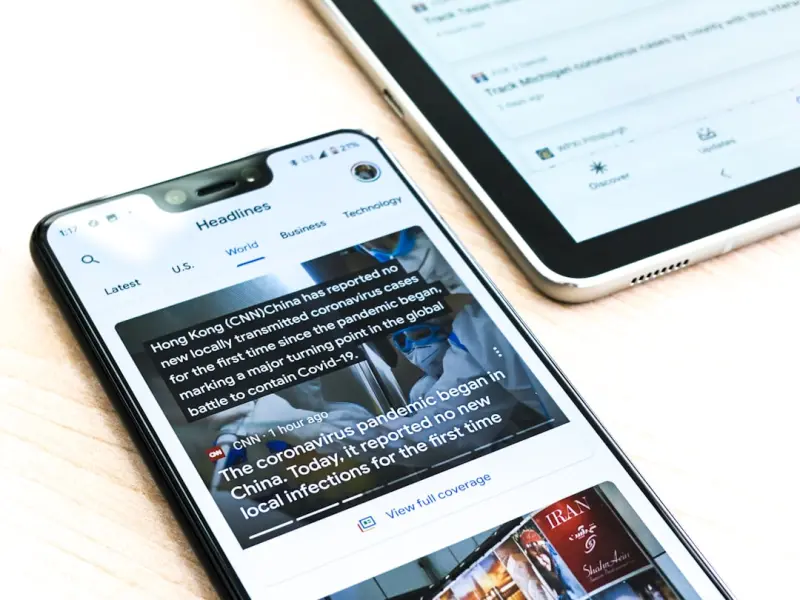
When you think about mobile SEO, most of us jump straight to page speed, responsive design, and Core Web Vitals. Those are undeniably important, but there’s a whole layer beneath the surface that most SaaS marketers never even consider: the way mobile browsers are becoming mini‑app ecosystems. Today’s mobile user isn’t just scrolling a static site; they’re navigating an in‑app browser, a progressive web app (PWA), or even a native‑app‑embedded view that blurs the line between “app” and “web.” If your SEO strategy can’t speak fluently in that hybrid language, you’re leaving a massive share of high‑intent traffic on the table.
Why the “In‑App Browser” Matters More Than You Think
Every time a user clicks a link from Facebook, Instagram, LinkedIn, or an email, the destination page often loads inside that platform’s own web view. These in‑app browsers differ from Chrome or Safari in three subtle but SEO‑relevant ways:
- JavaScript execution quirks: Some in‑app browsers throttle heavy scripts, which can affect how Google’s rendering engine evaluates your page.
- Cookie handling: Third‑party cookies are frequently sandboxed, meaning session‑based personalization can break unless you rely on first‑party storage.
- Viewport defaults: The default viewport width can be narrower than a full‑screen browser, causing layout shifts that hurt perceived usability.
The takeaway? Your “mobile‑first” checklist needs a dedicated “in‑app‑first” sub‑checklist. That means testing every critical SaaS funnel—pricing pages, demo sign‑ups, and trial activations—in the most popular in‑app browsers and fixing the unique issues each one surfaces.
Progressive Web Apps: The Secret Weapon for Mobile SEO
PWAs have been the buzzword for a while, but they’re still under‑leveraged in SaaS. A well‑crafted PWA does three things that directly boost SEO:
- Instant loading: Service workers cache essential assets, delivering sub‑second page loads even on flaky 3G connections. Google rewards that speed with higher rankings.
- Engagement signals: Because PWAs can be “installed” on a user’s home screen, you’ll see longer session durations and lower bounce rates—both strong ranking signals.
- App‑like discoverability: When you add a
manifest.jsonwith propershort_nameandicons, Google can surface your PWA in the “app” carousel of mobile SERPs, driving brand visibility beyond traditional web results.
Implementing a PWA for a SaaS product doesn’t have to be an all‑or‑nothing proposition. Start by turning high‑traffic, conversion‑critical pages into “lite” PWAs: a fast, offline‑capable version of your pricing calculator or a demo request form. The SEO lift you get from the combined speed boost and richer engagement metrics can be significant.
Structured Data: From Rich Snippets to Mobile‑First Indexing
Google’s mobile‑first indexing means the search engine primarily reads the mobile version of your site when deciding rankings and snippets. That’s why you need to double‑down on structured data that is visible to mobile crawlers. While you may already be using Unlocking the Power of Structured Data for SaaS SEO Success to enhance your SERP appearance, there’s a mobile‑specific twist:
- Limit JSON‑LD to mobile‑visible elements: If a review widget only appears on desktop, hide its JSON‑LD on mobile to avoid “inconsistent markup” warnings.
- Leverage
WebPageschema: PopulatemobileUrlandisAccessibleForFreeproperties so Google knows which version of the page to serve in mobile SERPs. - Use
PotentialActionfor app deep links: If you have a native mobile app, adddeepLinkactions so Google can surface a direct app link alongside the web result.
When you pair these mobile‑aware schemas with a PWA, you give Google a clear, unified signal that your content is both fast and functional on any device.
The “Mobile‑First Crawl Budget” Myth (And What to Do Instead)
Many SaaS SEO teams obsess over crawl budget, but that focus often assumes a desktop‑first world. Mobile‑first crawling works differently because Googlebot‑Mobile renders pages more conservatively to conserve resources. The practical result? Your most valuable SaaS pages might be crawled less often on mobile if they contain heavy JavaScript or excessive redirects.
Here’s a three‑step plan to keep your crawl budget flowing:
- Prioritize critical URLs in your
robots.txt: Explicitly allow Googlebot‑Mobile to access your demo, pricing, and sign‑up pages early in the crawl queue. - Serve “lite” HTML for crawlers: Use server‑side rendering (SSR) or dynamic rendering to deliver a stripped‑down version of heavy JS pages to bots while keeping the full experience for users.
- Audit and consolidate redirects: Every 301 or 302 adds latency to the crawl. Consolidate chains, especially on mobile‑specific subdomains.
By aligning your crawl strategy with mobile realities, you’ll ensure that the pages that drive the most qualified SaaS leads get indexed promptly.
In‑App SEO: Optimizing for Social Platform Search
Facebook, Instagram, and TikTok have built their own internal search engines. When a user types a brand name or product feature into Instagram’s search bar, the platform surfaces both in‑app posts and external links that open inside its web view. To capture that traffic, you need to treat each platform as a separate SERP environment.
Start with these tactics:
- Open Graph and Twitter Cards: Make sure every SaaS landing page has a complete set of OG tags. These tags are what the platform reads to generate the preview snippet.
- Platform‑specific keywords: Research the phrasing people use inside each app. For example, “project management workflow” might be a high‑intent term on LinkedIn, whereas “team task board” trends on TikTok.
- Canonical URLs for in‑app views: Use
rel="canonical"to point in‑app links back to the primary web URL, avoiding duplicate‑content penalties.
These steps help the platform’s internal ranking algorithm understand the relevance of your content, and they ensure that when a user clicks through, the page loads quickly in the in‑app browser.
Micro‑Moments: Capturing the Mobile Intent Gap
Google defines a “micro‑moment” as an instant when a user turns to a device to act on a need: I‑want‑to‑know, I‑want‑to‑go, I‑want‑to‑do, or I‑want‑to‑buy. On mobile, these moments are compressed—there’s no time for a two‑step research cycle. For SaaS marketers, the challenge is to align your content with each micro‑moment in a way that works inside an in‑app browser.
Here’s a quick framework:
- I‑want‑to‑know: Publish concise, “quick‑answer” guides that load in under three seconds. Use schema
FAQPageto surface answers directly in SERPs. - I‑want‑to‑go: Offer “Find a demo near you” widgets that leverage the device’s geolocation API—remember to handle permissions gracefully inside in‑app browsers.
- I‑want‑to‑do: Provide interactive calculators or sandbox environments that run entirely client‑side, so users can experiment without leaving the page.
- I‑want‑to‑buy: Streamline the checkout flow to a single‑tap action. Use the Payment Request API where possible to reduce friction.
Each micro‑moment is a chance to capture a user before they switch to a competitor’s app. By designing mobile‑first experiences that respect the constraints of in‑app browsers, you’ll win more qualified leads.
Link Building in a Mobile‑Only World
Traditional link‑building tactics—guest posts, outreach, broken‑link reclamation—still work, but the anchor text and surrounding context must reflect mobile relevance. A link that reads “Read our guide on scaling SaaS” is less compelling to a mobile user than “Quick mobile guide to scaling SaaS on the go.” When you secure a backlink, ask the host to include a mobile‑specific CTA and, if possible, a rel="amphtml" link to a lightweight version of your page.
If you need a fresh perspective on building authoritative links that actually boost SaaS trust, check out Link Building That Actually Grows SaaS Trust. The principles there translate directly to mobile, especially when you combine them with the PWA and structured‑data tactics we’ve discussed.
Measuring Mobile SEO Success Beyond Rankings
Rankings are still a useful north star, but on mobile the real KPI is “mobile conversion velocity.” Here are the metrics you should track:
- First Contentful Paint (FCP) in in‑app browsers: Use tools like Chrome DevTools Remote Debugging to simulate the Facebook or Instagram web view.
- Mobile‑only bounce rate: Compare against desktop bounce to spot mobile‑specific friction.
- Session duration on PWA pages: Longer sessions indicate that the offline‑first experience is keeping users engaged.
- In‑app click‑through rate (CTR): How often do users tap the “Open in browser” button versus staying inside the app?
Set up a dashboard that pulls these signals into a single view. When you notice a dip—say, a sudden rise in FCP on in‑app browsers—dig into the recent JavaScript changes or third‑party script additions that might be the culprit.
Future‑Proofing: Preparing for the Next Generation of Mobile Search
The next wave of mobile search will be dominated by AI‑generated snippets, voice‑first queries, and augmented‑reality overlays. While those topics deserve their own deep dive, the foundation you lay today—robust PWAs, mobile‑first structured data, and in‑app optimization—will make it far easier to adapt when the algorithms evolve.
In short, stop treating “mobile SEO” as a checklist item and start thinking of it as a parallel digital product that needs its own roadmap, sprint cycles, and user research. The SaaS companies that master this mindset will not only rank higher—they’ll capture the most valuable mobile users before they ever think about downloading a competitor’s native app.

Steven McClurry is a freelance writer. He loves to write controversial topics and on a wide rang of topics. When is not online he is hanging out at his college campus or playing online games.
Related Posts

Micro‑Moment Mapping: Turning Tiny Mobile Interactions into Big SEO Gains
Discover a fresh mobile SEO framework that maps micro‑moments to content, technical optimizations,... Read More

Why Progressive Web Apps Are the Secret Sauce for Mobile SEO Success
Progressive Web Apps combine the best of web and native app experiences, delivering speed, offline a... Read More
Mobile SEO Mastery: From Core Web Vitals to Progressive Web Apps
A deep dive into mobile SEO tactics—from Core Web Vitals optimization and edge computing to progre... Read More
Top Posts

Community‑First Maps: The Hidden Engine Behind Local SEO Success
Learn a fresh, community‑centric approach to local SEO that goes beyond citations, using map optimization, neighborhood partnerships, and hyper‑local conten...Read More

The Untapped Power of Facebook Page SEO: Make Your Business Shine in Search
Discover fresh strategies to make your Facebook Page rank higher in native search, from keyword‑rich names to leveraging user content and shop listings....Read More

WordPress SEO for SaaS: Taxonomies, Silos & Internal Linking
A practical guide showing SaaS marketers how to turn WordPress categories, custom taxonomies, and internal linking into a powerful SEO engine, with actionable s...Read More
Local Influencer Partnerships: The New Engine Driving Neighborhood Search Rankings
Jessica Gills shares a fresh, community‑focused approach to local SEO—partnering with micro‑influencers to earn authentic backlinks, boost brand authority...Read More
0 Comments
Post Comment
You will need to Login or Register to comment on this post!